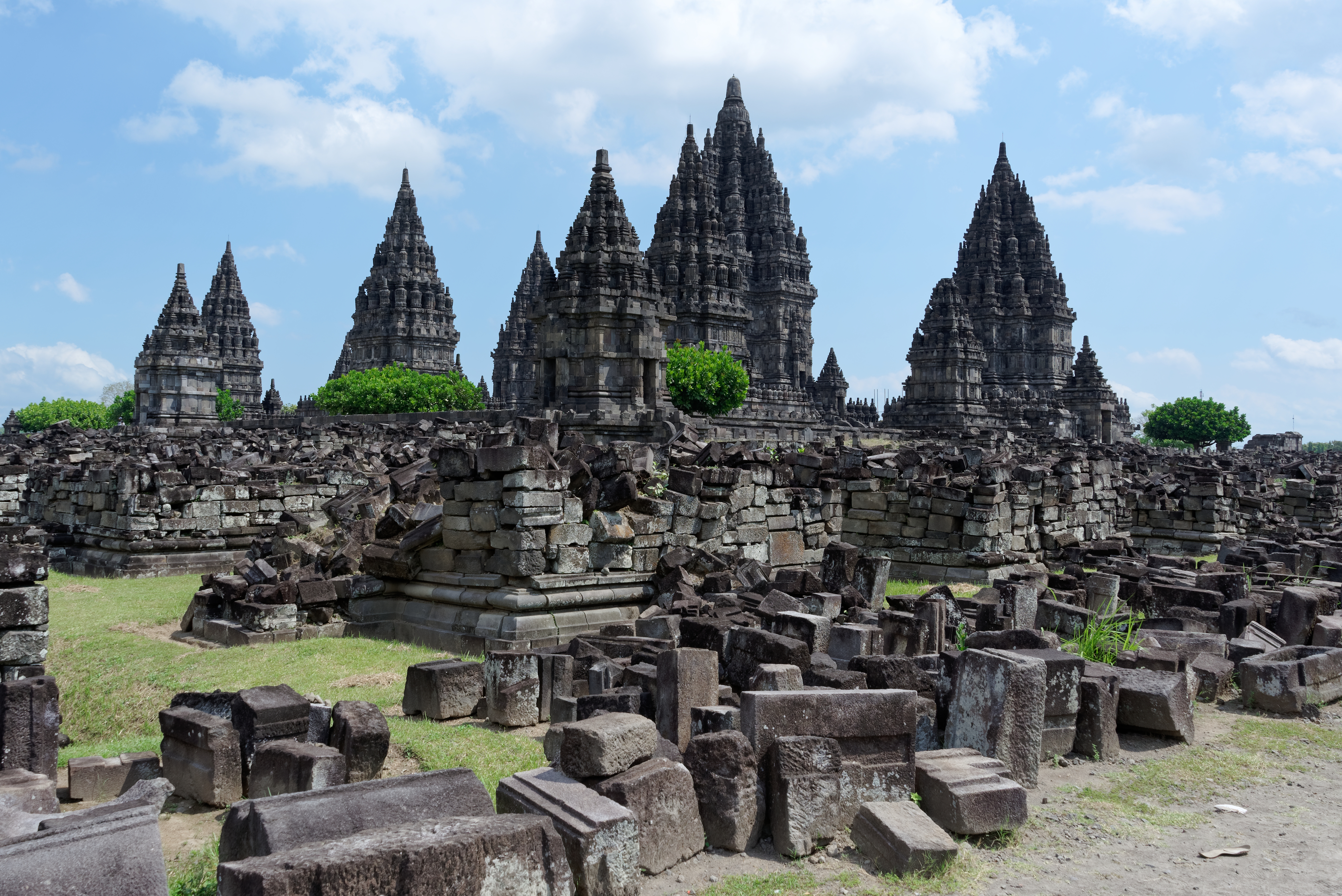
Prime Minister Narendra Modi and Indonesian President Prabowo Subianto visited the Prambanan Temple complex in Yogyakarta to launch a restoration project.
The visit underscores the civilisational links between India and Indonesia while advancing India's 'Act East' diplomatic agenda. By investing in the preservation of shared heritage, both nations aim to strengthen bilateral relations through cultural diplomacy.
During the visit on July 8, 2026 [2], the two leaders toured the UNESCO site and offered prayers. The Prambanan Temple is nearly 1,000 years old [1] and serves as a primary symbol of the historical connection between the two regions.
Modi and Subianto inaugurated an India-backed conservation project designed to preserve the structural integrity of the complex. This initiative focuses on the restoration of the temple's ancient architecture, ensuring the site remains a viable center for tourism and spiritual practice.
The collaboration highlights a strategic effort to utilize shared history as a bridge for modern political and economic cooperation. The joint project represents a tangible investment in the cultural landscape of Java, reflecting a mutual commitment to heritage preservation.
Officials said the initiative is part of a broader strategy to emphasize the shared roots of the two nations. The visit to the Yogyakarta site serves as a visual and symbolic representation of the enduring ties that bind the Indian subcontinent and the Indonesian archipelago.
“The Prambanan Temple is nearly 1,000 years old”
This diplomatic gesture leverages 'soft power' to solidify a strategic partnership in Southeast Asia. By funding the restoration of a landmark that symbolizes early Indian influence in Indonesia, New Delhi reinforces its historical legitimacy in the region, which helps counterbalance other geopolitical influences while strengthening economic and security ties with Jakarta.


