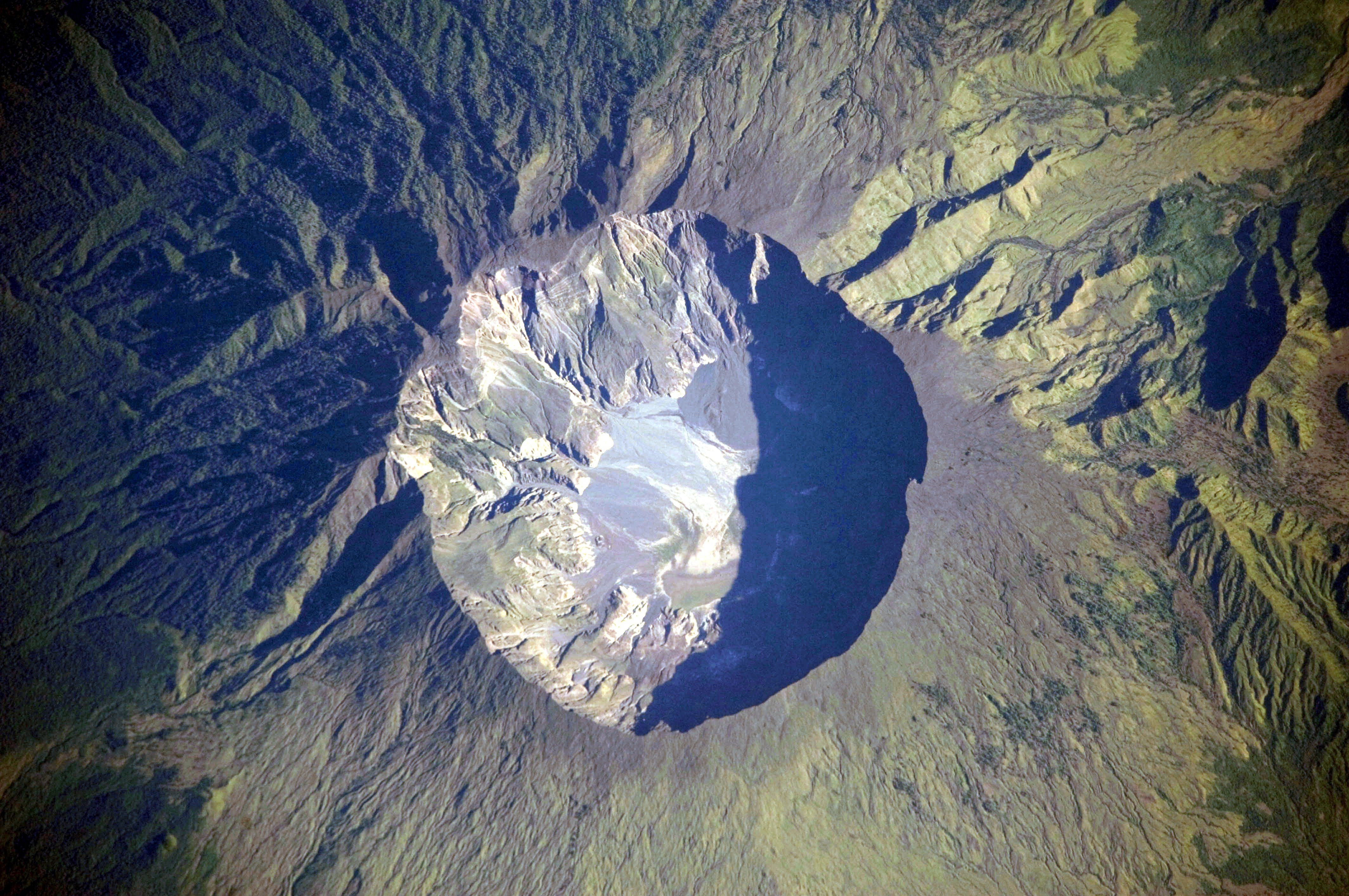
The eruption of Mount Tambora in Indonesia created a global climate anomaly in 1816 [1] known as the "Year Without a Summer."
This event demonstrates the profound impact a single volcanic eruption can have on global food security and weather patterns. The resulting temperature drop disrupted agriculture across two continents, illustrating the vulnerability of human civilization to sudden atmospheric changes.
The crisis began when Mount Tambora erupted in April 1815 [1]. The volcano released a massive plume of ash and sulfur dioxide into the atmosphere. These aerosols reflected sunlight away from the Earth, which lowered global temperatures [1, 2].
By the summer of 1816, the effects reached far beyond Indonesia. Large portions of Europe and North America experienced unseasonably cold weather [1, 2]. In regions including Britain, Ireland, and Germany, the climate remained frigid during months typically characterized by warmth [2].
North America faced similar disruptions. New England and Canada reported frost and snow during June and July 1816 [2]. These conditions were catastrophic for farmers, as the unexpected freezes destroyed crops and led to widespread shortages.
The atmospheric interference lasted for months, creating a persistent veil of volcanic debris that blocked solar radiation. This phenomenon turned the typical seasonal cycle upside down, forcing populations to endure winter-like conditions in the middle of the calendar year [1, 2].
“The eruption of Mount Tambora in Indonesia created a global climate anomaly in 1816.”
The 1816 anomaly serves as a historical case study in volcanic winter. It highlights how stratospheric aerosols can trigger rapid, systemic cooling, proving that geological events in one region can cause agricultural and economic collapse on a global scale.


