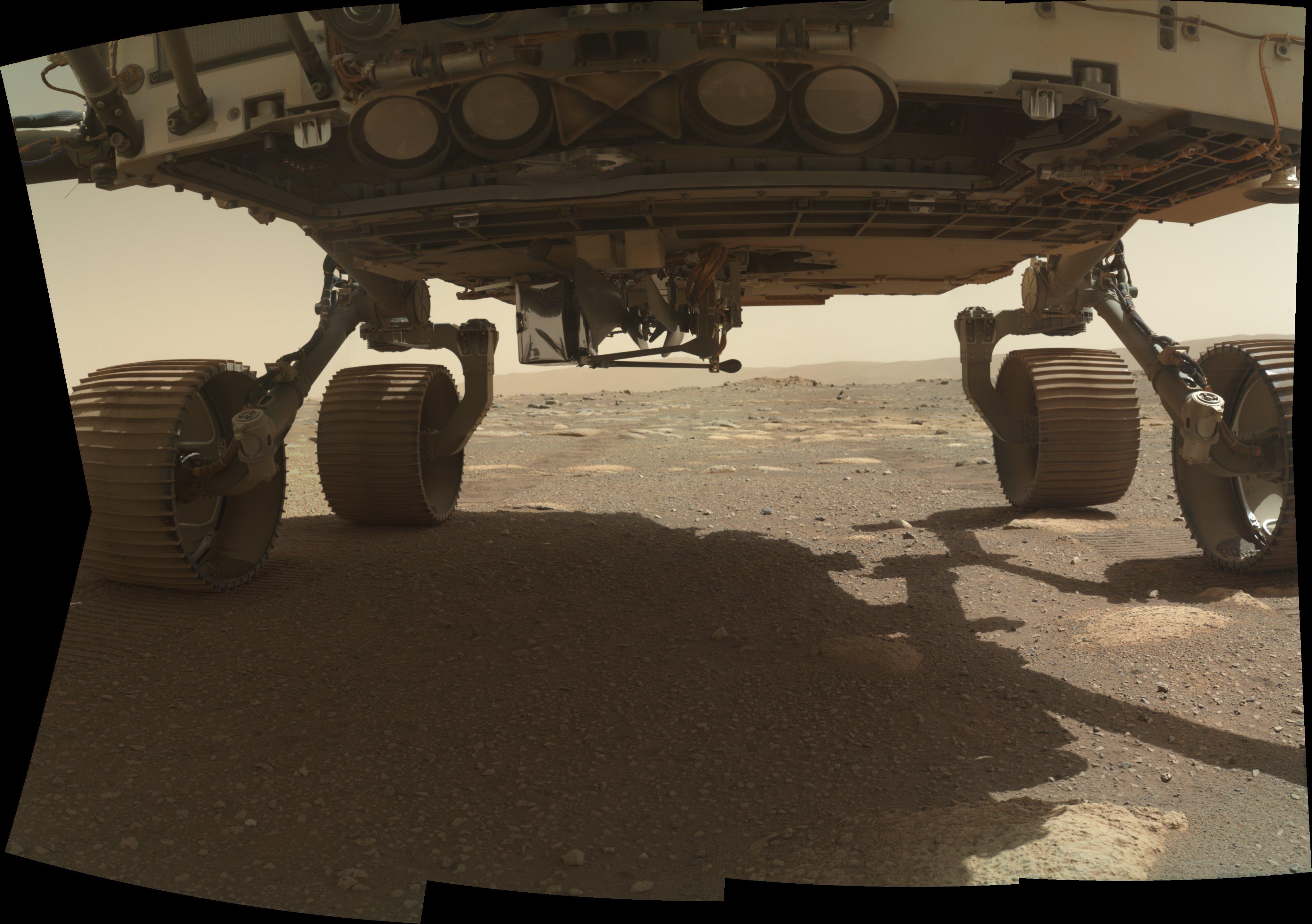
NASA's Perseverance rover has detected complex carbon signatures in Martian rocks that may indicate the presence of ancient microbial life.
These findings suggest that Mars once possessed the chemical building blocks necessary to support life, potentially altering the scientific understanding of the Red Planet's history.
The rover identified these molecules within mudstone deposits in the Jezero Crater [1]. Scientists estimate the rocks are approximately 3.5 billion years old [1]. Dr. Jennifer Eigen said Perseverance has identified complex carbon molecules that could be the remnants of ancient life [2].
While some researchers view the data as a breakthrough, others note that the findings are not definitive proof of past life [1]. Dr. John Grotzinger said these findings represent the most compelling evidence yet of ancient microbial life on Mars [1]. The team continues to analyze the samples to determine if the carbon originated from biological or non-biological processes [3].
Separate from the Mars mission, Boeing's Starliner program continues to struggle with technical reliability. The crew capsule has suffered further setbacks involving software and valve problems [5].
Rod Pyle said Starliner's next launch has been pushed back again due to valve issues that need further testing [5]. The launch, which was originally slated for 2024, is now pushed to early 2025 [5]. These delays occur at the Kennedy Space Center in Florida, where the capsule must undergo additional rigorous testing before it can safely transport a crew [5].
“These findings represent the most compelling evidence yet of ancient microbial life on Mars.”
The discovery of complex carbon molecules shifts the search for Martian life from identifying habitable environments to analyzing specific chemical biosignatures. Simultaneously, the repeated delays of the Starliner capsule highlight the high technical threshold for crewed flight, potentially extending the U.S. reliance on other transport systems for orbital missions.