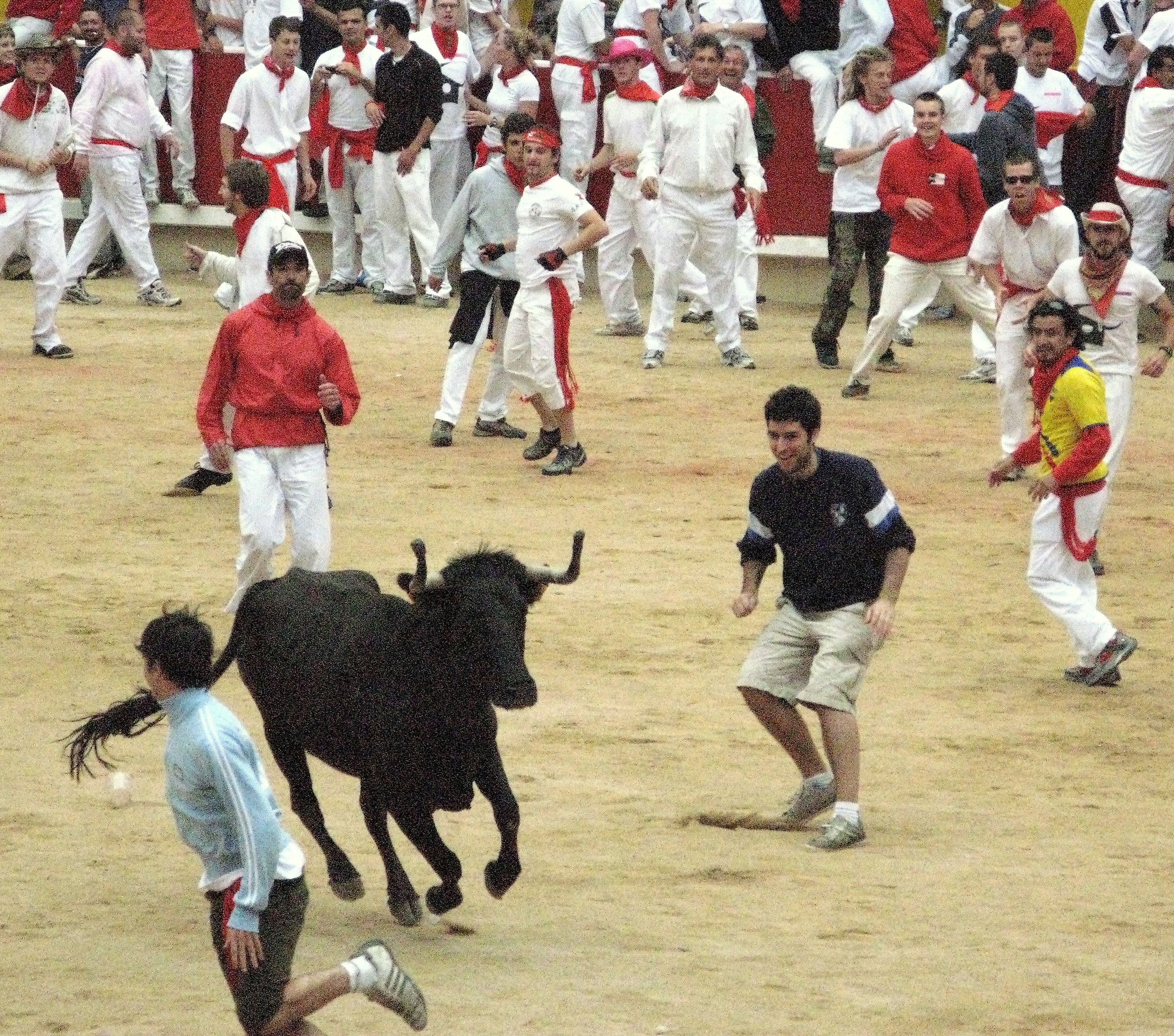
The Subdirección de Urgencias de Navarra launched the official Chupinazo rocket today to begin the Sanfermines 2026 celebrations [1].
This year's selection of emergency services representatives marks a symbolic shift in the festival's opening, highlighting the role of public health and safety during one of Spain's most crowded events.
Two representatives from the emergency service, Clint Jean Louis Fernández and a colleague, ignited the rocket from the balcony of the Ayuntamiento city hall at 12 p.m. [1, 3]. The event follows a tradition that has lasted for more than 100 years [1]. Mayor José Asiron Saez was present for the ceremony, which integrated the health-service sector into the traditional festivities.
The choice of the Subdirección de Urgencias de Navarra was not random. The entity was selected by the citizens of Pamplona to lead the opening of the festival [2, 4]. The announcement of the winning entity was made June 17, 2026 [3].
Mayor Asiron Saez described the choice as a way to frame the festivities through a specific lens. "The entity chosen by the citizens of Pamplona to launch the chupinazo of the Sanfermines of this year 2026 is the Subdirección de Urgencias de Navarra," Asiron Saez said [2].
By selecting emergency responders, the city aimed to emphasize the necessity of vigilance during the celebrations. Asiron Saez said the goal was to present "the party from care, attention, and control" [2].
The Chupinazo serves as the definitive signal for the start of the Sanfermines, a festival known globally for its running of the bulls. The presence of medical personnel on the city hall balcony underscores the logistical challenges of managing public safety in a city center packed with thousands of visitors.
“The party from care, attention, and control.”
The selection of emergency services to launch the Chupinazo reflects a growing trend of using traditional civic rituals to acknowledge essential public infrastructure. By centering health-care workers in the opening ceremony, Pamplona city officials are signaling a priority for public safety and medical readiness during a high-risk event, potentially shifting the public's perception of the festival from pure revelry toward a more managed, safety-conscious celebration.

'%2F%3E%0A%20%20%20%20%3Crect%20width%3D'1600'%20height%3D'900'%20fill%3D'url(%23v)'%2F%3E%0A%20%20%20%20%3Cg%20opacity%3D'0.08'%20fill%3D'%23ffffff'%3E%0A%20%20%20%20%20%20%3Ccircle%20cx%3D'1420'%20cy%3D'180'%20r%3D'220'%2F%3E%0A%20%20%20%20%20%20%3Ccircle%20cx%3D'1500'%20cy%3D'760'%20r%3D'120'%2F%3E%0A%20%20%20%20%3C%2Fg%3E%0A%20%20%20%20%3Cline%20x1%3D'80'%20y1%3D'172'%20x2%3D'220'%20y2%3D'172'%20stroke%3D'%23ffffff'%20stroke-width%3D'3'%20stroke-opacity%3D'0.6'%2F%3E%0A%20%20%20%20%3Ctext%20x%3D'80'%20y%3D'140'%20font-family%3D'Inter%2C%20-apple-system%2C%20Helvetica%2C%20sans-serif'%20font-weight%3D'700'%20font-size%3D'28'%20fill%3D'%23ffffff'%20letter-spacing%3D'6'%3EHANNA%20%C2%B7%20NEWS%3C%2Ftext%3E%0A%20%20%20%20%3Ctext%20x%3D'80'%20y%3D'230'%20font-family%3D'Inter%2C%20-apple-system%2C%20Helvetica%2C%20sans-serif'%20font-weight%3D'600'%20font-size%3D'40'%20fill%3D'%23ffffffb3'%20letter-spacing%3D'4'%3EWORLD%3C%2Ftext%3E%0A%20%20%20%20%3Ctext%20x%3D'80'%20y%3D'622'%20font-family%3D'Playfair%20Display%2C%20Georgia%2C%20serif'%20font-weight%3D'800'%20font-size%3D'86'%20fill%3D'%23ffffff'%20letter-spacing%3D'-1'%3EBrazilian%20Telenovela%3C%2Ftext%3E%3Ctext%20x%3D'80'%20y%3D'721'%20font-family%3D'Playfair%20Display%2C%20Georgia%2C%20serif'%20font-weight%3D'800'%20font-size%3D'86'%20fill%3D'%23ffffff'%20letter-spacing%3D'-1'%3EHighlights%20Fibromyalgia%3C%2Ftext%3E%3Ctext%20x%3D'80'%20y%3D'820'%20font-family%3D'Playfair%20Display%2C%20Georgia%2C%20serif'%20font-weight%3D'800'%20font-size%3D'86'%20fill%3D'%23ffffff'%20letter-spacing%3D'-1'%3EDiagnosis%20Challenges%3C%2Ftext%3E%0A%20%20%20%20%3Ctext%20x%3D'80'%20y%3D'870'%20font-family%3D'Inter%2C%20-apple-system%2C%20Helvetica%2C%20sans-serif'%20font-weight%3D'500'%20font-size%3D'22'%20fill%3D'%23ffffff66'%20letter-spacing%3D'2'%3Enews.hanna-ai.com%3C%2Ftext%3E%0A%20%20%3C%2Fsvg%3E)
