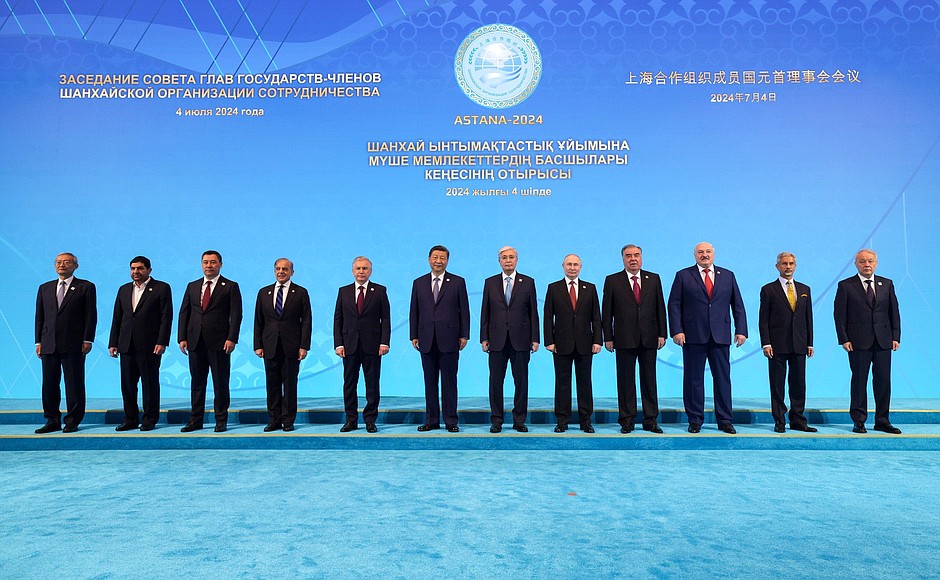
Prime Minister Shehbaz Sharif announced a reduction of Rs74 per litre in petrol and Rs67 per litre in diesel prices [1].
This move aims to provide immediate financial relief to Pakistani citizens by lowering the cost of transportation and energy. The decision comes as the government attempts to stabilize the domestic economy amid fluctuating global market conditions.
Sharif said the price reductions were possible due to a drop in global oil prices [1]. He said this market shift was due to a peace deal reached between the U.S. and Iran [1]. The agreement is intended to reduce geopolitical tensions in the Middle East, which traditionally impact the cost of crude oil.
The specific cuts include a decrease of Rs74 per litre for petrol [1]. Additionally, diesel prices will be reduced by Rs67 per litre [1]. These adjustments reflect the government's strategy to pass global price decreases directly to the consumer.
While the Pakistani government views the U.S.-Iran pact as a catalyst for lower prices, other international perspectives vary. Some reports suggest that while the pact may end conflict, economic uncertainty could still cause gas prices to fluctuate or even soar [2].
Despite these conflicting global projections, the administration in Pakistan is moving forward with the cuts to mitigate inflation. The government has not yet detailed if further adjustments will follow in the coming weeks.
“Prime Minister Shehbaz Sharif announced a reduction of Rs74 per litre in petrol.”
The decision to cut fuel prices in Pakistan highlights the country's vulnerability to geopolitical shifts in the Middle East. By linking domestic pricing to the U.S.-Iran peace deal, the administration is leveraging international diplomacy to manage internal inflation, though contradictory global economic forecasts suggest that long-term price stability remains uncertain.


