
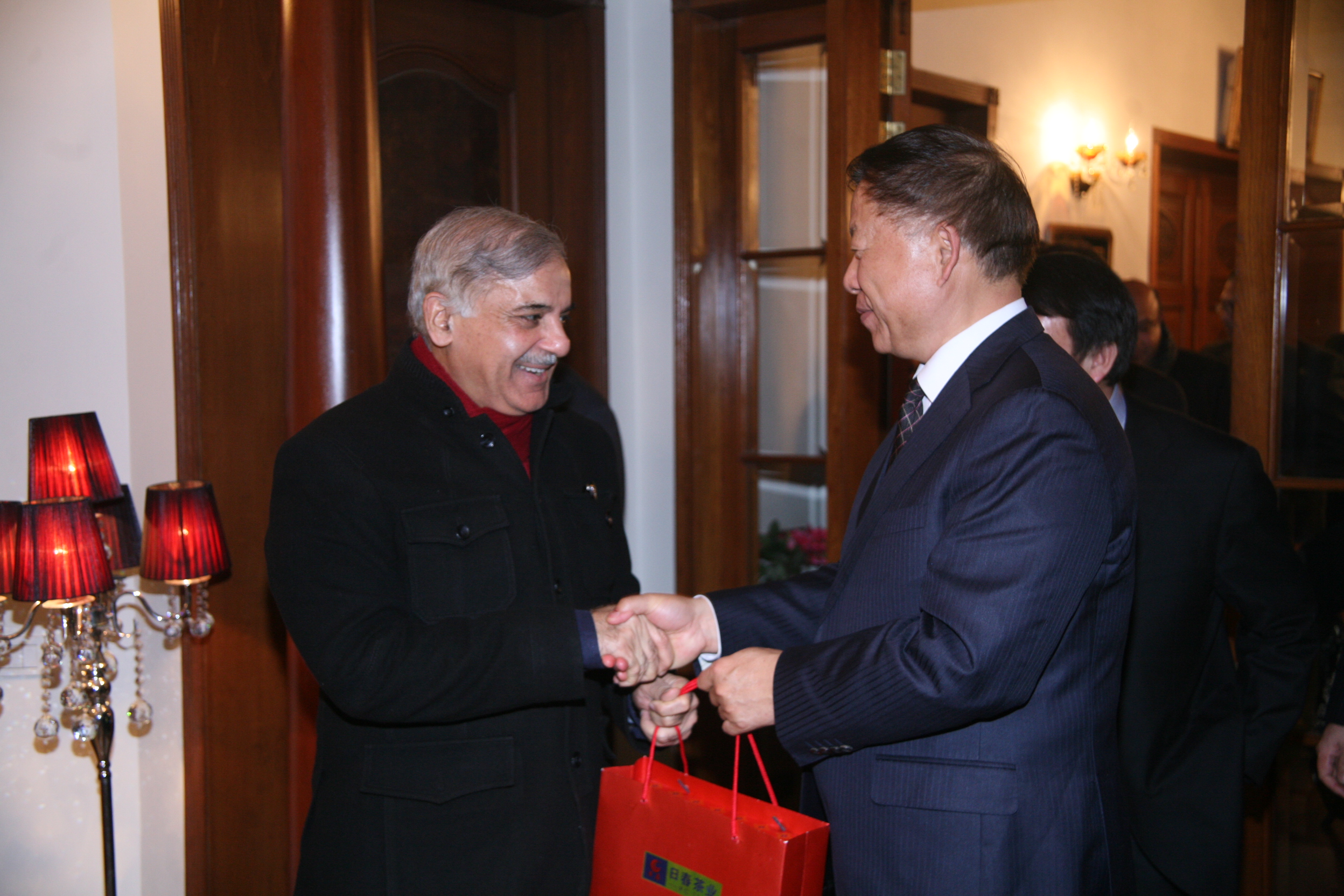
Pakistan Prime Minister Shehbaz Sharif begins a high-level visit to Beijing on May 23 [1] to meet with President Xi Jinping.
The visit comes as Islamabad seeks to stabilize its economy and navigate volatile regional dynamics, specifically the ongoing tensions involving the U.S. and Iran.
Sharif is scheduled to remain in China for three to four days [2, 3]. The meetings will focus on strengthening economic, political, and strategic cooperation between the two nations [4]. A primary agenda item is the China-Pakistan Economic Corridor, a massive infrastructure project that both nations seek to expand [5].
"Pakistan-China friendship is time-tested and unbreakable," Sharif said [6].
Beyond bilateral trade, the discussions will address regional peace efforts. Sharif said the talks will cover bilateral ties and regional peace efforts amid ongoing Middle East tensions [7]. Some reports indicate the visit may be used to push for renewed urgency in U.S.-Iran negotiations [3].
The timing of the visit coincides with the celebration of 75 years of diplomatic relations between the two countries [6]. This long-term partnership serves as the foundation for the current push to upgrade the economic corridor [5].
"We are ready to upgrade the China-Pakistan Economic Corridor," a Chinese spokesperson said [5].
The meetings in Beijing are expected to result in new agreements regarding strategic cooperation, and regional security. Sharif's engagement with President Xi is viewed as a critical step in securing continued Chinese investment in Pakistan's infrastructure and energy sectors [4].
“"Pakistan-China friendship is time-tested and unbreakable."”
This visit signals Pakistan's continued reliance on China as its primary strategic and economic partner. By aligning with Beijing on the China-Pakistan Economic Corridor and regional diplomacy, Islamabad is attempting to hedge its security risks and secure financial lifelines while positioning itself as a mediator in the volatile U.S.-Iran relationship.

'%2F%3E%0A%20%20%20%20%3Crect%20width%3D'1600'%20height%3D'900'%20fill%3D'url(%23v)'%2F%3E%0A%20%20%20%20%3Cg%20opacity%3D'0.08'%20fill%3D'%23ffffff'%3E%0A%20%20%20%20%20%20%3Ccircle%20cx%3D'1420'%20cy%3D'180'%20r%3D'220'%2F%3E%0A%20%20%20%20%20%20%3Ccircle%20cx%3D'1500'%20cy%3D'760'%20r%3D'120'%2F%3E%0A%20%20%20%20%3C%2Fg%3E%0A%20%20%20%20%3Cline%20x1%3D'80'%20y1%3D'172'%20x2%3D'220'%20y2%3D'172'%20stroke%3D'%23ffffff'%20stroke-width%3D'3'%20stroke-opacity%3D'0.6'%2F%3E%0A%20%20%20%20%3Ctext%20x%3D'80'%20y%3D'140'%20font-family%3D'Inter%2C%20-apple-system%2C%20Helvetica%2C%20sans-serif'%20font-weight%3D'700'%20font-size%3D'28'%20fill%3D'%23ffffff'%20letter-spacing%3D'6'%3EHANNA%20%C2%B7%20NEWS%3C%2Ftext%3E%0A%20%20%20%20%3Ctext%20x%3D'80'%20y%3D'230'%20font-family%3D'Inter%2C%20-apple-system%2C%20Helvetica%2C%20sans-serif'%20font-weight%3D'600'%20font-size%3D'40'%20fill%3D'%23ffffffb3'%20letter-spacing%3D'4'%3EWORLD%3C%2Ftext%3E%0A%20%20%20%20%3Ctext%20x%3D'80'%20y%3D'694'%20font-family%3D'Playfair%20Display%2C%20Georgia%2C%20serif'%20font-weight%3D'800'%20font-size%3D'110'%20fill%3D'%23ffffff'%20letter-spacing%3D'-1'%3ESiemens%20%C3%89nergie%20Locks%20Out%3C%2Ftext%3E%3Ctext%20x%3D'80'%20y%3D'820'%20font-family%3D'Playfair%20Display%2C%20Georgia%2C%20serif'%20font-weight%3D'800'%20font-size%3D'110'%20fill%3D'%23ffffff'%20letter-spacing%3D'-1'%3EWorkers%20in%20Quebec%3C%2Ftext%3E%0A%20%20%20%20%3Ctext%20x%3D'80'%20y%3D'870'%20font-family%3D'Inter%2C%20-apple-system%2C%20Helvetica%2C%20sans-serif'%20font-weight%3D'500'%20font-size%3D'22'%20fill%3D'%23ffffff66'%20letter-spacing%3D'2'%3Enews.hanna-ai.com%3C%2Ftext%3E%0A%20%20%3C%2Fsvg%3E)

