
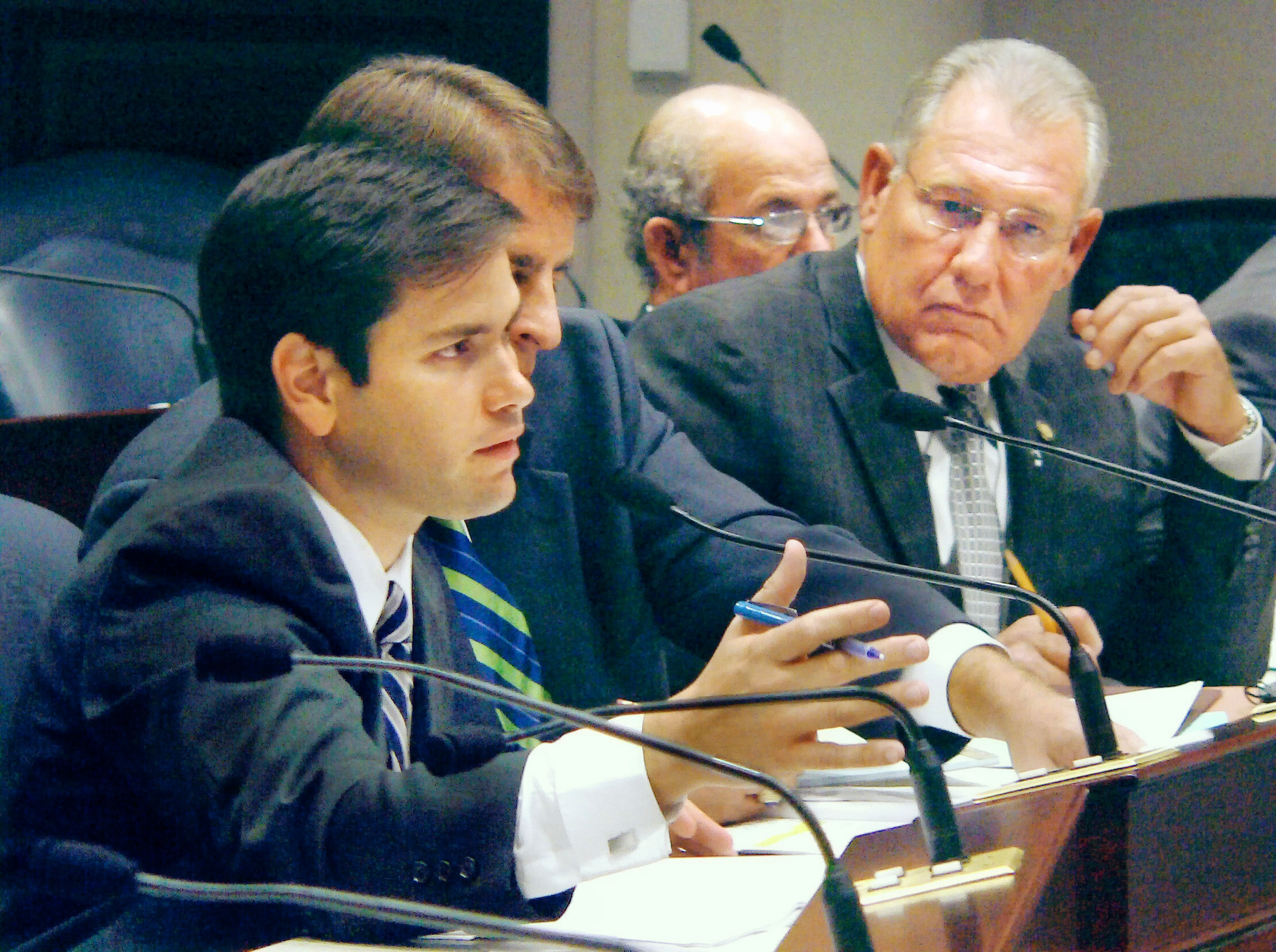
Former Florida Attorney General Pam Bondi testified behind closed doors before the House Oversight Committee on May 29, 2026 [3].
The testimony comes as lawmakers investigate whether the Justice Department intentionally obscured information or committed negligence when releasing unclassified records related to Jeffrey Epstein and Ghislaine Maxwell.
Bondi said that redaction errors occurred within the released files [2]. During the interview, she defended former Department of Justice official Todd Blanche, while simultaneously placing responsibility for the mishandling of the records on Blanche and another DOJ official named Patel [1].
The scrutiny follows the implementation of the Epstein Files Transparency Act, which President Trump signed into law on Nov. 19, 2025 [1]. This legislation mandated the public release of records to ensure accountability, and transparency regarding the sex-trafficking network.
Lawmakers are now re-examining the DOJ's processes to determine if the errors were systemic or targeted. The committee is specifically looking for evidence of cover-ups that may have protected high-profile individuals mentioned in the documents [2].
Bondi's appearance before the committee follows a period of professional transition; she was fired as Florida Attorney General in April 2026 [2]. Her testimony provides a rare look into the internal coordination between the DOJ and state-level officials during the record-release process.
Because the session was closed-door, the full transcript has not been made public, but committee members said that the focus remains on the chain of command regarding the redactions [1]. The investigation seeks to clarify why specific names and dates were omitted from the files despite the legal requirements of the transparency act [2].
“Bondi acknowledged that redaction errors occurred within the released files.”
The admission of redaction errors by a high-ranking former official suggests that the public record of the Epstein case remains incomplete. By attributing these failures to specific DOJ officials, the investigation shifts from a general critique of bureaucracy to a potential inquiry into individual misconduct or intentional suppression of evidence.


