
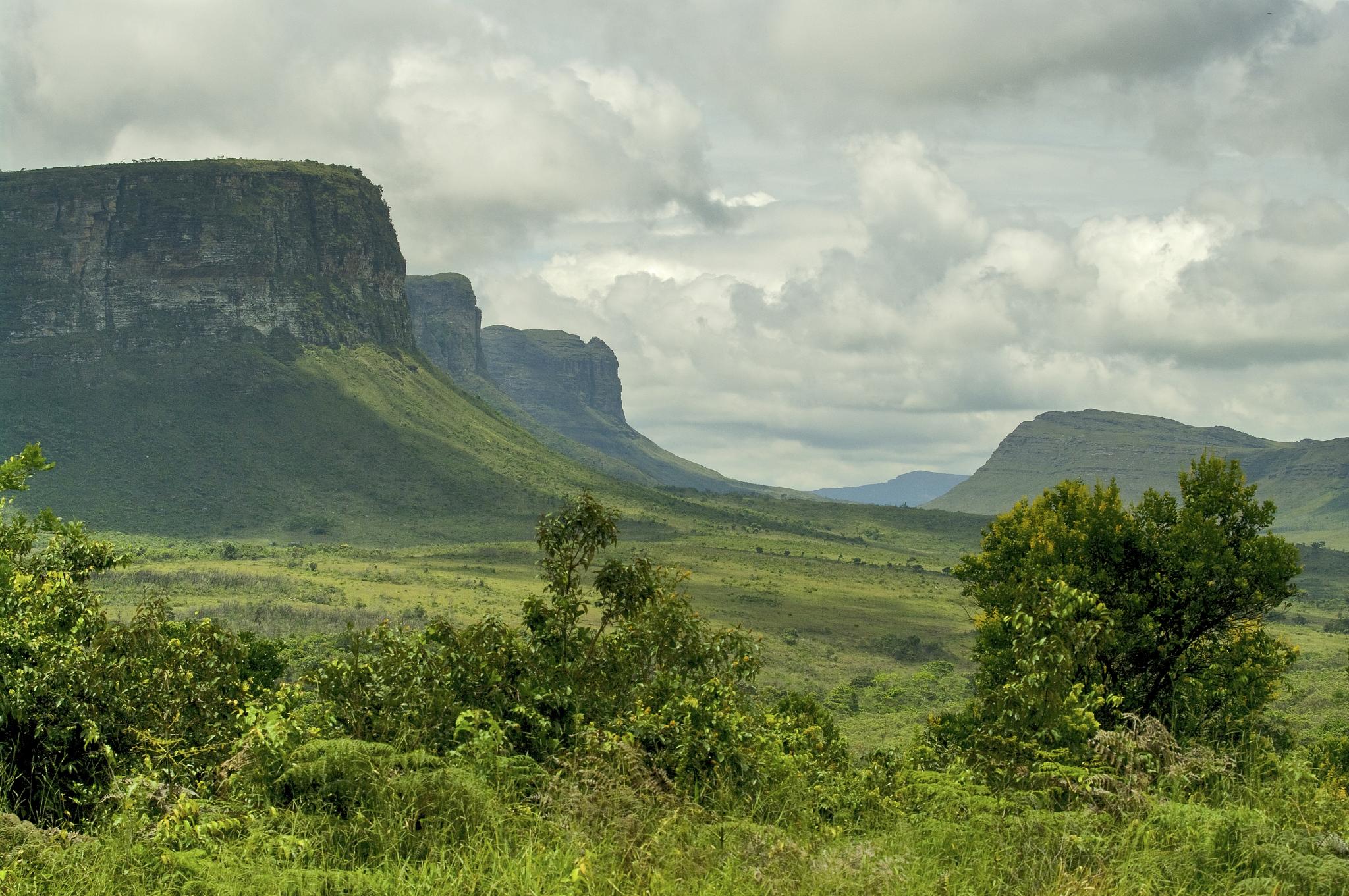
Piatã, a municipality in Bahia's Chapada Diamantina region, is experiencing low winter temperatures due to its high elevation and regional climate [1, 2].
These conditions make Piatã one of the coldest locations in Brazil's Northeast region. The unique climate creates a tourism draw for visitors seeking cooler weather in a typically tropical area.
A meteorologist said that the town's altitude is a primary factor in these temperature drops. The municipality sits at an elevation of more than 1,200 meters [1, 2]. This height, combined with specific regional atmospheric conditions, allows the area to maintain significantly lower temperatures than the surrounding lowlands.
Recent readings in the area have shown temperatures near 12°C [1]. While these figures are low for the region, they are far from the historical extreme for the municipality. The lowest temperature ever recorded in Piatã was 1.2°C, a mark set during August in the 1980s [2].
The intersection of geography and seasonal timing, specifically the arrival of the southern hemisphere's winter in June, amplifies the cooling effect. The high plateau of the Chapada Diamantina acts as a natural thermal regulator, trapping cooler air and sustaining the low temperatures that define the town's winter identity [1, 2].
Local authorities and businesses continue to see an influx of tourists who travel to the municipality to experience this rare climate. The contrast between the coastal warmth of Bahia and the mountain chill of Piatã remains a significant regional anomaly.
“Piatã sits at an elevation of more than 1,200 meters”
The climate of Piatã demonstrates how localized topography can override broad regional weather patterns. By maintaining temperatures significantly lower than the Northeast average, the town creates a microclimate that supports a specific tourism economy and provides a rare high-altitude environment within a predominantly tropical zone.


