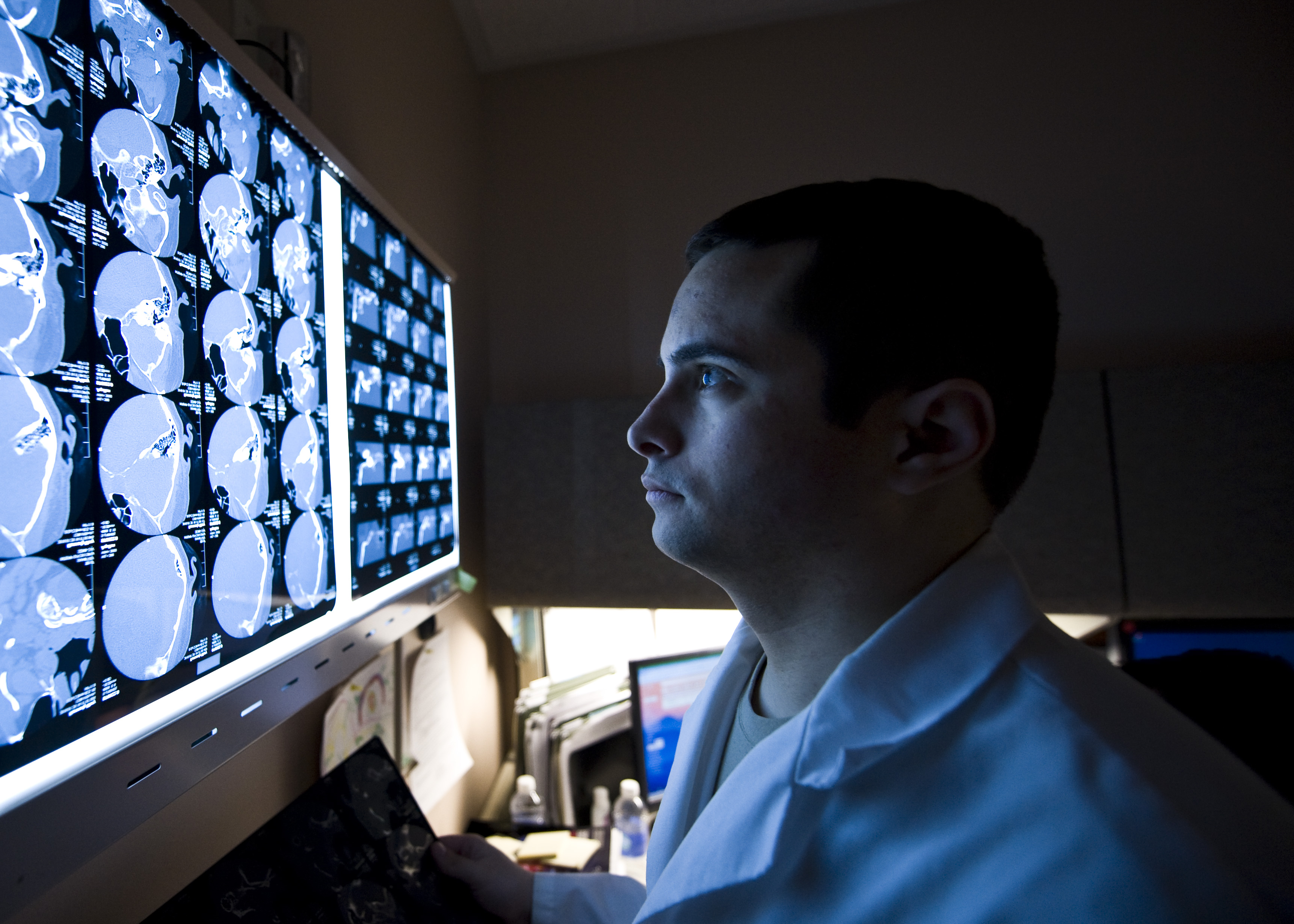
The human brain can modulate the perception of pain by activating internal mechanisms even when a treatment contains no active analgesic ingredient [1].
This discovery is significant because it demonstrates that the mind's expectation of healing is not merely a psychological trick but a biological process. By understanding how the brain suppresses pain without medication, researchers can better identify how to treat chronic conditions and reduce reliance on synthetic drugs.
According to the research, the placebo effect occurs because expectations trigger endogenous brain pathways [1]. These pathways include the opioid and dopamine systems, which work together to reduce the subjective experience of pain [1]. When a patient believes they are receiving a treatment, the brain releases these natural chemicals to dampen pain signals.
This process shows that the brain possesses an inherent ability to manage physical distress based on environmental cues and belief systems [1]. The activation of these systems suggests that the perception of pain is flexible and can be influenced by the context of care.
Scientists said that the placebo effect does not imply that the pain is imaginary. Instead, it confirms that the brain produces a genuine physiological response to the anticipation of relief [1]. This internal modulation allows the body to mimic the effects of actual medication through its own chemical messengers.
“The placebo effect can modulate the perception of pain by activating brain mechanisms.”
The ability of the brain to trigger its own opioid and dopamine systems via the placebo effect suggests that the psychological context of medical treatment is as critical as the pharmacological intervention. This highlights a potential shift toward integrated therapies that combine behavioral expectations with clinical medicine to maximize pain management efficacy.


'%2F%3E%0A%20%20%20%20%3Crect%20width%3D'1600'%20height%3D'900'%20fill%3D'url(%23v)'%2F%3E%0A%20%20%20%20%3Cg%20opacity%3D'0.08'%20fill%3D'%23ffffff'%3E%0A%20%20%20%20%20%20%3Ccircle%20cx%3D'1420'%20cy%3D'180'%20r%3D'220'%2F%3E%0A%20%20%20%20%20%20%3Ccircle%20cx%3D'1500'%20cy%3D'760'%20r%3D'120'%2F%3E%0A%20%20%20%20%3C%2Fg%3E%0A%20%20%20%20%3Cline%20x1%3D'80'%20y1%3D'172'%20x2%3D'220'%20y2%3D'172'%20stroke%3D'%23ffffff'%20stroke-width%3D'3'%20stroke-opacity%3D'0.6'%2F%3E%0A%20%20%20%20%3Ctext%20x%3D'80'%20y%3D'140'%20font-family%3D'Inter%2C%20-apple-system%2C%20Helvetica%2C%20sans-serif'%20font-weight%3D'700'%20font-size%3D'28'%20fill%3D'%23ffffff'%20letter-spacing%3D'6'%3EHANNA%20%C2%B7%20NEWS%3C%2Ftext%3E%0A%20%20%20%20%3Ctext%20x%3D'80'%20y%3D'230'%20font-family%3D'Inter%2C%20-apple-system%2C%20Helvetica%2C%20sans-serif'%20font-weight%3D'600'%20font-size%3D'40'%20fill%3D'%23ffffffb3'%20letter-spacing%3D'4'%3EWORLD%3C%2Ftext%3E%0A%20%20%20%20%3Ctext%20x%3D'80'%20y%3D'622'%20font-family%3D'Playfair%20Display%2C%20Georgia%2C%20serif'%20font-weight%3D'800'%20font-size%3D'86'%20fill%3D'%23ffffff'%20letter-spacing%3D'-1'%3EIran%20Holds%20State%20Funeral%20for%3C%2Ftext%3E%3Ctext%20x%3D'80'%20y%3D'721'%20font-family%3D'Playfair%20Display%2C%20Georgia%2C%20serif'%20font-weight%3D'800'%20font-size%3D'86'%20fill%3D'%23ffffff'%20letter-spacing%3D'-1'%3EFormer%20Supreme%20Leader%20Ali%3C%2Ftext%3E%3Ctext%20x%3D'80'%20y%3D'820'%20font-family%3D'Playfair%20Display%2C%20Georgia%2C%20serif'%20font-weight%3D'800'%20font-size%3D'86'%20fill%3D'%23ffffff'%20letter-spacing%3D'-1'%3EKhamenei%3C%2Ftext%3E%0A%20%20%20%20%3Ctext%20x%3D'80'%20y%3D'870'%20font-family%3D'Inter%2C%20-apple-system%2C%20Helvetica%2C%20sans-serif'%20font-weight%3D'500'%20font-size%3D'22'%20fill%3D'%23ffffff66'%20letter-spacing%3D'2'%3Enews.hanna-ai.com%3C%2Ftext%3E%0A%20%20%3C%2Fsvg%3E)