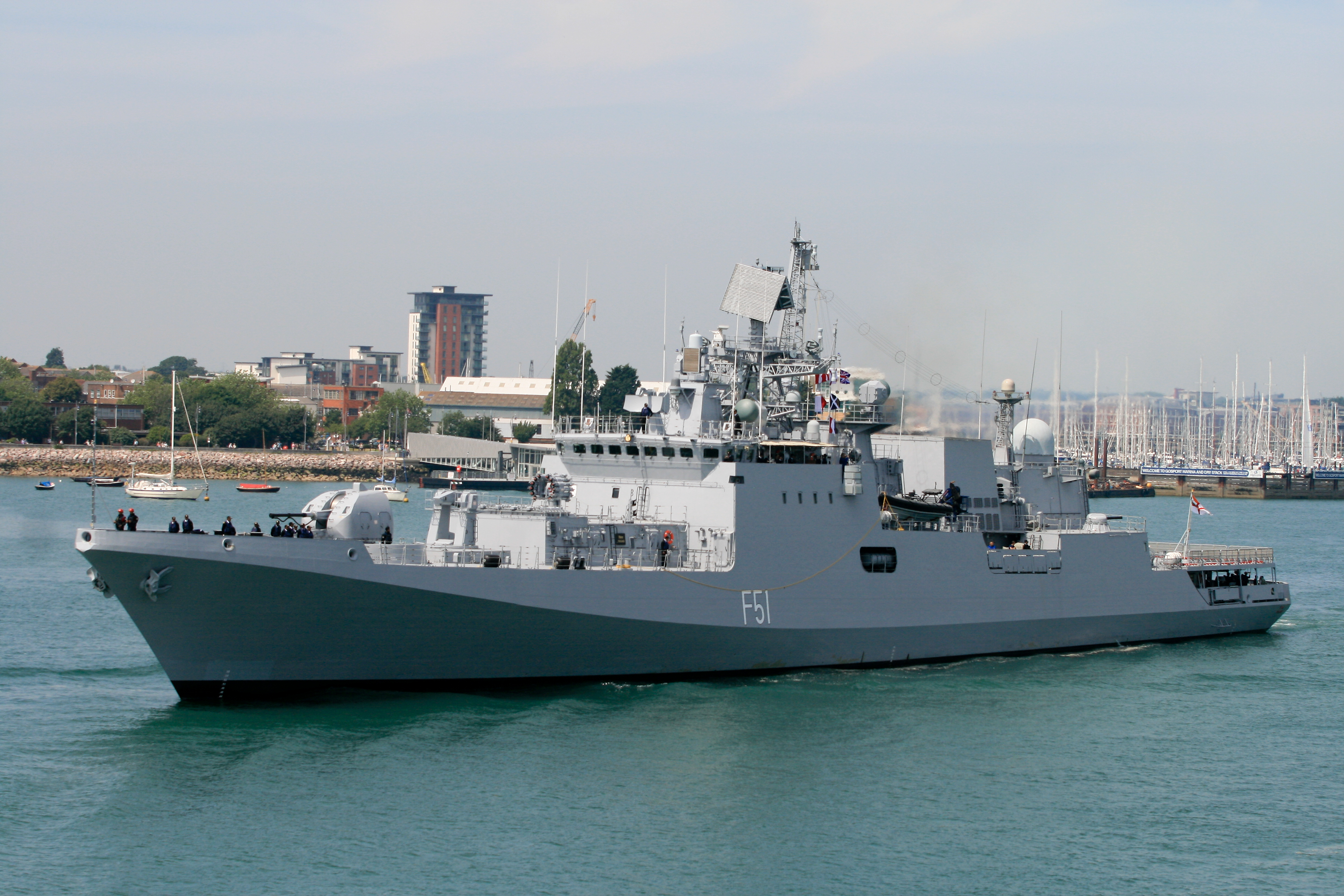
Prime Minister Narendra Modi commissioned three indigenously built naval vessels in Kolkata on June 21, 2026 [1], [2].
The addition of these ships marks a strategic shift toward defense self-reliance, reducing India's dependence on foreign military hardware while expanding its operational reach in the Indian Ocean region.
The ceremony saw the formal induction of INS Dunagiri, INS Sanshodhak, and INS Agray [1], [3]. These three [1] vessels were constructed within India as part of a broader initiative to strengthen the nation's maritime infrastructure, and security framework [1], [2].
During the event, the Prime Minister emphasized the shift from importing technology to developing home-grown solutions. "India aspires to be a creator," Modi said [1].
The commissioning of these ships in West Bengal highlights the role of regional shipbuilding hubs in supporting national security goals. By integrating these assets into the fleet, the Indian Navy increases its capacity for surveillance, research, and coastal defense — a necessity as regional maritime tensions persist [1], [2].
The move aligns with the government's long-term objective to transform the country into a global manufacturing hub for defense equipment [1]. The ships are expected to provide the Navy with enhanced versatility in managing diverse maritime challenges [2].
Modi said the development of such vessels is a testament to the skill and innovation of the Indian workforce [1]. The event serves as a signal to both domestic industries and international partners regarding India's evolving capabilities in naval engineering [1], [3].
“India aspires to be a creator.”
The commissioning of the INS Dunagiri, INS Sanshodhak, and INS Agray reflects India's 'Atmanirbhar Bharat' (Self-Reliant India) policy applied to the maritime domain. By shifting from a buyer's navy to a builder's navy, India aims to secure its supply chains and ensure that its strategic assets are not subject to foreign political conditions or technical limitations during times of conflict.


