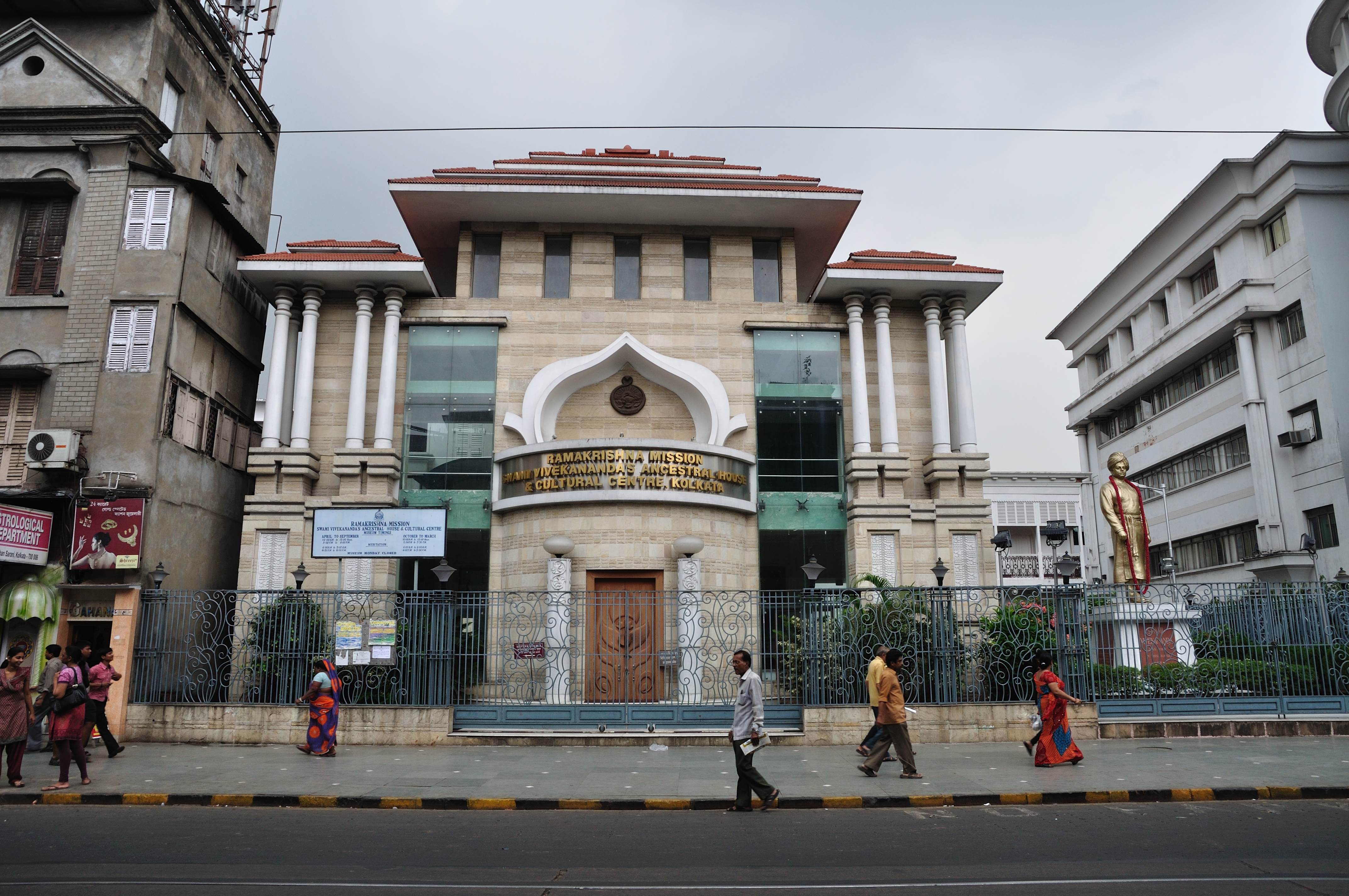
Prime Minister Narendra Modi said India is moving toward a discrimination-free education system that prioritizes learning in a student's mother tongue [1].
This shift reflects a broader effort to modernize national infrastructure and ensure that educational opportunities are accessible to all citizens regardless of their background. By removing linguistic and social barriers, the government aims to make the classroom an inclusive space for every student [2].
Speaking at a public gathering in Mysuru, Karnataka, Modi said these reforms are linked to the philosophical legacy of Swami Vivekananda [1]. He said that Vivekananda considered equality just as crucial as education for the nation's upliftment [3]. This alignment seeks to merge traditional Indian values with contemporary pedagogical needs to foster a more equitable society.
The Prime Minister said that providing equal opportunities for every citizen is a central pillar of the current administration's goals [2]. He said that the government is modernizing education infrastructure to support this inclusive vision [2].
Modi said the push for mother-tongue instruction is a key component of the national strategy [1]. He said, "No discrimination in education, mother tongue learning is India's vision" [1]. This approach is designed to align with the National Education Policy, focusing on reducing the gap between different socio-economic strata through linguistic accessibility [1].
The administration's focus on infrastructure modernization is intended to ensure that the physical and digital tools of learning are distributed fairly across the country [3]. By integrating the ideas of equality and education, the government intends to create a system where academic success is not dictated by a student's primary language or social standing [2].
“No discrimination in education, mother tongue learning is India's vision”
The emphasis on mother-tongue instruction represents a strategic pivot away from the historical dominance of English in Indian elite education. By anchoring these reforms in the legacy of Swami Vivekananda and the National Education Policy, the government is attempting to legitimize a shift toward vernacular education as a tool for social democratization and national identity.