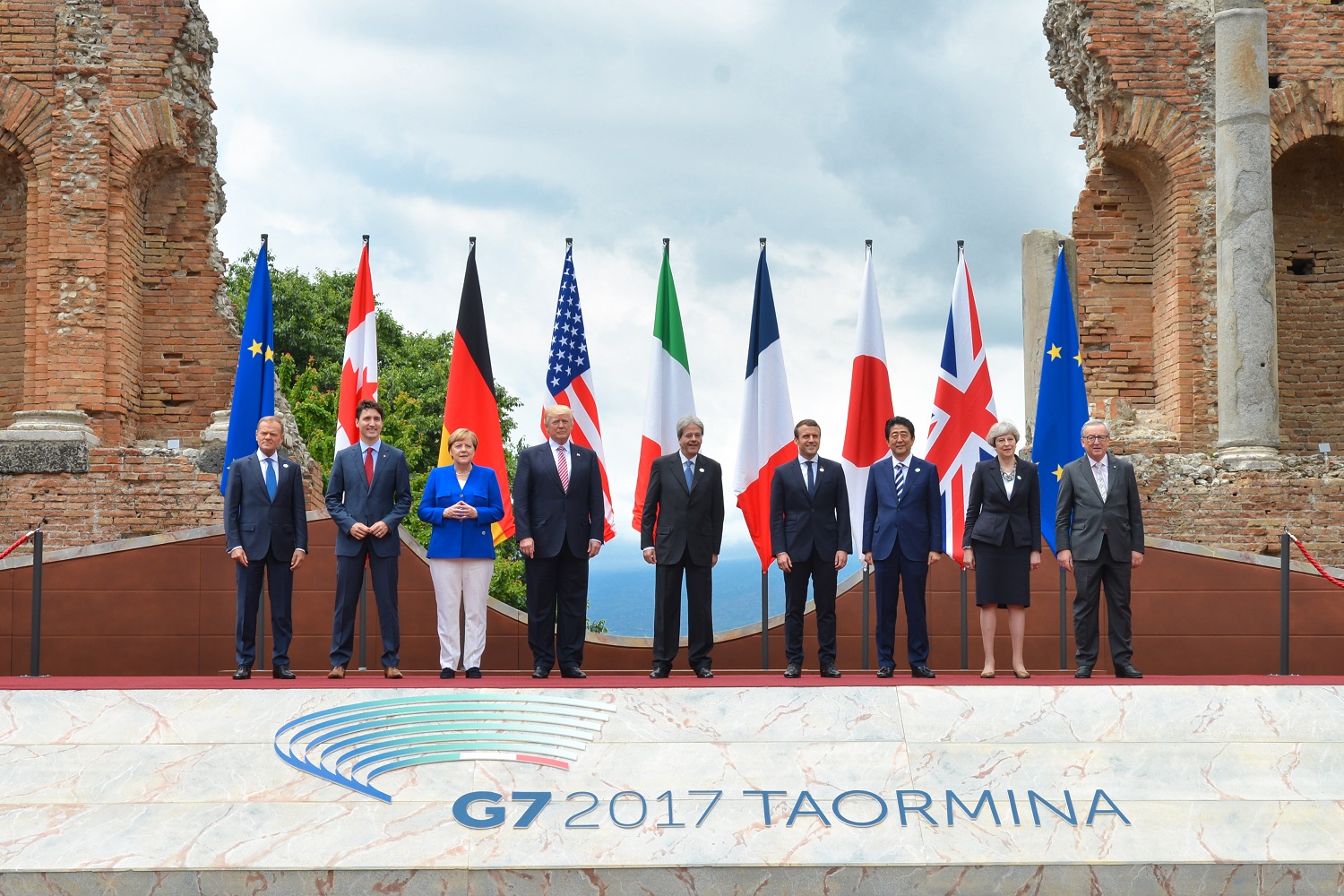
Prime Minister Narendra Modi arrived in Evian, France, on Tuesday to attend the G7 Summit as a special partner nation [1].
His presence at the summit underscores India's growing influence as a bridge between the world's wealthiest democracies and the developing nations of the Global South. By engaging with G7 leaders, India seeks to ensure that the concerns of emerging economies are integrated into global policy decisions.
Modi is scheduled to hold discussions on several pressing global challenges, including the energy crisis, an economic downturn, and the impact of artificial intelligence [2]. Climate change is also on the agenda as the summit seeks coordinated responses to environmental degradation [3].
This visit marks a significant streak of diplomatic engagement for the Indian leader. According to some reports, this is Modi's seventh consecutive appearance at the G7 [1]. Other records indicate that India has participated in the summit for eight consecutive years [2]. Overall, this event represents India's 13th participation as a guest nation [1].
During the summit, Modi intends to represent the interests of the Global South, focusing on equitable access to resources, and sustainable development. He is also expected to meet with other world leaders to strengthen bilateral ties, including a scheduled meeting with Donald Trump tomorrow [1].
The discussions in Evian will focus heavily on the global energy crisis and the transition to green energy. India's role as a special partner allows it to influence the G7's approach to energy security and economic stability without being a formal member of the group [2, 3].
“India attends as a special partner nation to discuss the global energy crisis and interests of the Global South.”
India's consistent invitation to the G7 as a special partner reflects a strategic shift by Western powers to integrate New Delhi into the global security and economic architecture. By positioning itself as the voice of the Global South, India leverages its diplomatic weight to influence G7 policy on climate and energy, ensuring that the transition to green technology does not disproportionately penalize developing economies.