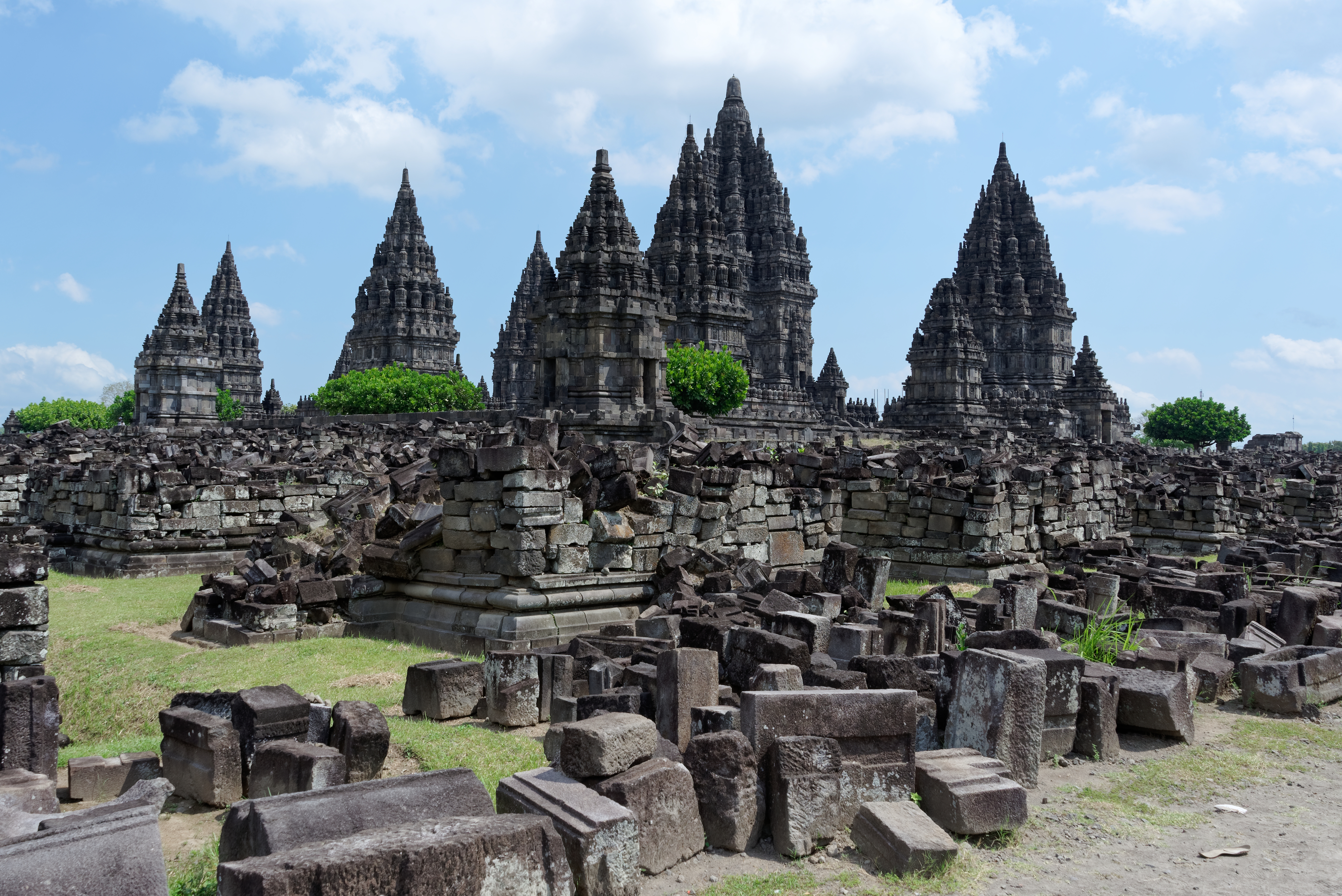
Prime Minister Narendra Modi visited the Prambanan Temple complex in Yogyakarta, Indonesia, on Wednesday to offer prayers and emphasize cultural ties.
The visit serves as a diplomatic gesture to reinforce the historic relationship between India and Indonesia through shared heritage and collaborative preservation efforts.
Modi arrived at the temple on the final day of a three-day visit [1] to Indonesia. The Prambanan Temple is a UNESCO World Heritage site [2] and one of the largest Hindu temple complexes in Southeast Asia. During his visit, the prime minister said the temple is approximately 1,200 years old [3].
Beyond the symbolic act of prayer, the visit focused on the practical preservation of the site. India has expressed support for the restoration of the historic Hindu temple to ensure the longevity of the heritage site [4]. This cooperation involves technical aid, and restoration projects aimed at maintaining the architectural integrity of the complex [5].
The prime minister's presence at the site underscored the centuries-old cultural bond that links the Indian subcontinent to the Indonesian archipelago [3]. By focusing on the restoration of the temple, the Indian government is leveraging shared religious and architectural history to strengthen contemporary diplomatic relations [4].
Officials said the restoration project is part of a broader effort to preserve Hindu heritage in the region [5]. The visit concluded the prime minister's itinerary in Indonesia, marking a pivot toward cultural diplomacy as a means of enhancing bilateral cooperation.
“The Prambanan Temple is a UNESCO World Heritage site”
This visit signals India's strategy of using 'cultural diplomacy' to strengthen its footprint in Southeast Asia. By providing restoration aid for a 1,200-year-old Hindu site in Indonesia, India reinforces a historical narrative of shared civilization, which serves as a soft-power tool to deepen political and economic ties with one of the region's largest economies.


'%2F%3E%0A%20%20%20%20%3Crect%20width%3D'1600'%20height%3D'900'%20fill%3D'url(%23v)'%2F%3E%0A%20%20%20%20%3Cg%20opacity%3D'0.08'%20fill%3D'%23ffffff'%3E%0A%20%20%20%20%20%20%3Ccircle%20cx%3D'1420'%20cy%3D'180'%20r%3D'220'%2F%3E%0A%20%20%20%20%20%20%3Ccircle%20cx%3D'1500'%20cy%3D'760'%20r%3D'120'%2F%3E%0A%20%20%20%20%3C%2Fg%3E%0A%20%20%20%20%3Cline%20x1%3D'80'%20y1%3D'172'%20x2%3D'220'%20y2%3D'172'%20stroke%3D'%23ffffff'%20stroke-width%3D'3'%20stroke-opacity%3D'0.6'%2F%3E%0A%20%20%20%20%3Ctext%20x%3D'80'%20y%3D'140'%20font-family%3D'Inter%2C%20-apple-system%2C%20Helvetica%2C%20sans-serif'%20font-weight%3D'700'%20font-size%3D'28'%20fill%3D'%23ffffff'%20letter-spacing%3D'6'%3EHANNA%20%C2%B7%20NEWS%3C%2Ftext%3E%0A%20%20%20%20%3Ctext%20x%3D'80'%20y%3D'230'%20font-family%3D'Inter%2C%20-apple-system%2C%20Helvetica%2C%20sans-serif'%20font-weight%3D'600'%20font-size%3D'40'%20fill%3D'%23ffffffb3'%20letter-spacing%3D'4'%3EWORLD%3C%2Ftext%3E%0A%20%20%20%20%3Ctext%20x%3D'80'%20y%3D'622'%20font-family%3D'Playfair%20Display%2C%20Georgia%2C%20serif'%20font-weight%3D'800'%20font-size%3D'86'%20fill%3D'%23ffffff'%20letter-spacing%3D'-1'%3EEdson%20Mayor%20Calls%20Proposed%3C%2Ftext%3E%3Ctext%20x%3D'80'%20y%3D'721'%20font-family%3D'Playfair%20Display%2C%20Georgia%2C%20serif'%20font-weight%3D'800'%20font-size%3D'86'%20fill%3D'%23ffffff'%20letter-spacing%3D'-1'%3EAlberta-BC%20Pipeline%20Crucial%3C%2Ftext%3E%3Ctext%20x%3D'80'%20y%3D'820'%20font-family%3D'Playfair%20Display%2C%20Georgia%2C%20serif'%20font-weight%3D'800'%20font-size%3D'86'%20fill%3D'%23ffffff'%20letter-spacing%3D'-1'%3Efor%20Rural%20Economy%3C%2Ftext%3E%0A%20%20%20%20%3Ctext%20x%3D'80'%20y%3D'870'%20font-family%3D'Inter%2C%20-apple-system%2C%20Helvetica%2C%20sans-serif'%20font-weight%3D'500'%20font-size%3D'22'%20fill%3D'%23ffffff66'%20letter-spacing%3D'2'%3Enews.hanna-ai.com%3C%2Ftext%3E%0A%20%20%3C%2Fsvg%3E)