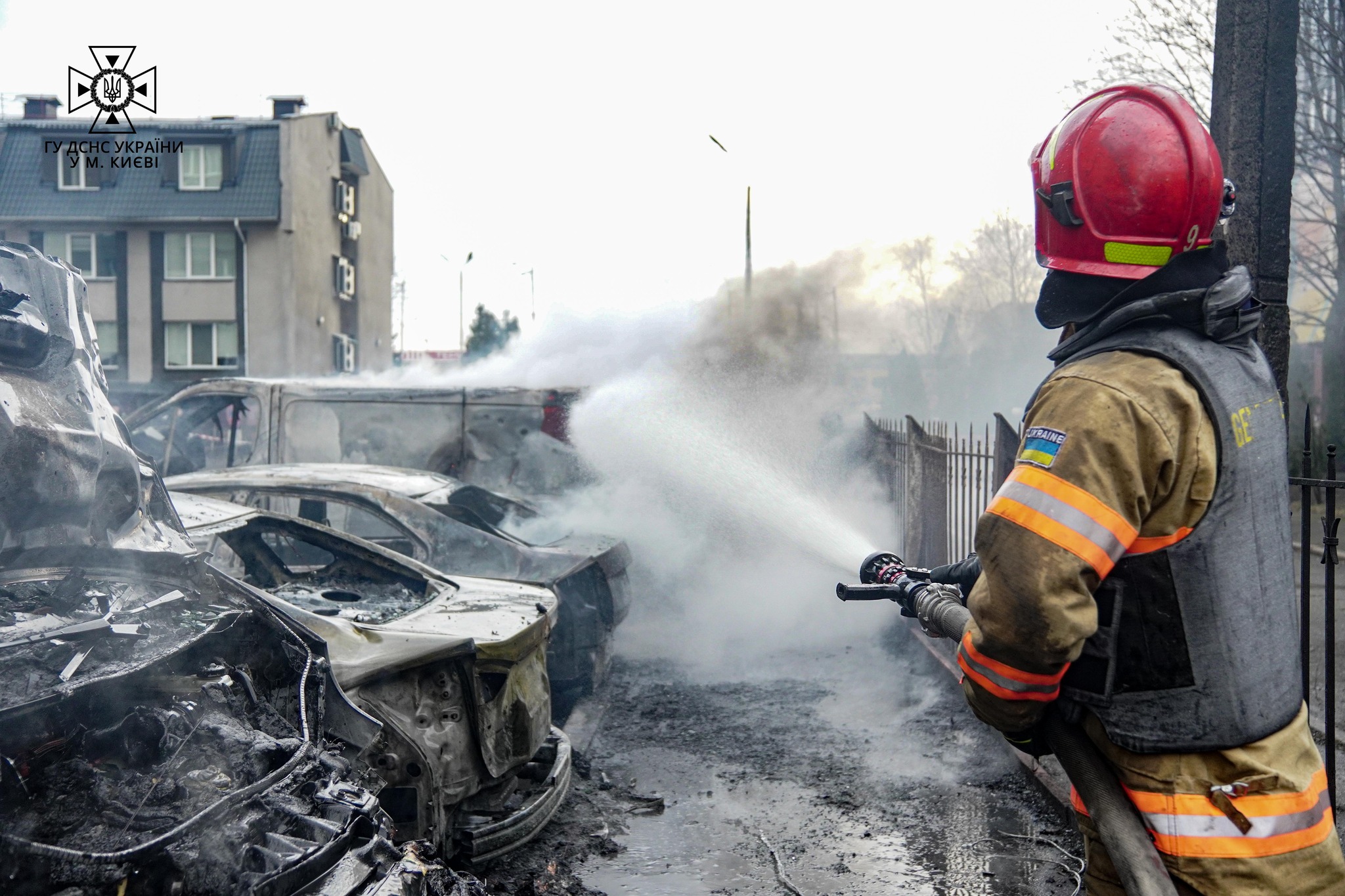
Russian forces struck a critical infrastructure facility in Ukraine's Poltava region, causing a leak of a dangerous chemical substance [1, 2, 3].
The incident highlights the ongoing risk of environmental and public health disasters resulting from attacks on industrial sites. Such leaks can contaminate local water sources and air, complicating military defense with urgent humanitarian and ecological crises.
According to the State Emergency Service of Ukraine (DSNS), the leak occurred following Russian shelling [4]. The agency said that a hazardous chemical substance escaped its containment after the strike hit the facility [4].
Reports from the scene indicate that the strike targeted a critical infrastructure object [2]. This breach forced emergency responders to mobilize quickly to contain the chemical threat and prevent the substance from spreading further into the surrounding environment [1, 2].
A correspondent for 24tv.ua said, "Russians hit a critical infrastructure object in Poltavshchyna. As a result of the shelling, there was a leak of a dangerous chemical substance" [2].
Rescue teams worked to liquidate the chemical threat following the breach [1]. While the specific type of chemical was not detailed in the initial reports, the DSNS said that the leak was a direct consequence of the Russian bombardment [4].
Local authorities in the Poltava region continue to monitor the site to ensure the containment remains secure. The strike underscores the vulnerability of industrial hubs located near active combat zones or within range of long-distance artillery [1, 3].
“Russian forces struck a critical infrastructure facility in Ukraine's Poltava region, causing a leak of a dangerous chemical substance.”
The targeting of critical infrastructure that houses hazardous materials increases the likelihood of 'secondary' disasters. When industrial containment is breached by kinetic strikes, the resulting chemical leaks create immediate toxicity zones that can incapacitate both civilian populations and emergency responders, potentially hindering the delivery of medical aid and infrastructure repair in contested regions.


