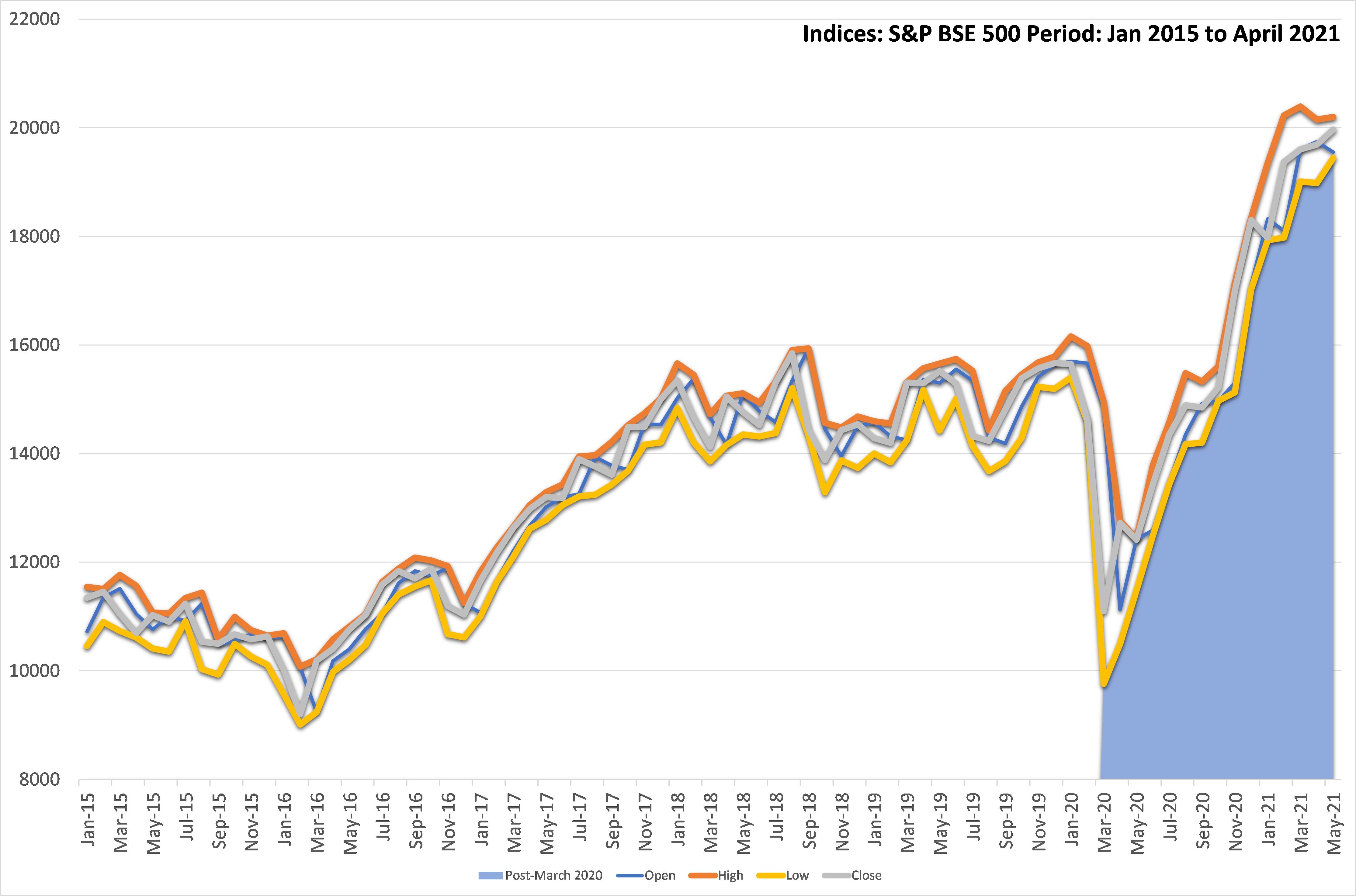
Investors with portfolios lagging behind market benchmarks are encouraged to identify and correct missing investment strategies to improve returns [1].
This shift in perspective is critical because it moves the focus from individual failure to systemic planning. When portfolios underperform, investors often mistake a lack of structure for a lack of skill, which can lead to impulsive decision-making or premature exits from the market.
According to a report from Seeking Alpha, the primary goal for these investors should be to conduct a comprehensive portfolio makeover [1]. This process involves analyzing why specific assets are not keeping pace with the broader market and determining if the current allocation aligns with the investor's long-term goals.
Experts suggest that underperformance is frequently a symptom of an incomplete approach. “When someone tells me their portfolio needs a makeover, I do not hear a bad investor. I hear a missing strategy,” the author said [1].
Identifying the gap in a strategy allows investors to make targeted adjustments. This might include diversifying into different asset classes, or rebalancing weights to better capture market growth. By treating the portfolio as a structured system, investors can remove the emotional stress associated with lagging returns.
Rather than reacting to short-term volatility, the recommended approach is to evaluate the framework of the investment plan. A missing strategy often manifests as a lack of clear entry and exit points, or an imbalance between risk and reward. Correcting these structural issues is the first step toward aligning a portfolio with market performance [1].
““When someone tells me their portfolio needs a makeover, I do not hear a bad investor. I hear a missing strategy.””
This guidance suggests a transition in retail investing from a 'stock-picking' mentality to a 'systems-based' approach. By framing underperformance as a strategic gap rather than a personal failure, investors are more likely to employ disciplined rebalancing and diversification rather than chasing high-risk trends to recover losses.