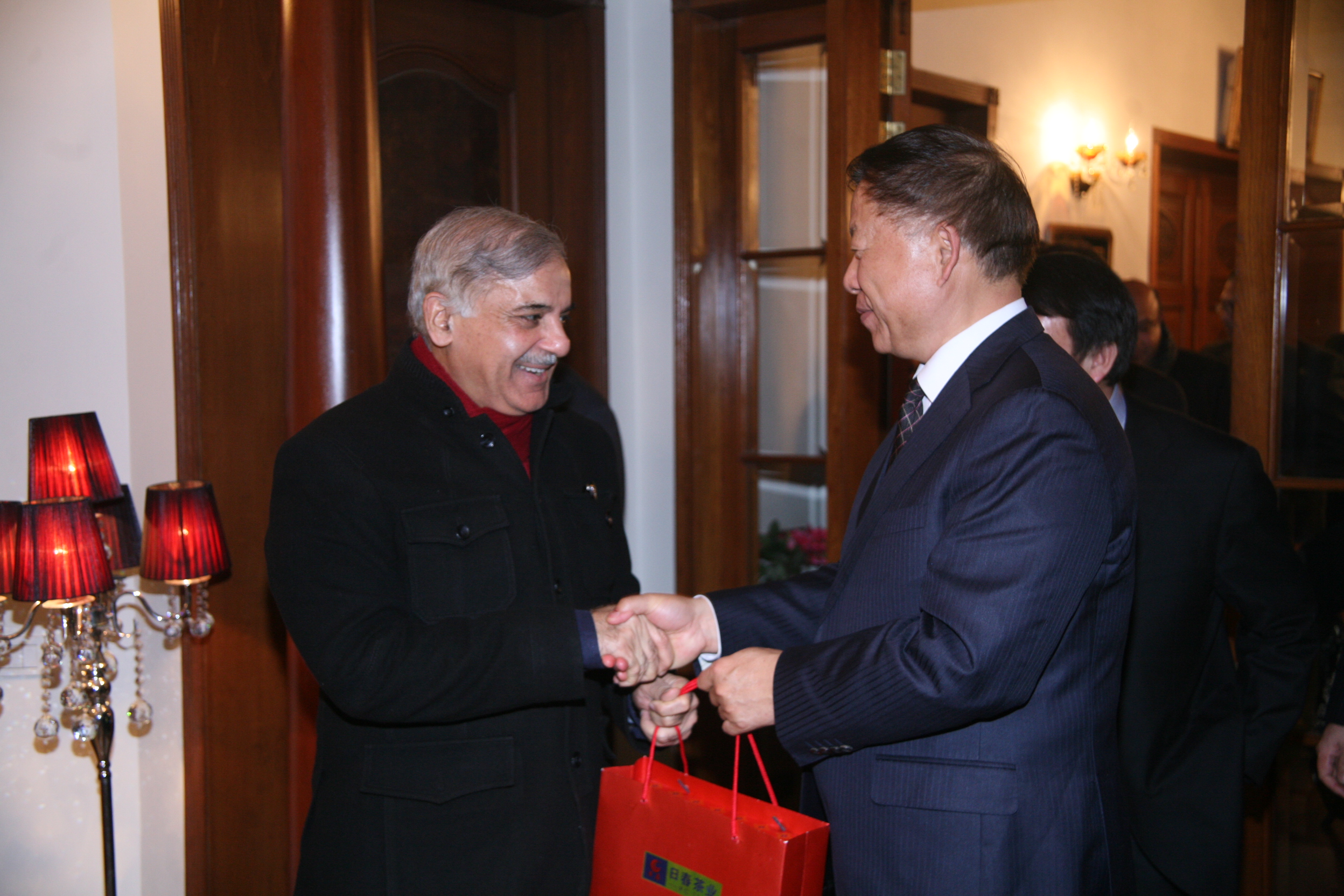
U.S. Secretary of State Marco Rubio arrived in India on Saturday [3] for a diplomatic visit to discuss trade and Quad cooperation.
The trip comes at a critical juncture for bilateral relations as both nations seek to reset strained ties and stabilize economic partnerships. The visit is particularly urgent due to a landmark U.S. Supreme Court ruling that collapsed previous tariff structures, which has left billions in bilateral trade in a state of uncertainty [1].
Rubio is scheduled for a four-day visit [4] that will conclude on May 26 [2]. The agenda focuses on advancing the goals of the Quad—a strategic security dialogue between the U.S., India, Japan, and Australia—while addressing the immediate fallout of the judicial decision on tariffs [1, 2].
Trade officials are expected to negotiate new frameworks to replace the defunct tariff structures. The instability created by the court ruling has complicated the flow of goods between the two nations, making the diplomatic mission a priority for the State Department [1].
Beyond economics, the visit aims to strengthen security cooperation. The Quad partnership remains a central pillar of the U.S. strategy to maintain a free and open Indo-Pacific region, and this visit serves to align strategic interests amid shifting global dynamics [2].
Rubio's arrival marks a concerted effort to ensure that the legal volatility in the U.S. does not derail the long-term strategic partnership with India. Officials will work to reconcile the new legal realities with existing trade agreements to prevent further economic disruption [1, 2].
“Rubio is scheduled for a four-day visit that will conclude on May 26.”
This visit signals that the U.S. views the India partnership as a strategic priority that must be insulated from domestic legal volatility. By addressing the tariff collapse immediately, the U.S. is attempting to prevent a trade vacuum that could either damage bilateral economic growth or push India toward alternative trade alignments. The focus on the Quad suggests that security interests continue to outweigh the friction caused by trade disputes.