Russian forces launched a mass drone attack involving approximately 200 UAVs against targets across Ukraine on June 3, 2024 [1].
The scale of the assault threatens critical infrastructure and risks a catastrophic failure at the region's largest nuclear facility. This escalation coincides with reported Ukrainian strikes inside Russian territory and growing diplomatic friction with European allies.
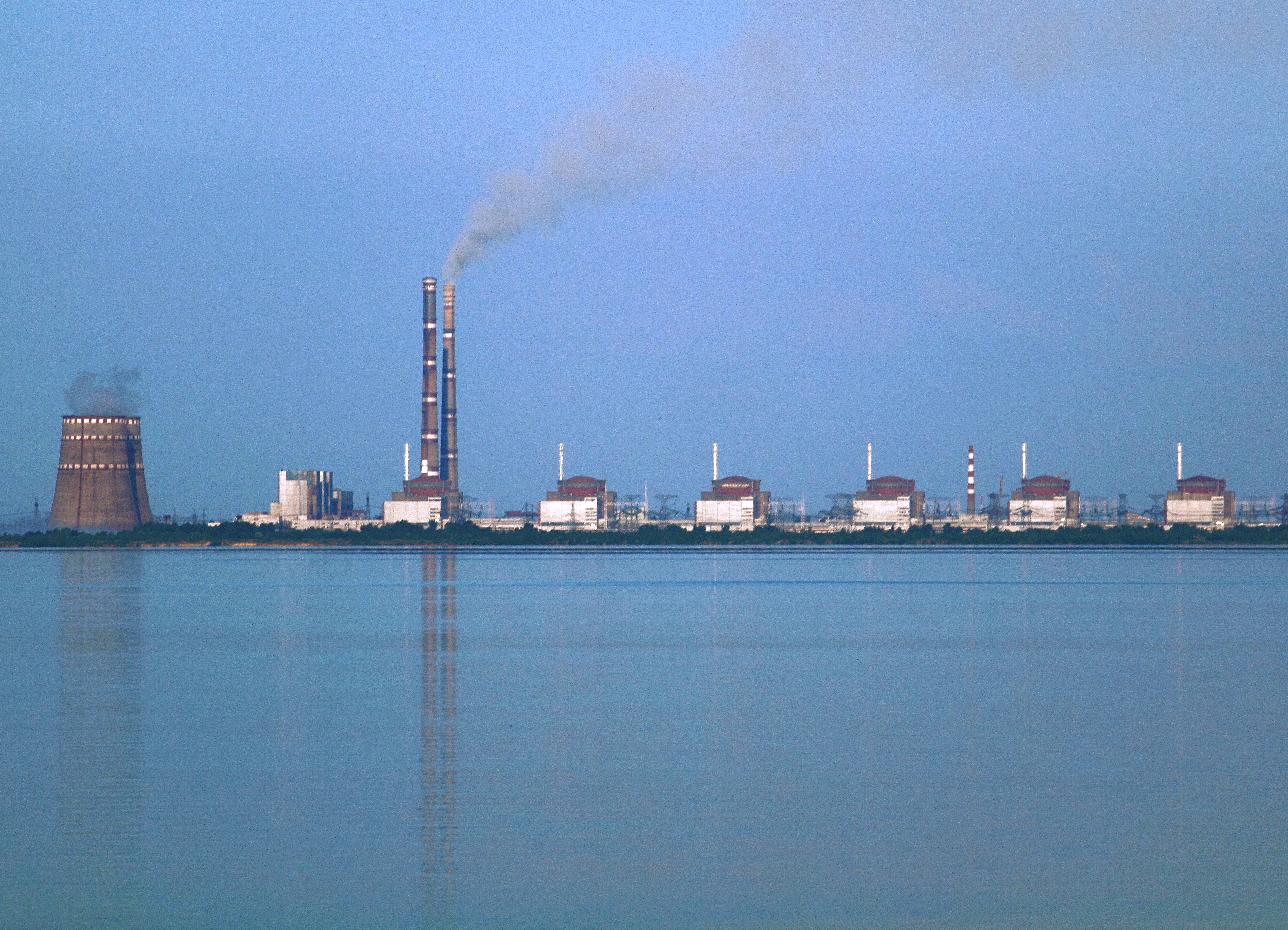
One of the most critical impacts of the attack was a blackout at the Zaporizhzhia Nuclear Power Plant [1]. The loss of external power at the facility creates significant safety risks for the reactors. In the Donetsk region, reports emerged regarding the use of phosphorus munitions by Russian forces [1].
While Ukraine faced aerial bombardment, Russia experienced internal disruptions. Large fires broke out at oil depots in St. Petersburg [1]. These incidents have contributed to fuel shortages across the Russian fuel market [1].
The military escalation is occurring alongside a period of strained diplomacy. Ukraine and Poland are currently experiencing heightened diplomatic tension [1]. These frictions complicate the logistical, and political support Ukraine receives from its neighbors.
Russian military officials have not provided a detailed public justification for the timing of the 200-drone strike [1]. However, the patterns of the attack suggest a strategy aimed at damaging energy infrastructure, and pressuring the Ukrainian government through systemic instability [1].
“Russian forces launched a mass drone attack involving approximately 200 UAVs”
The simultaneous nature of the drone swarm in Ukraine and the oil depot fires in Russia indicates a volatile phase of the conflict where both sides are targeting energy and fuel logistics. The blackout at the Zaporizhzhia plant is particularly precarious, as maintaining power is essential for cooling nuclear reactors. Combined with the diplomatic rift between Kyiv and Warsaw, these developments suggest a precarious moment for Ukraine's internal stability and external support networks.