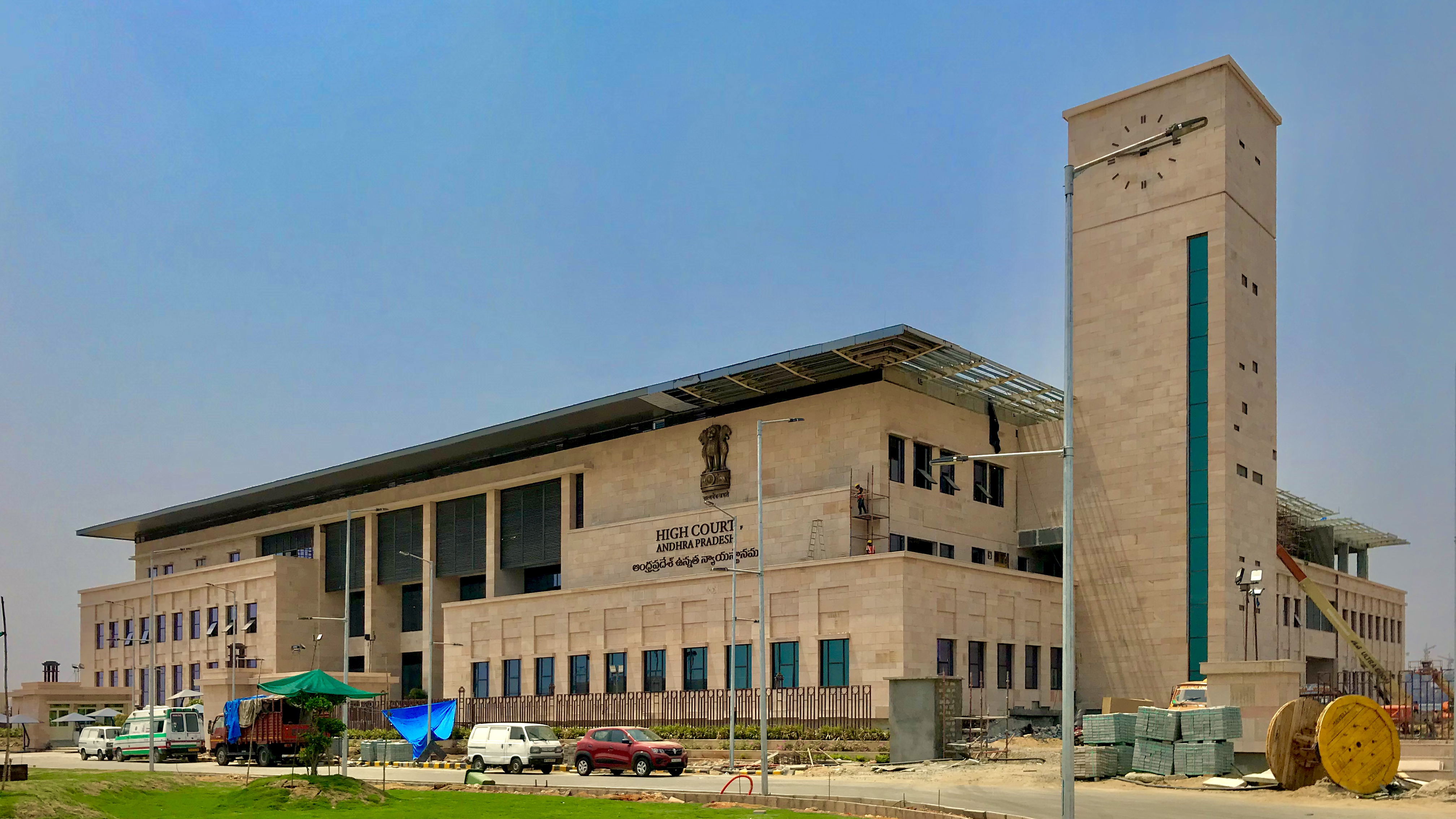
A Supreme Court special committee has urged universities in Andhra Pradesh to adhere to reservation norms during the recruitment of staff [1].
This directive ensures that higher education institutions comply with judicial mandates designed to promote social equity in professional hiring. Failure to follow these norms could lead to further legal scrutiny for the affected universities.
The committee observed that several universities in Andhra Pradesh were not adhering to the reservation norms, a spokesperson for The Hindu said [1]. The panel specifically highlighted the necessity of maintaining a 15% [1] allocation for Scheduled Castes throughout the recruitment process.
This recommendation follows a review of how institutions in the region implement affirmative action policies. The panel emphasized the need for universities to ensure 15% [1] allocation for Scheduled Castes during recruitment processes, a spokesperson said [1].
These measures are intended to align institutional hiring with broader Supreme Court orders regarding reservation policies in higher education. The panel's findings suggest a gap between legal requirements and the actual practices currently used by university administrations in Andhra Pradesh.
The recommendations are now under review to determine the next steps for enforcement and monitoring across the state's academic institutions [1].
“Several universities in Andhra Pradesh were not adhering to the reservation norms”
This intervention by a Supreme Court-appointed panel signals a tightening of oversight regarding affirmative action in India's higher education sector. By specifically targeting the 15% quota for Scheduled Castes, the judiciary is addressing systemic failures in the implementation of reservation laws, potentially paving the way for mandatory audits of university hiring practices in Andhra Pradesh.


