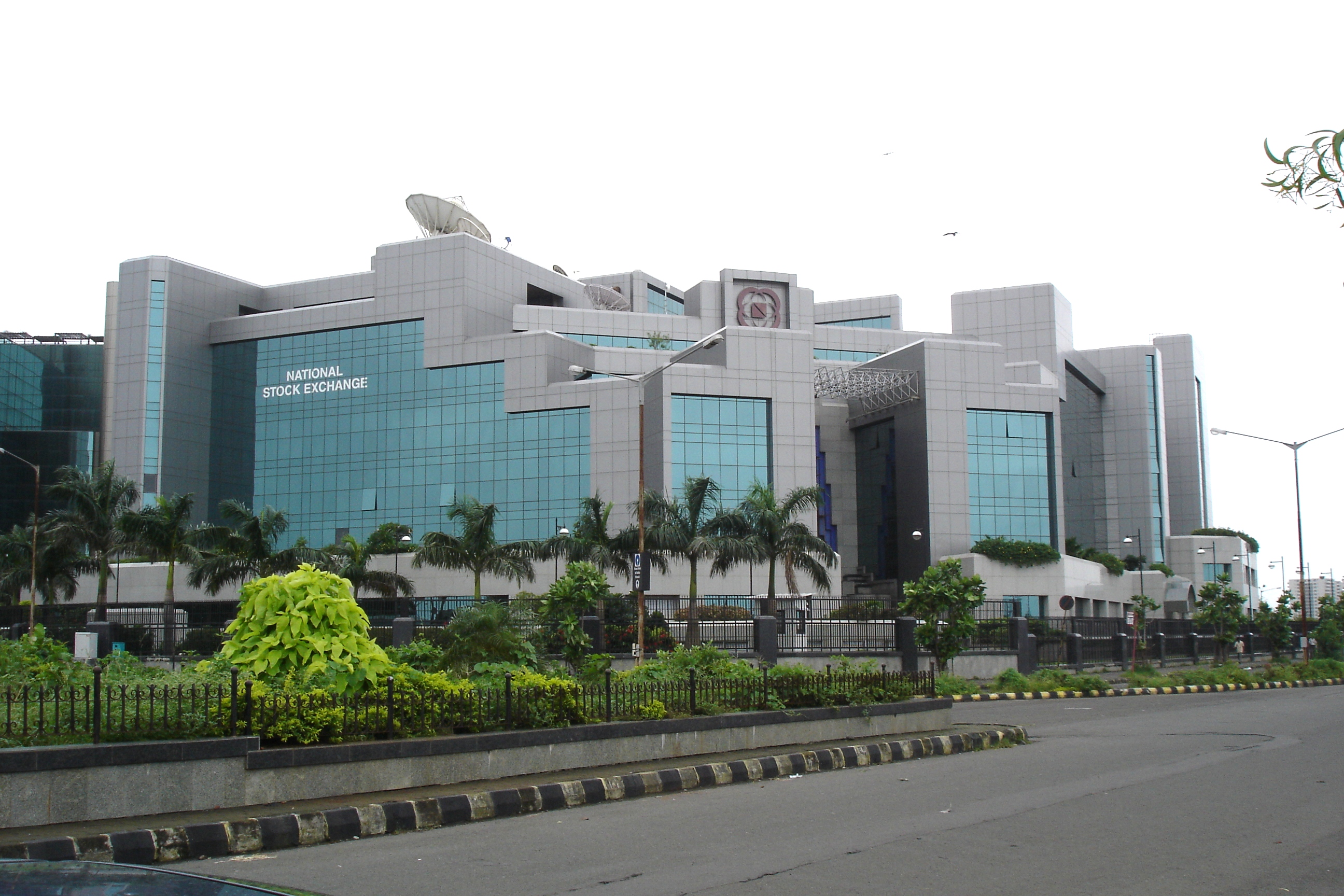
The Securities and Exchange Board of India (SEBI) has reintroduced open-market share buybacks through stock exchanges starting Aug. 1, 2026 [1, 3].
These reforms aim to increase market efficiency and protect investors while providing mutual fund houses with greater flexibility in how they manage liquidity [2, 4].
Under the new framework, SEBI has capped the execution window for open-market buybacks at 66 days [1]. Additionally, companies must ensure that at least 40% of the funds earmarked for the buyback are utilized [1]. These changes follow a period where the regulator sought feedback on revamping the share-buyback framework to better align with market needs [3].
Beyond corporate buybacks, the regulator approved a broadened intraday borrowing framework for mutual funds. Previously more restrictive, these rules now allow mutual funds to use intraday borrowing for settlement-related payments, foreign-exchange obligations, and mark-to-market adjustments [2, 4].
The expansion of borrowing rules is intended to ease the operational burden on fund managers. By allowing funds to cover these specific obligations through short-term borrowing, SEBI seeks to reduce the risk of liquidity mismatches during high-volume trading periods [2, 4].
The board approved these measures on June 19, 2026 [1, 2]. The implementation of both the buyback restoration and the updated mutual fund borrowing rules will coincide on Aug. 1, 2026 [1].
“SEBI has capped the execution window for open-market buybacks at 66 days”
The restoration of open-market buybacks gives Indian companies a more flexible tool for returning capital to shareholders without the rigidity of tender offers. Simultaneously, the mutual fund borrowing changes address a critical pain point in liquidity management, allowing funds to handle volatile daily settlements and currency fluctuations without being forced to liquidate long-term assets prematurely.


