
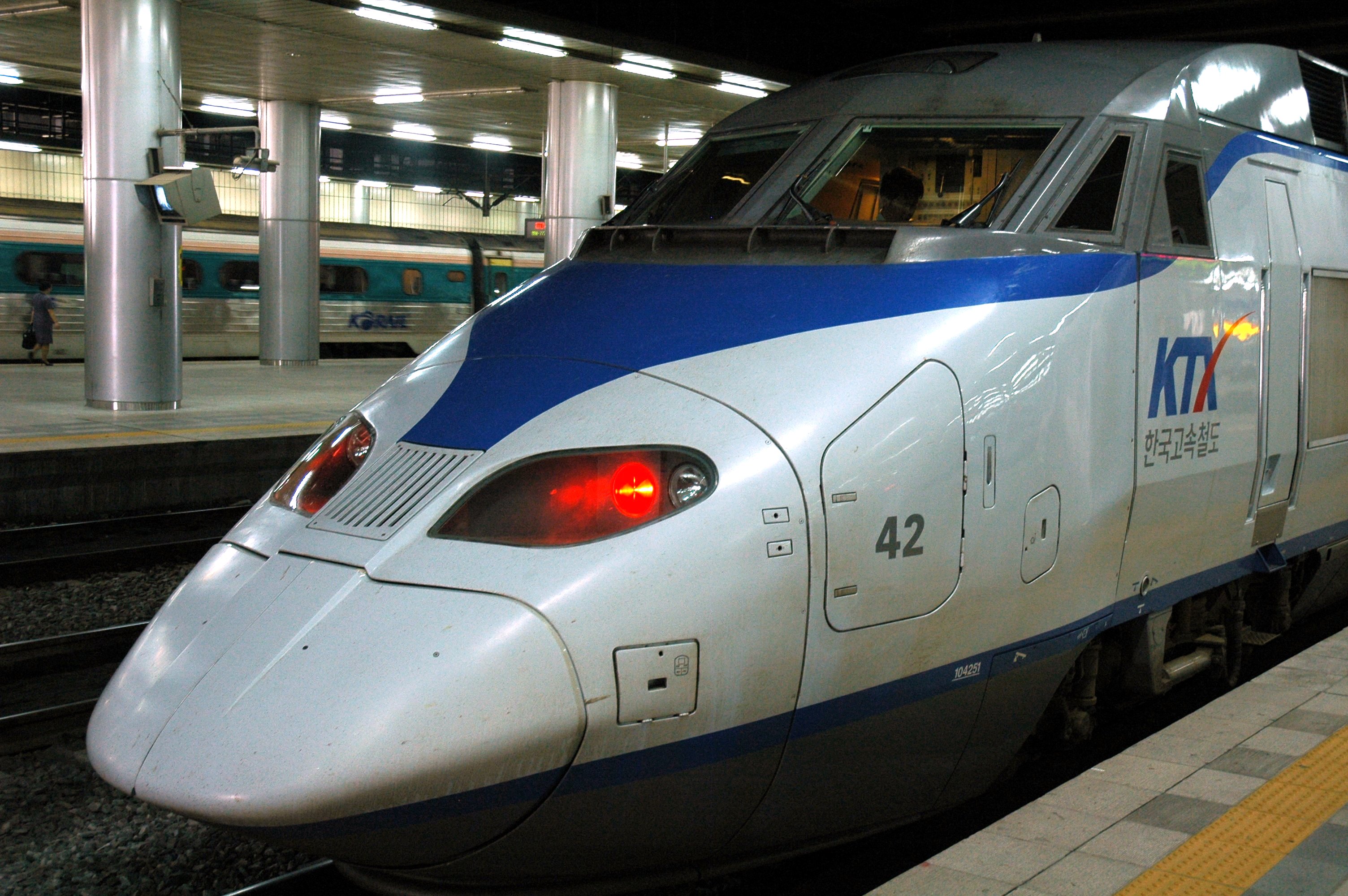
Train services in Seoul resumed Saturday after crews removed the upper structure of the collapsed Seosomun overpass [1].
The restoration of the Gyeongui-Jungang Line and KTX services ends a critical transport disruption in the capital, returning thousands of commuters to their normal routes.
Railway operations returned to normal on May 30, 2026 [3], following the collapse of the overpass on May 26, 2026 [3]. The process of dismantling and clearing the upper structure that had fallen across the tracks took 79 hours [1].
According to YTN, the resumption of service affects KTX trains traveling from Haengsin to Seoul and Yongsan stations, as well as general trains on the Gyeongui-Jungang Line [2]. The removal of the debris allowed workers to restore power to the electric trains and ensure the tracks were safe for high-speed transit [1].
South Korean police are now focusing on the cause of the structural failure. Investigators are accelerating their probe into the overall construction process to determine who is responsible for the collapse, Lee Su-bin said [2].
While the tracks are clear, the investigation into the construction phase remains ongoing to prevent similar infrastructure failures in the city's dense urban corridors.
“Train services in Seoul resumed Saturday after crews removed the upper structure of the collapsed Seosomun overpass.”
The rapid restoration of service highlights the critical dependency of Seoul's transit network on a few key corridors. However, the police investigation into the construction process suggests that the collapse may not have been a random accident, but potentially the result of systemic failures in engineering or oversight during the overpass's development.


