
President Claudia Sheinbaum defended Mexico's national sovereignty and rejected any foreign interference in the country's internal affairs on Tuesday [1, 2].
These assertions signal a firm diplomatic stance against external pressure, emphasizing that the Mexican government's legitimacy rests on the will of its citizens rather than international consensus.
Sheinbaum made the statements from two distinct locations: the U.S.–Mexico border region and the state of Puebla [3, 4]. The president said that sovereignty and the will of the people serve as the foundation of Mexican democracy. She said that these principles cannot be negotiated or dictated by external actors [1, 2].
Local supporters in Puebla echoed this sentiment during a rally. García Chávez said that defending the president is equivalent to defending the nation, its identity, and its culture. Chávez said that the current government is the result of the will and feelings of millions of Mexicans [4].
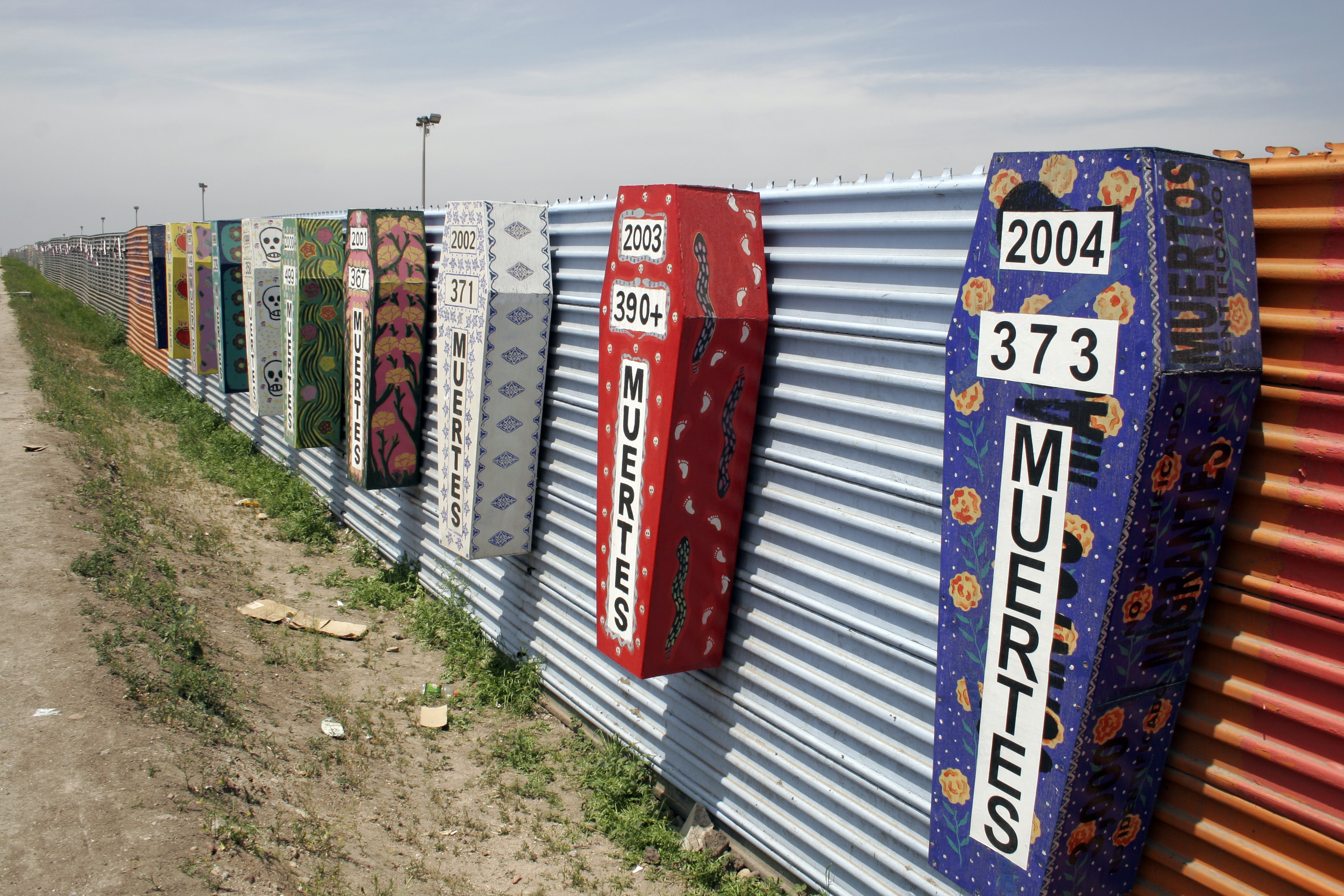
By addressing the issue from the border, Sheinbaum highlighted the physical and political boundary between Mexico and the U.S. The president said that externally imposed decisions are unacceptable in the management of internal affairs [2, 3].
The rhetoric emphasizes a commitment to non-interventionism, a long-standing pillar of Mexican foreign policy. This approach seeks to ensure that domestic policy remains independent of the influence of foreign governments or international organizations [1, 2].
“Sovereignty and the will of the people are the foundation of Mexican democracy.”
Sheinbaum's rhetoric reinforces the 'Estrada Doctrine,' a traditional Mexican foreign policy principle that avoids intervening in the internal affairs of other states and demands the same in return. By explicitly rejecting foreign interference while speaking from the U.S. border, the administration is establishing a boundary of autonomy in its bilateral relationship with the United States, signaling that domestic governance will not be subject to external mandates.


