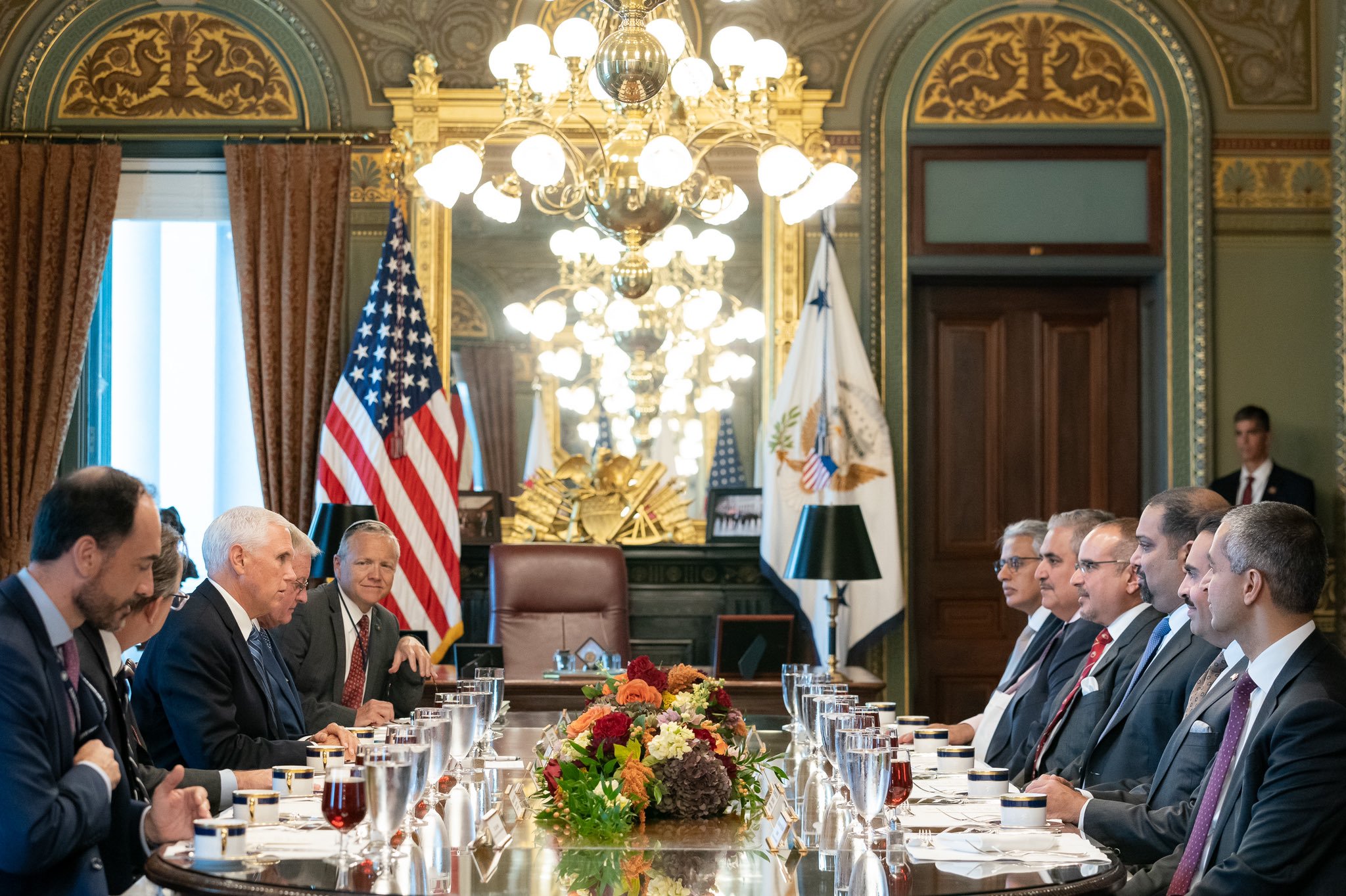
The South Korean government pledged support for domestic companies seeking to participate in reconstruction projects across the Middle East [1].
This initiative represents a strategic move to leverage South Korean engineering and construction expertise to stabilize war-torn regions while driving economic growth for national firms. By targeting critical infrastructure, the government aims to secure a foothold in large-scale international development contracts.
Finance Minister Koo Yun-cheol and Foreign Minister Cho Hyun represented the government in coordinating these efforts [1, 4]. The focus of the support involves helping Korean firms secure contracts to rebuild energy systems and other essential infrastructure destroyed during recent conflicts in the region [2, 4].
These discussions took place during meetings in Seoul on May 6, 2024 [4]. The government's approach involves a coordinated effort between the finance and foreign ministries to ensure that Korean companies have the diplomatic and financial backing necessary to compete in the Middle Eastern market [1, 4].
Market analysts said that the prospect of Middle East reconstruction has already begun to influence the financial sector, specifically boosting Korean construction stocks [2]. The government intends to provide the necessary framework to ensure these companies can operate effectively in high-risk environments, a necessity for the rebuilding of critical energy grids [2, 4].
While the specific financial packages have not been detailed, the commitment from the ministers suggests a high-level priority to integrate Korean industry into the post-war recovery phase of the Middle East crisis [1, 4].
“The government pledged support for Korean companies to take part in reconstruction projects in the Middle East.”
South Korea is positioning itself as a primary partner for Middle East stability by linking its economic interests to regional recovery. By focusing on energy and critical infrastructure, Seoul is not only seeking commercial profit for its construction sector but is also using infrastructure diplomacy to strengthen political ties in a volatile region.