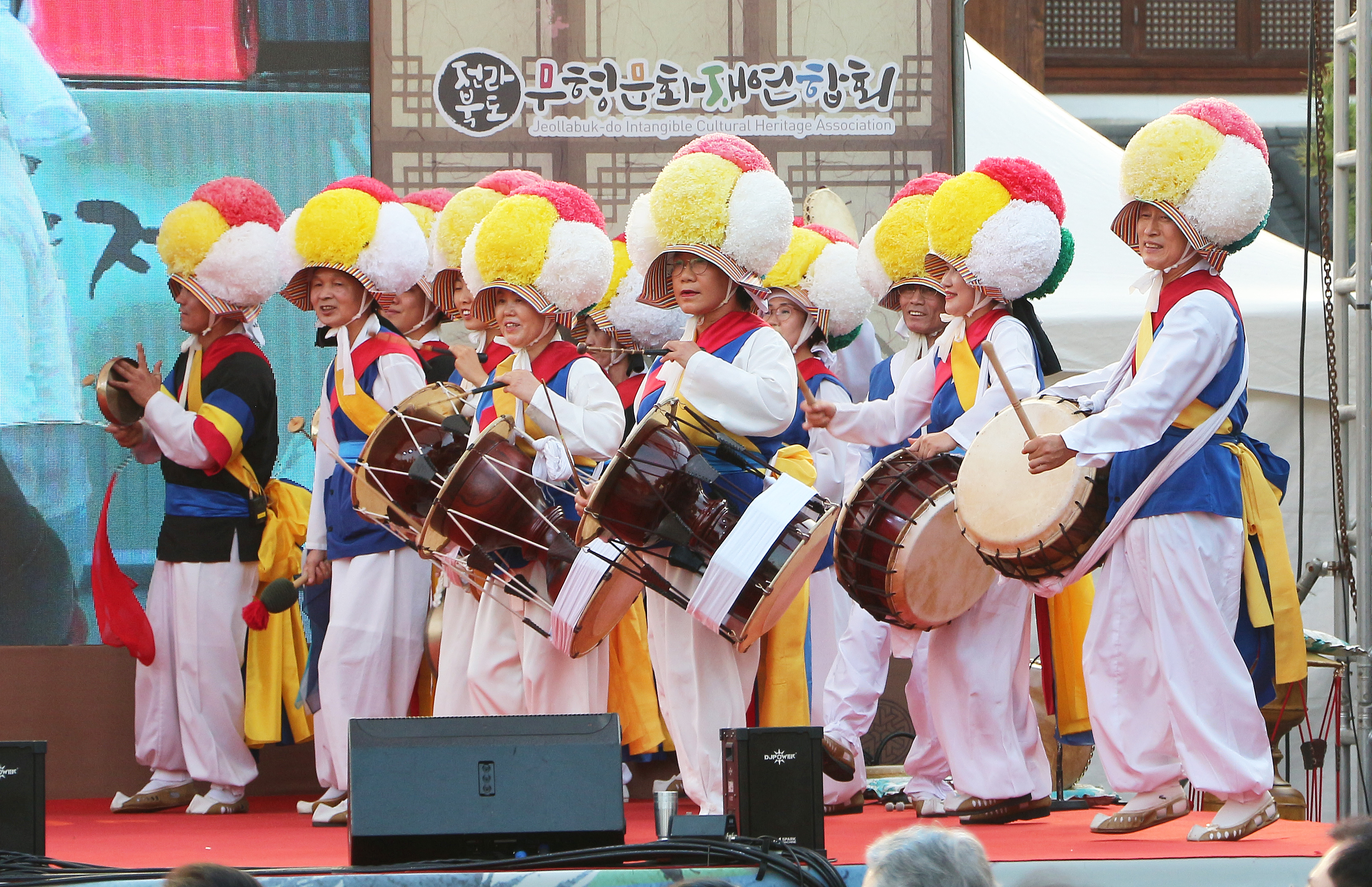
South Korea is hosting an Intangible Cultural Heritage Festival in Busan during the 48th UNESCO World Heritage Committee session [1].
The event aims to preserve living traditions and influence future global heritage policies by demonstrating how active participation sustains cultural identity. By integrating a public festival with a high-level diplomatic session, South Korea is positioning its intangible assets as central to the broader conversation on world heritage.
The festivities span 10 days [2], having kicked off on July 19, 2026 [3]. The program includes exhibitions, live performances, and hands-on experiences designed to engage international delegates and the public. A central part of the initiative is the K-Heritage House, a dedicated space for sharing traditions with the global community.
"We opened the K-Heritage House to share Korea’s living traditions with the world during the UNESCO session," Lee Jong-sik, Minister of Culture, Sports and Tourism, said.
Among the featured exhibits is a program by the Jogye Order, which focuses on the intersection of spirituality and art. Venerable Seong-hwan of the Jogye Order said the exhibition aims to introduce Korean Buddhist culture as part of the intangible heritage program.
The festival emphasizes that cultural survival depends on more than just archiving the past. Performers involved in the event said that intangible heritage is sustained not only by preservation but also by active participation and transmission to younger generations.
The event coincides with the larger UNESCO session, which runs through July 28, 2026 [3]. The convergence of these activities allows South Korean officials to showcase the practical application of heritage preservation while committee members deliberate on the status of various global sites.
“Intangible heritage is sustained not only by preservation but also by active participation and transmission to younger generations.”
By hosting the festival alongside the 48th UNESCO session, South Korea is attempting to shift the global heritage discourse from a focus on static monuments to 'living' heritage. This strategy highlights the importance of human transmission and active practice, potentially influencing how UNESCO evaluates and protects intangible cultural assets in the future.


