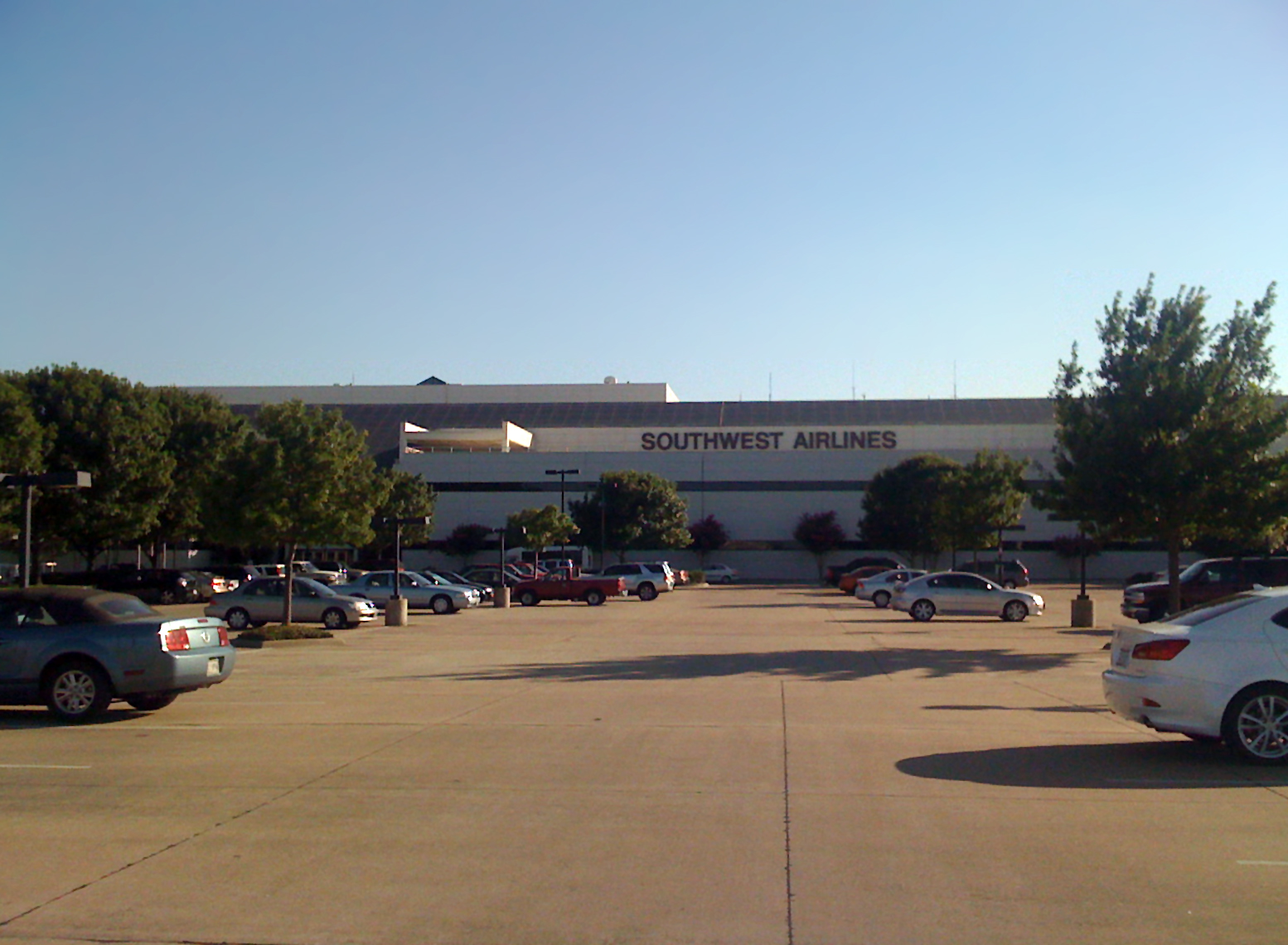
Southwest Airlines has announced a policy banning all humanoid robots from being carried on any of its flights worldwide [1, 4].
The move reflects growing tensions between rapid advancements in robotics and aviation safety protocols. As humanoid robots become more common, airlines must determine how to manage high-capacity batteries and mechanical malfunctions that could jeopardize flight security.
"Southwest Airlines will no longer allow humanoid robots on any of its flights, effective immediately," a company spokesperson said [2]. The ban applies to robots traveling as passengers or as checked luggage [1, 3].
According to the airline, the decision follows recent operational challenges. "We’ve had recent experiences that prompted this new policy," a spokesperson said [1].
One specific incident occurred May 1, 2026 [5], on a flight route from Oakland to San Diego [5]. A dancing robot caused a flight delay after its oversized batteries were confiscated [5]. While some reports identified the robot as Bebop [5], other accounts referred to it as Stewie [5].
The airline cited safety and security concerns as the primary driver for the ban [1]. Specifically, the company pointed to oversized batteries and operational confusion as risks that cannot be mitigated under current flight guidelines [1, 5].
The policy was reported May 16, 2026 [1], with further details released in a video May 18, 2026 [2]. The airline has not specified if the ban extends to non-humanoid assistive robots, or if there are exceptions for certified medical devices.
“"Southwest Airlines will no longer allow humanoid robots on any of its flights, effective immediately."”
This policy signals a preemptive shift in aviation regulation as consumer robotics enter the mainstream. By targeting 'humanoid' forms specifically, Southwest is addressing the physical and electrical risks posed by large-scale batteries and unpredictable mechanical movements in confined cabin spaces, potentially setting a precedent for other U.S. carriers.