
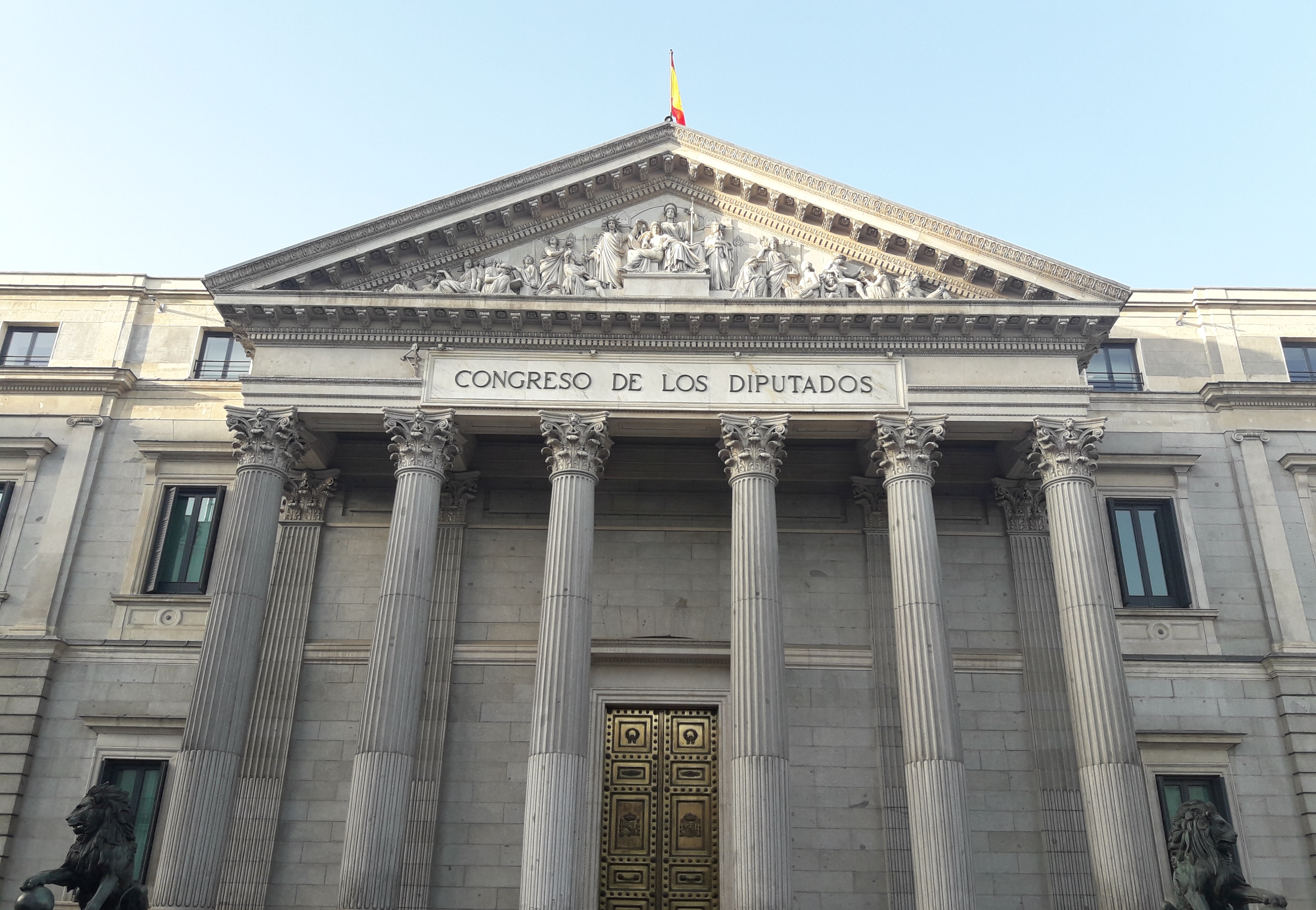
Coalition partners of Spanish Prime Minister Pedro Sánchez have declined to support a motion of no confidence to remove him from power [1].
The refusal by the Basque Nationalist Party (PNV) and Junts per Catalunya leaves the current government intact despite intensifying legal and political pressure from the opposition. Because these parties hold the balance of power in the Congress of Deputies, their reluctance to pivot effectively shields the administration from a legislative overthrow.
Opposition leader Alberto Núñez Feijóo has spent this week pressing the partners to distance themselves from the Prime Minister. Feijóo said the partners are sustaining "the dirtiest government of the democracy" [2]. He said that a former head of government had never been indicted by the National Court for such grave crimes [3].
Despite these appeals, the PNV and Junts have maintained a cautious stance. The PNV is reportedly waiting for further judicial developments before making a move [1]. While Junts has remained largely silent in public, both parties have privately expressed that they are not prepared to support a censure motion at this time [1].
Sources indicate that the partners view a motion of no confidence as a high political risk. There is also a reluctance to associate themselves with an alternative government that they might perceive as even less desirable or "dirtier" than the current one [2], [4].
Feijóo has continued to challenge the partners' motives. He said that if they do not want elections, they should "enjoy the trip" [5]. This tension follows a series of public appeals starting around May 20 [3], as the opposition attempts to capitalize on judicial proceedings to force a change in leadership.
“"sostienen al Gobierno más sucio de la democracia"”
The refusal of the PNV and Junts to back a motion of no confidence suggests that the tactical benefits of maintaining the current coalition outweigh the risks of an unstable transition. By prioritizing judicial outcomes and avoiding a premature political gamble, these regionalist parties are ensuring that any change in government occurs only under conditions that favor their specific legislative goals rather than the opposition's timeline.



