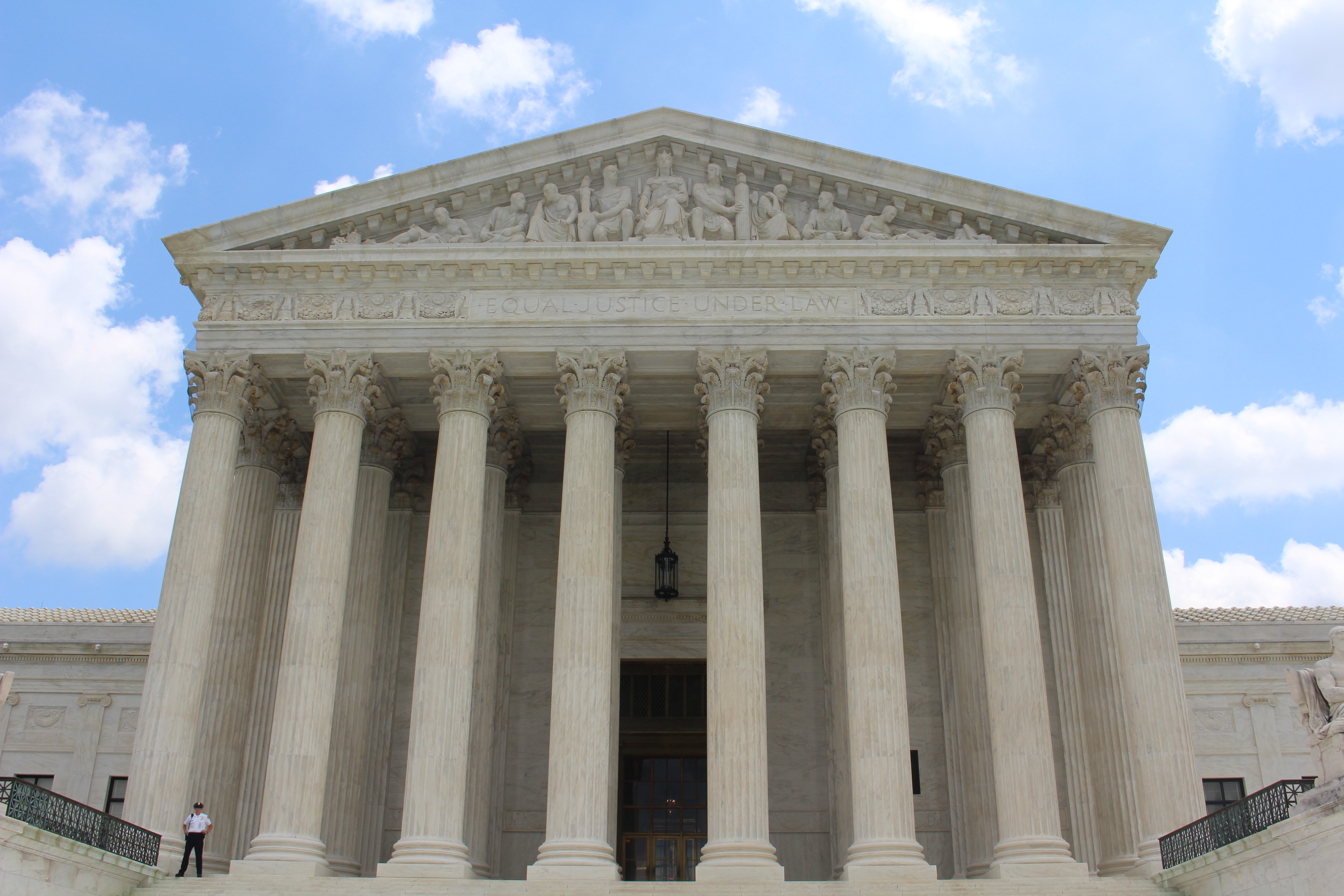
The U.S. Supreme Court rejected President Donald Trump's attempt to end birthright citizenship on Tuesday, June 30, 2026 [1].
The ruling preserves a fundamental constitutional guarantee that has defined American citizenship for generations. By upholding the 14th Amendment, the court prevents the executive branch from unilaterally altering who is considered a citizen at birth.
In a six-three decision [2], the justices ruled that the president lacks the authority to overturn the constitutional principle that grants citizenship to all children born on U.S. soil [3]. The court's decision affirms that the 14th Amendment remains the governing authority on the matter, regardless of presidential policy goals [3].
Legal advocates and immigrant rights groups expressed relief following the announcement in Washington, D.C. The ruling ensures that millions of children born in the U.S. continue to hold full legal protections, and rights afforded by citizenship [4].
"The Supreme Court upheld the 14th Amendment’s decree that babies born in the U.S. are American," ABC News said [5].
The challenge brought by the administration sought to redefine the interpretation of the Constitution to exclude children of non-citizens. However, the majority of the court found such an interpretation inconsistent with the text of the 14th Amendment [3].
The decision was released on June 30, 2026 [1], effectively ending the administration's current legal path to restrict birthright citizenship through executive action.
“The Supreme Court upheld the 14th Amendment’s decree that babies born in the U.S. are American.”
This ruling reinforces the legal precedent that the 14th Amendment's citizenship clause is self-executing and cannot be overridden by executive order. It clarifies that any change to birthright citizenship would likely require a constitutional amendment rather than a policy shift, effectively shielding the status of millions of U.S.-born individuals from presidential discretion.


'%2F%3E%0A%20%20%20%20%3Crect%20width%3D'1600'%20height%3D'900'%20fill%3D'url(%23v)'%2F%3E%0A%20%20%20%20%3Cg%20opacity%3D'0.08'%20fill%3D'%23ffffff'%3E%0A%20%20%20%20%20%20%3Ccircle%20cx%3D'1420'%20cy%3D'180'%20r%3D'220'%2F%3E%0A%20%20%20%20%20%20%3Ccircle%20cx%3D'1500'%20cy%3D'760'%20r%3D'120'%2F%3E%0A%20%20%20%20%3C%2Fg%3E%0A%20%20%20%20%3Cline%20x1%3D'80'%20y1%3D'172'%20x2%3D'220'%20y2%3D'172'%20stroke%3D'%23ffffff'%20stroke-width%3D'3'%20stroke-opacity%3D'0.6'%2F%3E%0A%20%20%20%20%3Ctext%20x%3D'80'%20y%3D'140'%20font-family%3D'Inter%2C%20-apple-system%2C%20Helvetica%2C%20sans-serif'%20font-weight%3D'700'%20font-size%3D'28'%20fill%3D'%23ffffff'%20letter-spacing%3D'6'%3EHANNA%20%C2%B7%20NEWS%3C%2Ftext%3E%0A%20%20%20%20%3Ctext%20x%3D'80'%20y%3D'230'%20font-family%3D'Inter%2C%20-apple-system%2C%20Helvetica%2C%20sans-serif'%20font-weight%3D'600'%20font-size%3D'40'%20fill%3D'%23ffffffb3'%20letter-spacing%3D'4'%3EWORLD%3C%2Ftext%3E%0A%20%20%20%20%3Ctext%20x%3D'80'%20y%3D'694'%20font-family%3D'Playfair%20Display%2C%20Georgia%2C%20serif'%20font-weight%3D'800'%20font-size%3D'110'%20fill%3D'%23ffffff'%20letter-spacing%3D'-1'%3EBTS%20Arirang%20Tour%20Tickets%3C%2Ftext%3E%3Ctext%20x%3D'80'%20y%3D'820'%20font-family%3D'Playfair%20Display%2C%20Georgia%2C%20serif'%20font-weight%3D'800'%20font-size%3D'110'%20fill%3D'%23ffffff'%20letter-spacing%3D'-1'%3ESell%20Out%20Quickly%20in%20Bangkok%3C%2Ftext%3E%0A%20%20%20%20%3Ctext%20x%3D'80'%20y%3D'870'%20font-family%3D'Inter%2C%20-apple-system%2C%20Helvetica%2C%20sans-serif'%20font-weight%3D'500'%20font-size%3D'22'%20fill%3D'%23ffffff66'%20letter-spacing%3D'2'%3Enews.hanna-ai.com%3C%2Ftext%3E%0A%20%20%3C%2Fsvg%3E)