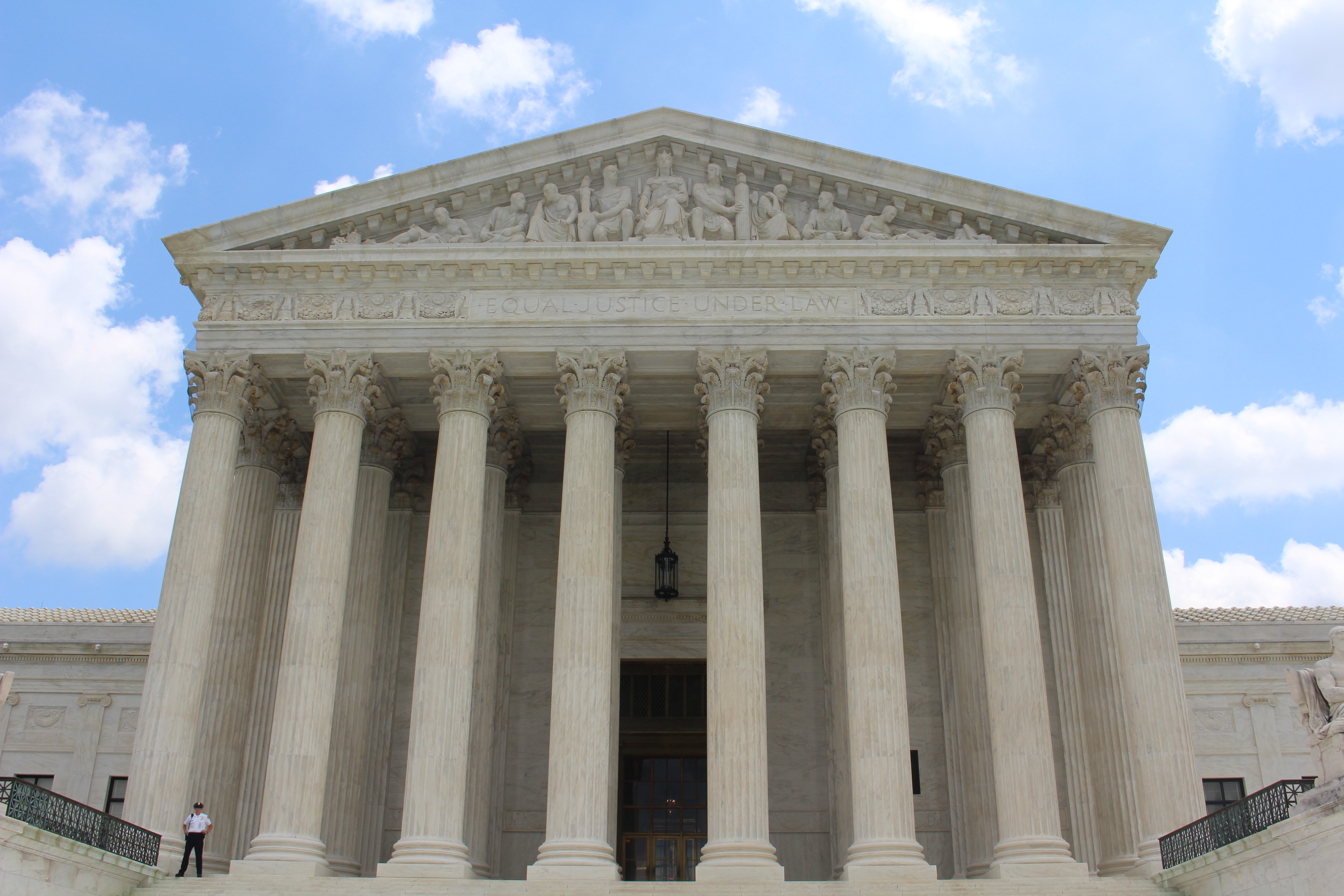
The U.S. Supreme Court struck down an executive order from President Donald Trump that sought to end birthright citizenship in the United States.
The ruling preserves a fundamental pillar of American immigration law by ensuring that the status of a child's parents does not determine their citizenship upon birth. This decision prevents the executive branch from unilaterally altering the legal definition of citizenship through administrative orders.
In a decision issued June 30, 2024 [2], the court ruled six-three [1] against the administration. The justices held that the Fourteenth Amendment of the U.S. Constitution guarantees citizenship to any person born on U.S. soil, regardless of the immigration status of their parents [4].
The court determined that the executive order exceeded presidential authority. By attempting to limit birthright citizenship, the administration had overstepped the legal bounds of executive power, a move the court found incompatible with the constitutional mandate.
The ruling confirms that the right to citizenship for those born in the U.S. remains intact. This outcome clarifies the boundary between presidential policy-making and constitutional law, reaffirming that the Fourteenth Amendment cannot be bypassed by executive action [4].
“The U.S. Supreme Court struck down an executive order from President Donald Trump that sought to end birthright citizenship”
This ruling reinforces the principle of 'jus soli' (right of the soil) in the U.S., ensuring that birthright citizenship remains a constitutional guarantee rather than a policy preference. By limiting the scope of executive orders, the Supreme Court has set a legal precedent that prevents future presidents from redefining citizenship without a constitutional amendment or specific legislative action.

'%2F%3E%0A%20%20%20%20%3Crect%20width%3D'1600'%20height%3D'900'%20fill%3D'url(%23v)'%2F%3E%0A%20%20%20%20%3Cg%20opacity%3D'0.08'%20fill%3D'%23ffffff'%3E%0A%20%20%20%20%20%20%3Ccircle%20cx%3D'1420'%20cy%3D'180'%20r%3D'220'%2F%3E%0A%20%20%20%20%20%20%3Ccircle%20cx%3D'1500'%20cy%3D'760'%20r%3D'120'%2F%3E%0A%20%20%20%20%3C%2Fg%3E%0A%20%20%20%20%3Cline%20x1%3D'80'%20y1%3D'172'%20x2%3D'220'%20y2%3D'172'%20stroke%3D'%23ffffff'%20stroke-width%3D'3'%20stroke-opacity%3D'0.6'%2F%3E%0A%20%20%20%20%3Ctext%20x%3D'80'%20y%3D'140'%20font-family%3D'Inter%2C%20-apple-system%2C%20Helvetica%2C%20sans-serif'%20font-weight%3D'700'%20font-size%3D'28'%20fill%3D'%23ffffff'%20letter-spacing%3D'6'%3EHANNA%20%C2%B7%20NEWS%3C%2Ftext%3E%0A%20%20%20%20%3Ctext%20x%3D'80'%20y%3D'230'%20font-family%3D'Inter%2C%20-apple-system%2C%20Helvetica%2C%20sans-serif'%20font-weight%3D'600'%20font-size%3D'40'%20fill%3D'%23ffffffb3'%20letter-spacing%3D'4'%3EWORLD%3C%2Ftext%3E%0A%20%20%20%20%3Ctext%20x%3D'80'%20y%3D'694'%20font-family%3D'Playfair%20Display%2C%20Georgia%2C%20serif'%20font-weight%3D'800'%20font-size%3D'110'%20fill%3D'%23ffffff'%20letter-spacing%3D'-1'%3EPyrotechnics%20Malfunction%20at%3C%2Ftext%3E%3Ctext%20x%3D'80'%20y%3D'820'%20font-family%3D'Playfair%20Display%2C%20Georgia%2C%20serif'%20font-weight%3D'800'%20font-size%3D'110'%20fill%3D'%23ffffff'%20letter-spacing%3D'-1'%3EDaegu%20Chimaek%20Festival%3C%2Ftext%3E%0A%20%20%20%20%3Ctext%20x%3D'80'%20y%3D'870'%20font-family%3D'Inter%2C%20-apple-system%2C%20Helvetica%2C%20sans-serif'%20font-weight%3D'500'%20font-size%3D'22'%20fill%3D'%23ffffff66'%20letter-spacing%3D'2'%3Enews.hanna-ai.com%3C%2Ftext%3E%0A%20%20%3C%2Fsvg%3E)
