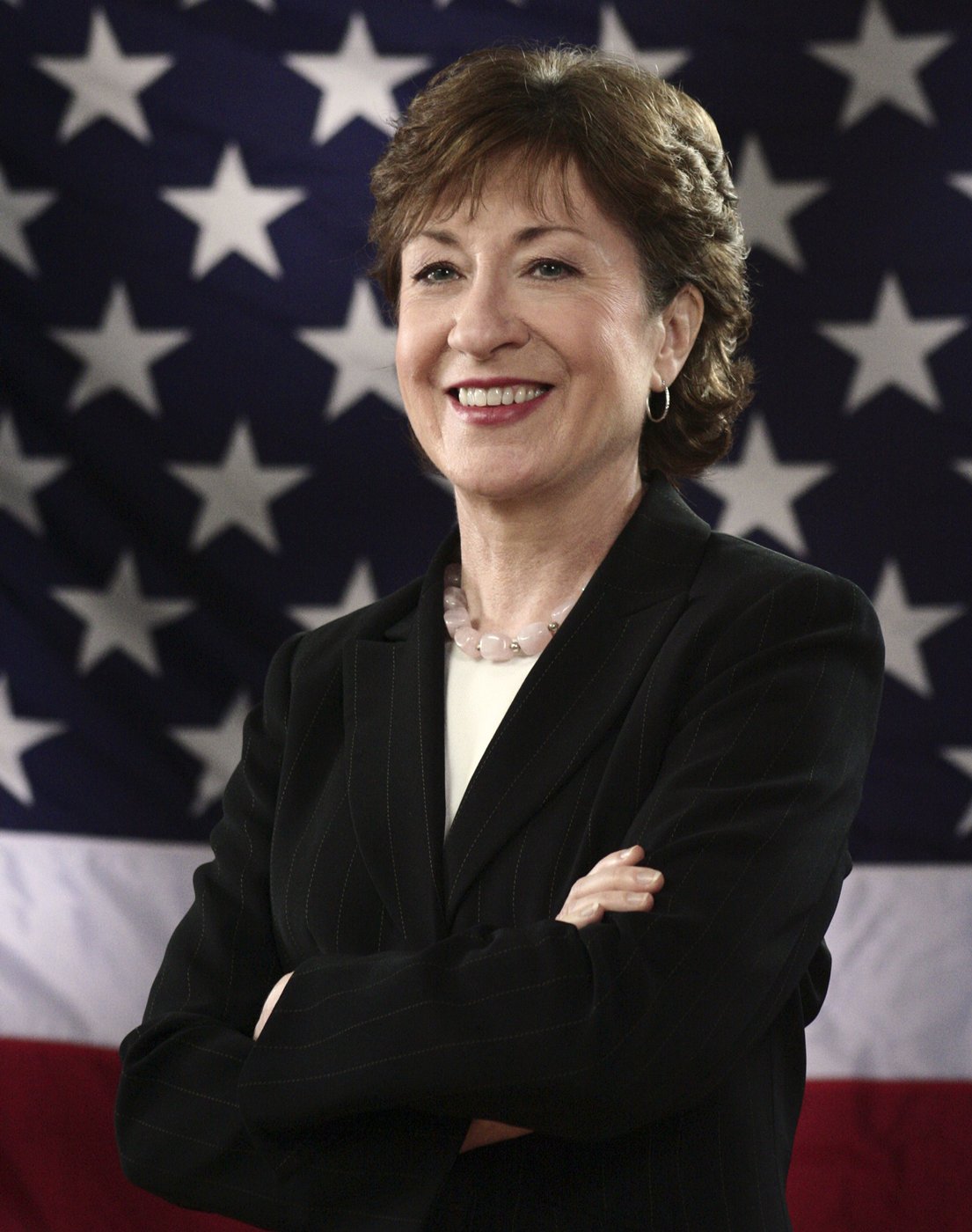
Senator Susan Collins (R-Maine) said she does not regret her 2018 vote to confirm Justice Brett Kavanaugh to the U.S. Supreme Court.
The statement comes as Collins faces scrutiny during her re-election campaign this month regarding the eventual overturning of federal abortion protections. The tension centers on whether the senator was misled by the nominee or if her vote directly contributed to a shift in the court's ideological balance.
Collins previously said she was confident that Justice Kavanaugh would not overturn Roe v. Wade [2]. This confidence was expressed in June 2022, following the Dobbs v. Jackson Women’s Health Organization decision on June 24, 2022 [2], which ended the constitutional right to abortion [2].
During her current campaign in June 2026, Collins reiterated her position on the confirmation process [3]. She said she was misled about the nominee's stance on Roe v. Wade and expressed disappointment that the decision was reversed [1]. Despite this disappointment, she said, "I don’t regret voting for Justice Kavanaugh" [1].
Critics have challenged the senator's narrative regarding her role in the court's composition. Leah Litman, speaking via Pod Save America, said Collins’ claim that her vote did not lead to the overturning of Roe is misleading.
Kavanaugh was confirmed to the court in 2018 [1]. The subsequent 2022 ruling shifted the legal landscape for reproductive rights across the U.S., leading to a wave of state-level bans, and legal challenges. Collins has maintained that her decision was based on the information available at the time of the hearing.
“"I don’t regret voting for Justice Kavanaugh."”
The persistence of Senator Collins' defense of her 2018 vote highlights the ongoing political friction between moderate Republicans and their constituents over judicial appointments. By framing herself as misled rather than complicit, Collins attempts to maintain her political viability in Maine while the U.S. legal system continues to grapple with the fallout of the Dobbs decision.


