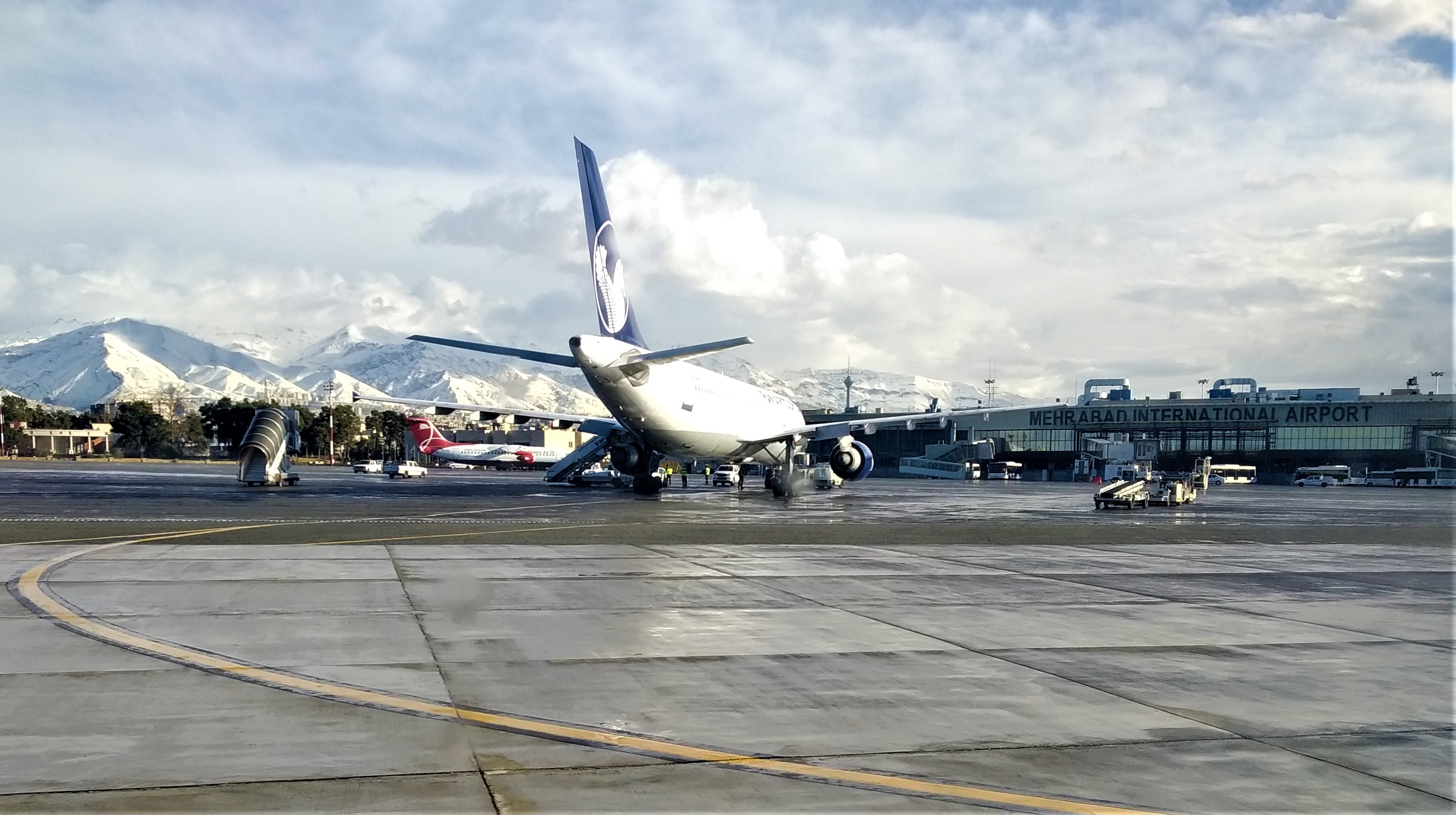
Flights between Tehran and Dubai are scheduled to resume on Monday [1].
The restoration of this air route marks a significant shift in regional movement after a period of high tension between Iran and the United Arab Emirates. The suspension of flights followed a series of drone and missile strikes launched by Iran against UAE targets during the recent Middle East war [1].
Air travel between the two cities serves as a critical link for commerce and diplomacy in the Gulf region. The pause in operations disrupted the flow of passengers and goods, a connection that has historically remained vital despite political volatility.
Iranian media reported the decision to restart the route [1]. The move comes as both nations navigate the aftermath of the recent conflict, which saw direct military engagement involving unmanned aerial vehicles and missiles [1].
Officials have not yet released a full schedule of the returning flights. However, the resumption suggests a tactical easing of restrictions on civilian aviation between the two capitals [1]. The timing of the restart is intended to stabilize regional transit and restore basic connectivity for travelers moving between the Iranian capital and the UAE hub [1].
This development follows weeks of instability where the airspace was restricted due to security threats [1]. The return of commercial aviation is a primary indicator of shifting security assessments on the ground in both Tehran and Dubai [1].
“Flights between Tehran and Dubai are scheduled to resume on Monday”
The resumption of flights between Tehran and Dubai indicates a move toward normalizing civilian infrastructure after direct military conflict. While the restart of air travel suggests a decrease in immediate tactical risk, it does not necessarily signal a full diplomatic resolution between Iran and the UAE following the recent drone and missile attacks.


