President Donald Trump's nominee for Attorney General, Todd Blanche, faced questioning during Senate hearings on Thursday regarding department funds and past associations.
The confirmation process is critical as it determines who will lead the U.S. Department of Justice and oversee the administration's legal strategies. Blanche has served as the Acting Attorney General for approximately two months [1].
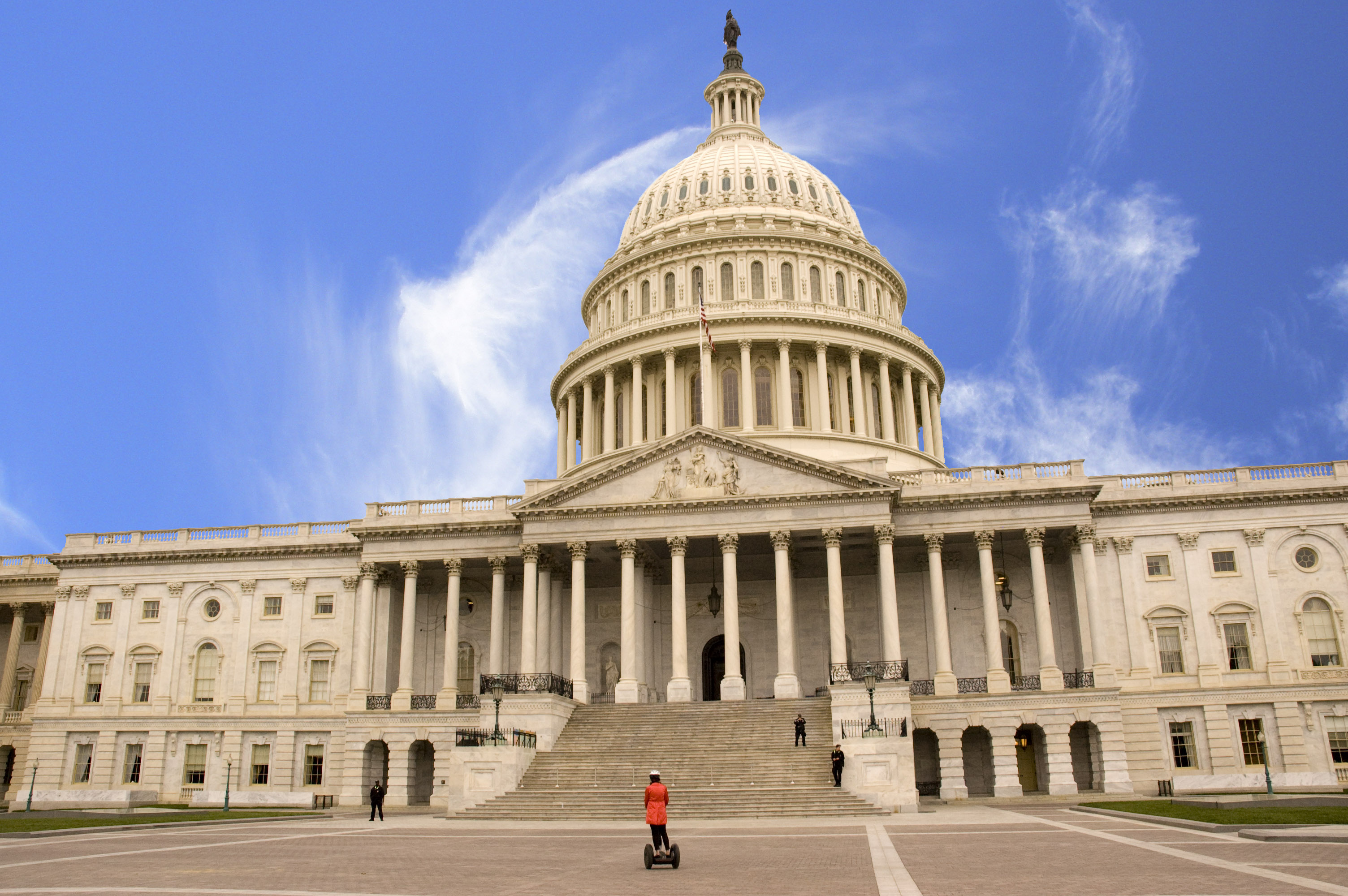
During a Senate Appropriations Subcommittee hearing on Capitol Hill, lawmakers pressed Blanche on the administration of a $1.8 billion [2] compensation fund. The fund is designed to assist those the administration describes as victims of "weaponization" within the legal system.
Sen. Chris Coons (D-DE) questioned the criteria for the fund, asking, "Can you clarify who is eligible to receive compensation from the DOJ's anti‑weaponization fund?" [3]
Blanche said the $1.8 billion [2] fund is intended to compensate victims of weaponization, regardless of political affiliation [4]. However, critics have raised concerns that the fund could be used to benefit political allies of the president.
Beyond the financial controversy, Blanche has faced scrutiny over alleged past connections to Jeffrey Epstein. These allegations have contributed to uncertainty among some Republican lawmakers regarding his ability to secure the necessary votes for confirmation.
Sen. John Thune (R-SD) expressed doubt about the nominee's path forward. "It's hard to say whether he can survive a nomination fight on Capitol Hill," Thune said [5].
The nomination was officially announced on June 3, 2024 [6]. The subsequent hearings on June 4, 2024 [6], highlighted a deep partisan divide over Blanche's suitability to lead the nation's top law enforcement agency.
“"The $1.8 billion fund is intended to compensate victims of weaponization, regardless of political affiliation."”
The scrutiny facing Todd Blanche reflects a broader struggle over the independence of the Department of Justice. By focusing on the 'anti-weaponization' fund and past associations, the Senate is debating whether the DOJ will function as a neutral arbiter of law or as a tool for the executive branch to reward allies and penalize opponents.