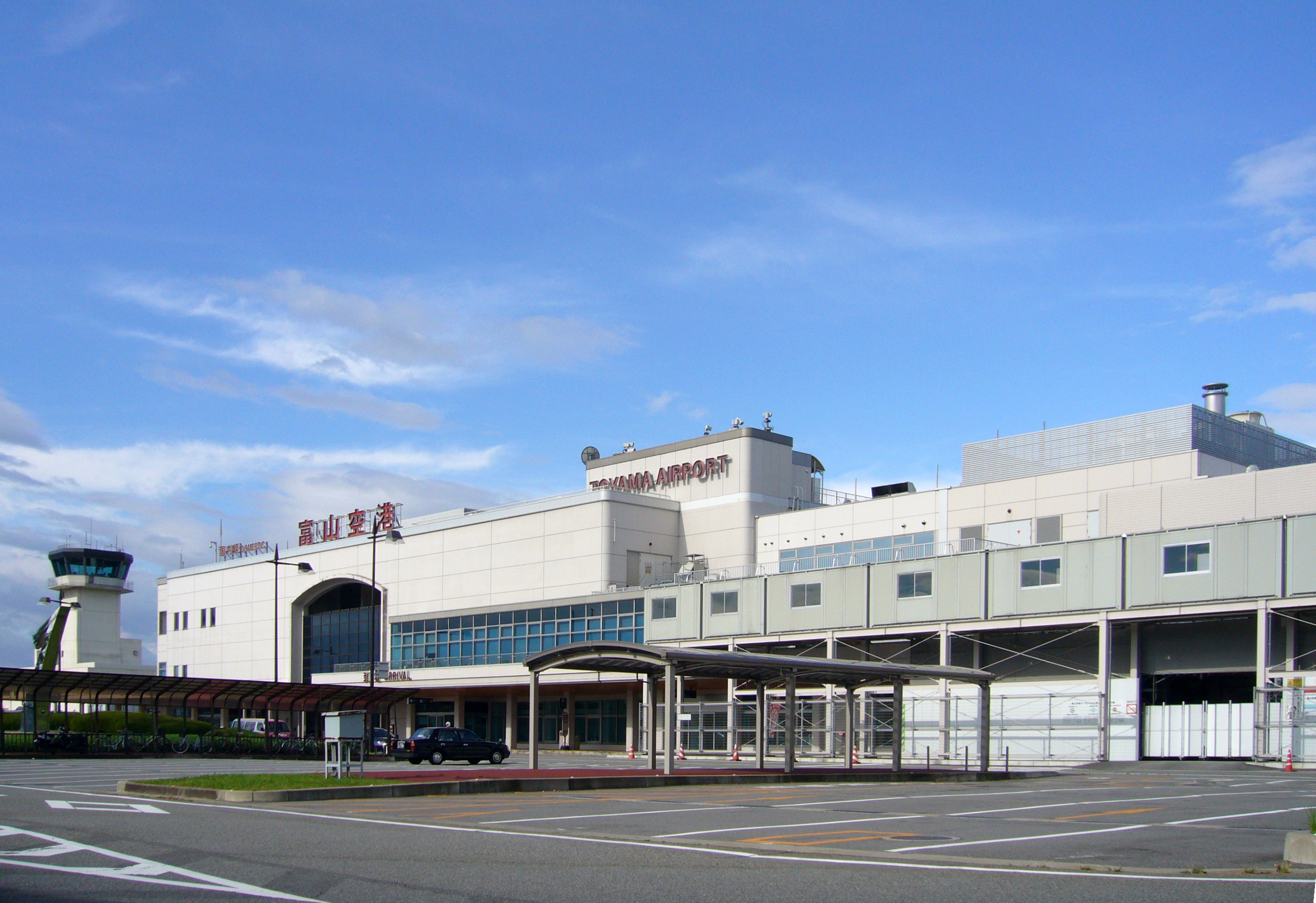
Toyama Prefecture Governor Hachiro Nitta said Wednesday that Toyama Airport will adopt the nickname “Toyama Takayama Sushi Airport” [1].
The rebranding aims to increase international recognition and capture a larger share of the inbound tourism market. By integrating the global popularity of sushi and the appeal of the neighboring Takayama region, officials hope to divert more foreign travelers to the prefecture.
Governor Nitta said the new nickname will be used as “Toyama Takayama Sushi Airport” or “Toyama Takayama Sushi Airport” in its Japanese forms, *Toyama Takayama Sushi Kuko* and *Toyama Takayama Sushi Airport* [1]. The move targets visitors who are already drawn to the Takayama area, which attracts approximately one million foreign overnight visitors annually [1].
Airport authorities intend to use the global fame of these cultural markers to make the gateway more appealing to non-Japanese speakers. A spokesperson for Toyama Airport said the goal is to capture inbound guests by utilizing the existing international awareness of these terms [2].
The announcement on July 8 [1] follows earlier discussions regarding the modification of the airport's previous branding. While some reports previously suggested various combinations of “sushi” and “Takayama” during the proposal stage, the current announcement formalizes the specific naming convention [3].
The governor's strategy relies on the synergy between the airport's location and the regional draw of the Hida-Takayama area. By explicitly linking the airport to sushi and Takayama, the prefecture is attempting to simplify the travel destination's identity for international tourists who may not be familiar with Toyama City specifically [1].
“The new nickname is ‘Toyama Takayama Sushi Airport’”
This rebranding represents a shift toward 'destination marketing' where a transit hub adopts the identity of the region's most famous exports and nearby attractions. By prioritizing globally recognized keywords like 'sushi' and 'Takayama' over the city's name alone, Toyama is attempting to reduce the friction for international tourists in the discovery and booking process.


