
Attorneys for Tyler Robinson asked a Utah judge Friday to remove the death penalty as an option in the case against him [1], [2].
The request follows allegations that prosecutors improperly discussed evidence with the media, which the defense argues could prejudice the trial of the 23-year-old man accused of killing conservative influencer Charlie Kirk [1], [2].
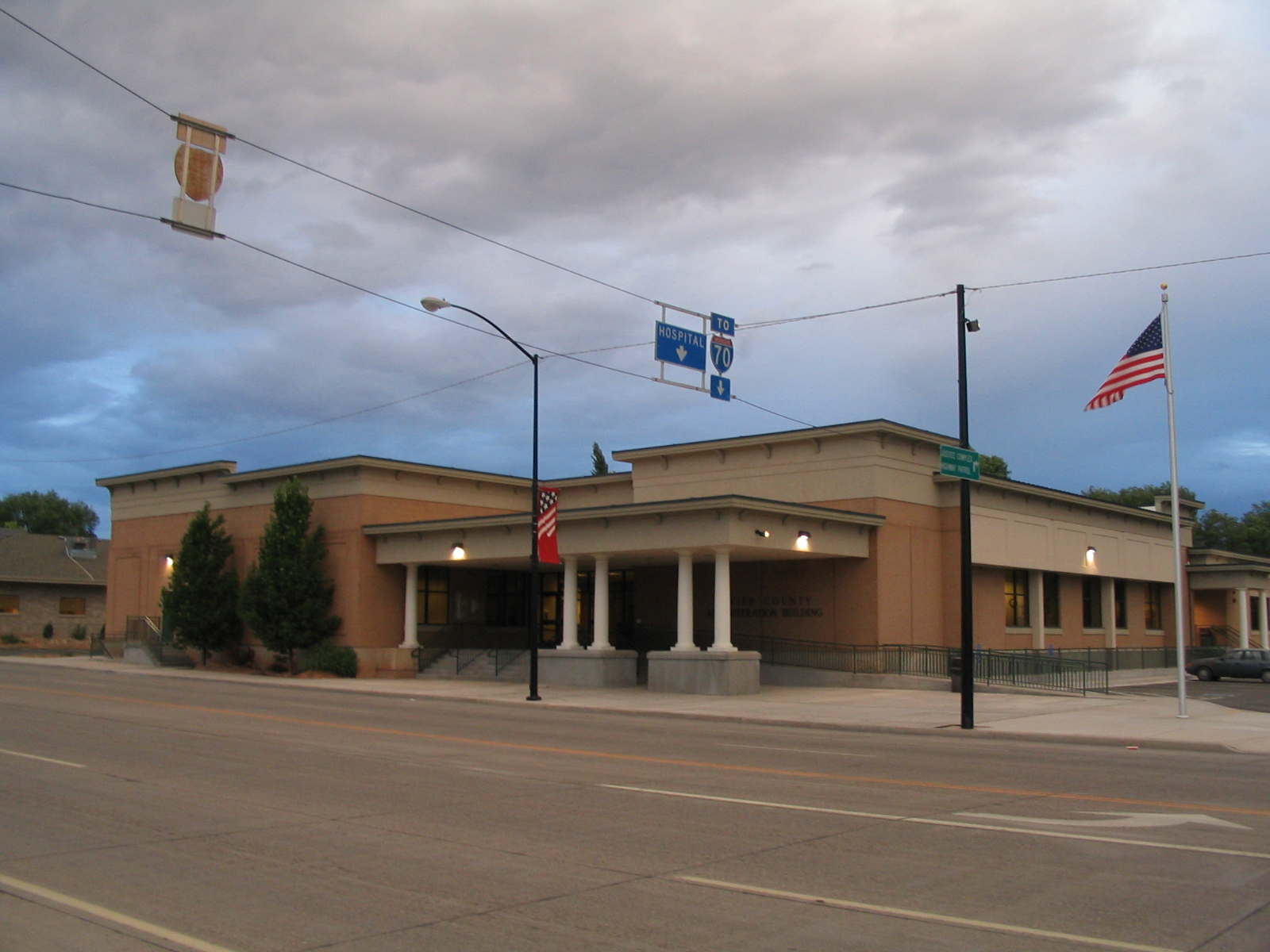
Robinson appeared before Judge Tony Graf Jr. at the Fourth District Court in Utah County for an evidentiary hearing on June 12, 2026 [1], [3]. The proceedings began at 11 a.m. Eastern Time [1].
During the hearing, defense attorneys requested that the court hold prosecutors from the Utah County Attorney's Office in contempt [2], [3]. The defense said prosecutors discussed specific bullet-fragment evidence in the media before the evidence was properly handled in court [2].
Legal representatives for Robinson said that these public comments jeopardize the defendant's right to a fair trial. They said that the breach of protocol was severe enough to warrant both sanctions against the prosecution, and the removal of the death penalty as a potential sentence [2], [3].
The prosecution has not yet provided a formal response to the contempt charges in the public record. Judge Graf Jr. is tasked with determining if the prosecutors' comments constituted a violation of court rules or legal ethics [2].
This case has drawn significant national attention due to the profile of the victim. The court must now balance the high-profile nature of the crime with the procedural requirements of the U.S. legal system to ensure the trial remains impartial [2], [3].
“Defense attorneys requested that the court hold prosecutors from the Utah County Attorney's Office in contempt.”
This legal maneuver highlights a critical tension between the public's right to information in high-profile cases and the defendant's right to a fair trial. If the judge finds that prosecutors improperly leaked evidence to the media, it could lead to sanctions or a reduction in potential sentencing, potentially preventing the state from seeking the death penalty regardless of the trial's outcome.


