
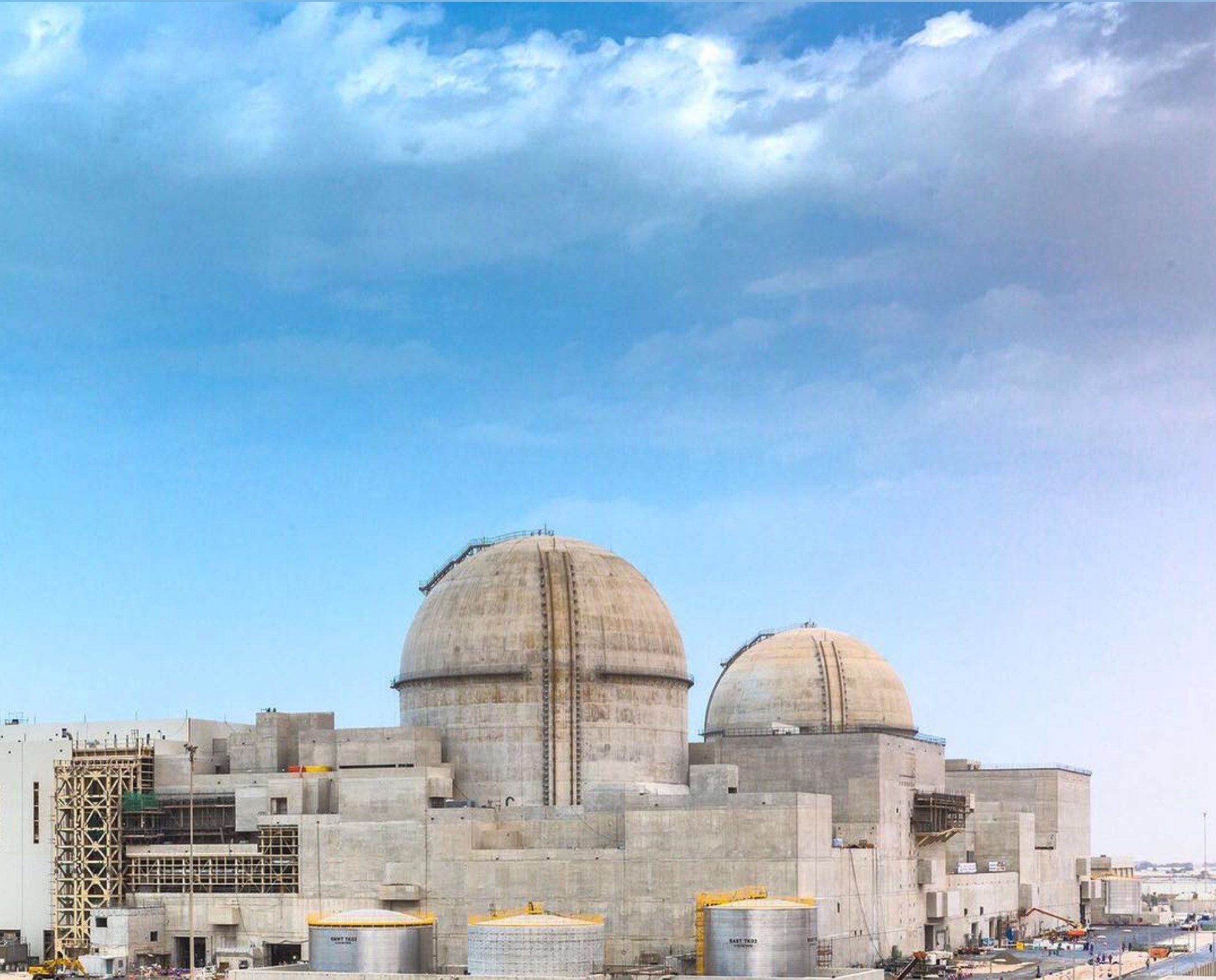
An unidentified drone struck an electrical generator at the Barakah nuclear power plant in the United Arab Emirates on Sunday [1].
The incident marks the first attack on an Arab nuclear site, signaling a potential escalation in regional tensions as the U.S. and Iran negotiate over a regional war [1, 2].
The strike occurred on May 17, 2026 [1], in the Al Dhafra region of the Abu Dhabi emirate [1, 2]. According to reports, the drone hit a generator and ignited a fire [3].
Officials said there were zero injuries following the attack [2]. There were no radiation leaks reported from the facility [2].
While the operator of the drone has not been identified, analysts said the strike was intended as a symbolic warning to the UAE and its Gulf allies [1, 2]. The attack targeted critical infrastructure but avoided the reactor cores, which suggests a calculated effort to demonstrate capability without triggering a catastrophic nuclear event.
The UAE has invested heavily in the Barakah plant to diversify its energy sector. The sudden vulnerability of the site to unmanned aerial vehicles raises questions about the security perimeter of nuclear installations in the Gulf region, a zone already fraught with geopolitical instability.
Regional security forces have not yet released a formal statement regarding the origin of the drone or the specific nature of the aircraft used in the strike [1, 2].
“The incident marks the first attack on an Arab nuclear site.”
This attack demonstrates a shift in the risk profile for Gulf energy infrastructure, moving from traditional maritime threats to aerial incursions. By targeting a non-critical generator rather than a reactor, the attacker signaled a precise ability to penetrate high-security zones without causing a meltdown, likely intended to pressure the UAE's diplomatic position during ongoing Iran-U.S. negotiations.


