
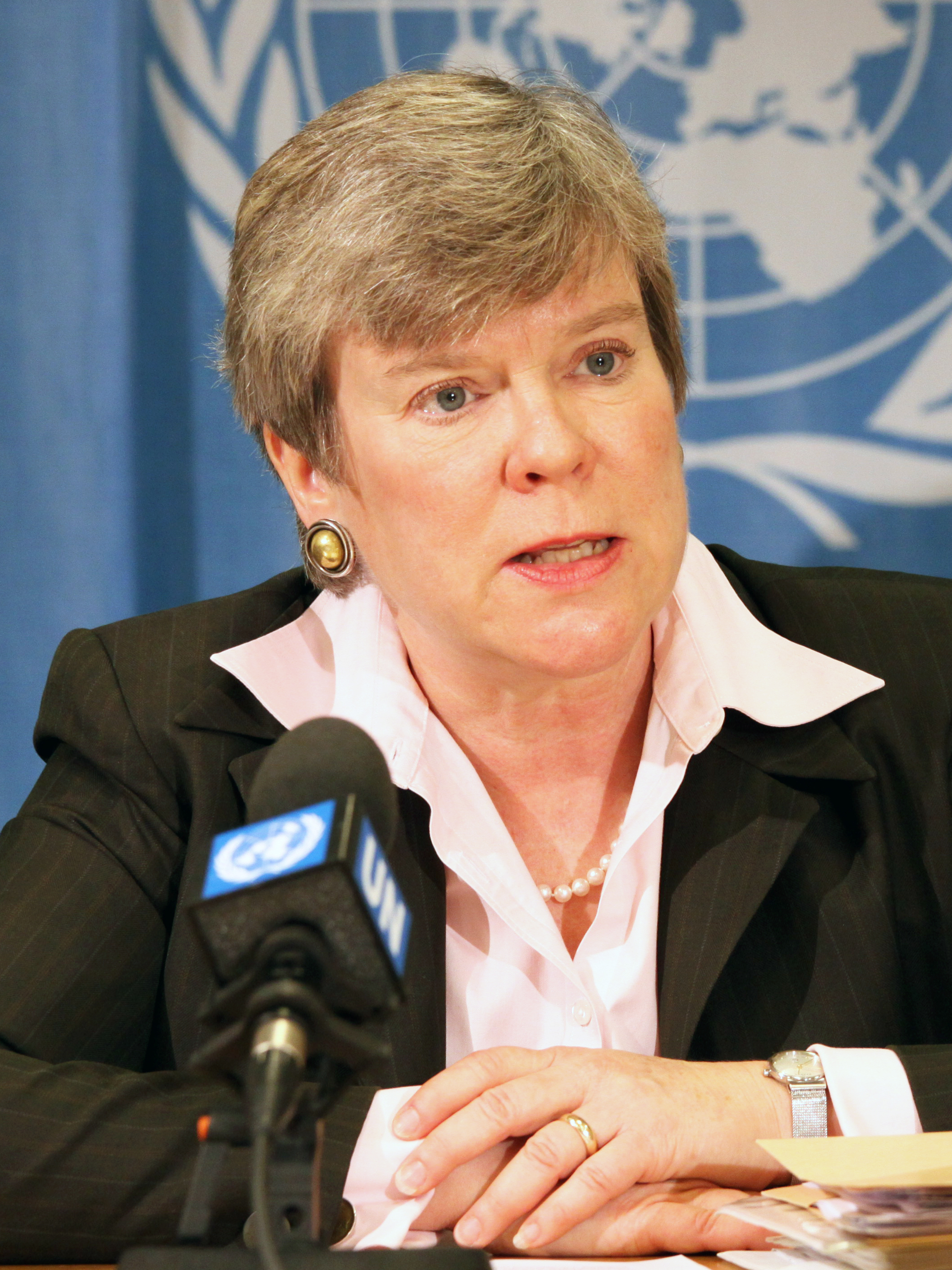
Four candidates for the position of United Nations secretary-general participated in a live televised debate in Geneva, Switzerland [1].
The event provides member states and the global public a rare opportunity to hear the candidates' platforms directly before the 2026 election [3]. This process is critical as the organization seeks a leader to navigate increasing global instability and institutional reform.
The participants included Michelle Bachelet of Chile, Rafael Grossi of Argentina, Rebeca Grynspan of Costa Rica, and Macky Sall of Senegal [1, 2]. The debate was moderated by the BBC's Zeinab Badawi, who guided the discussion on the roles and responsibilities of the world's top diplomat [1].
With four [1] candidates appearing on stage, the debate focused on the strategic vision for the UN's future. The candidates addressed the challenges of international cooperation and the specific needs of member states in the current geopolitical climate [1, 2].
The election comes at a pivotal time for the international body. The term for the next secretary-general is scheduled to begin on Jan. 1, 2027 [3]. This timeline puts pressure on the candidates to establish clear mandates and build coalitions among the UN's member nations during the remaining months of 2026.
Geneva served as the backdrop for the encounter, emphasizing the city's role as a hub for international diplomacy [1, 2]. The televised format was designed to increase transparency in a selection process that has historically been conducted behind closed doors.
“Four candidates for the position of United Nations secretary-general participated in a live televised debate in Geneva.”
The move toward a televised, public debate signifies a shift toward greater transparency in the UN's leadership selection process. By allowing candidates to present their platforms openly, the UN is attempting to modernize its image and ensure the next secretary-general possesses a mandate that is visible to the global public, not just the Security Council.



