
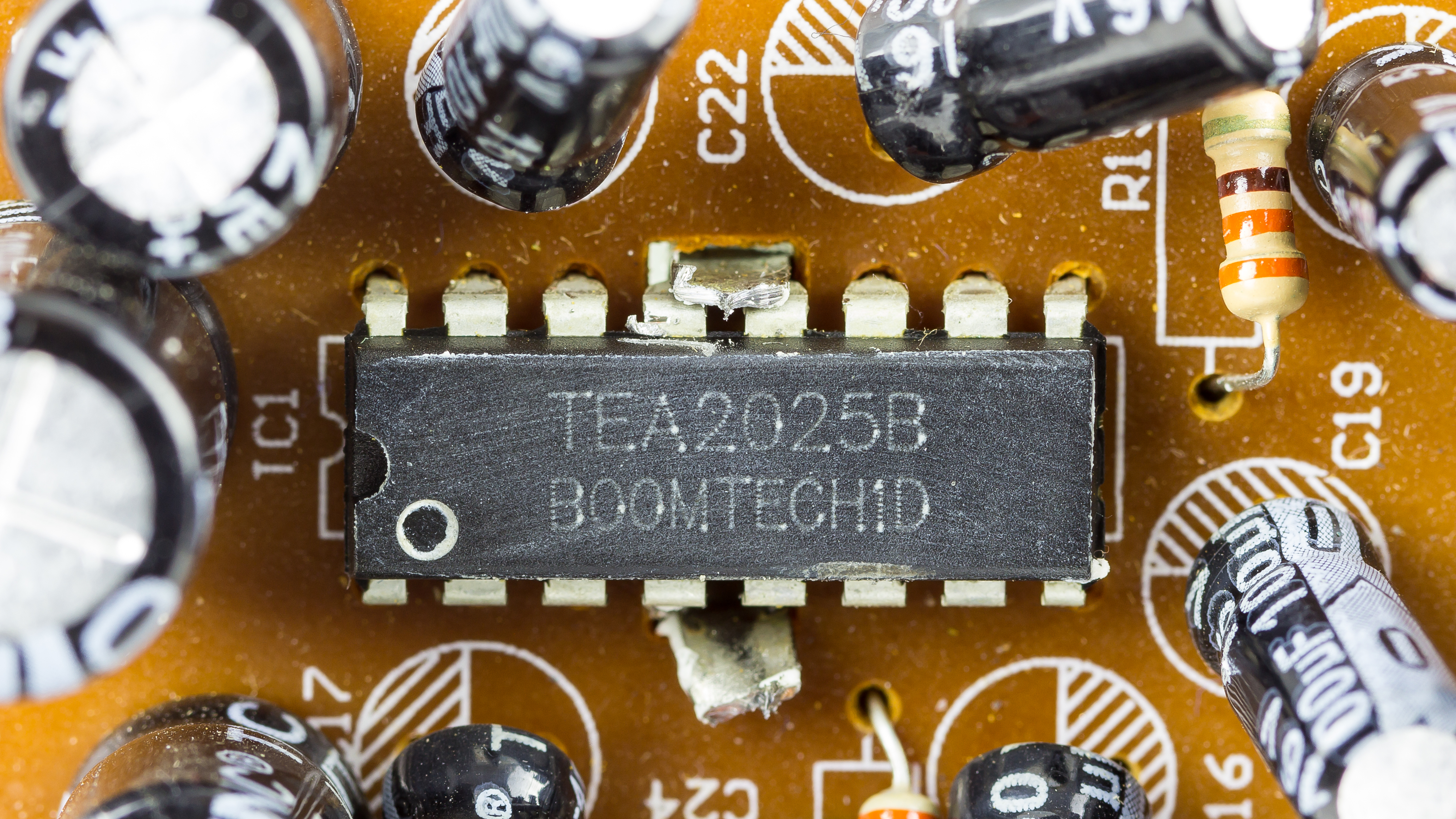
The U.S. government is warning that reliance on Chinese-made printed circuit boards for AI chips creates significant national security and supply-chain vulnerabilities [1].
This dependency matters because printed circuit boards, or PCBs, serve as the foundation for nearly all AI hardware. If these components are compromised or the supply is cut, the entire AI infrastructure of major tech firms could be at risk [1, 2].
PCBs sit beneath virtually every AI chip, acting as a critical point of failure [1, 3]. The U.S. is concerned that this reliance exposes the country to the risk of malicious components being embedded in the hardware. Such vulnerabilities could allow for espionage or the remote disabling of critical systems [1, 2].
Major industry players, including Nvidia, Google, and Apple, utilize these components in their chip architectures [1]. While the chips themselves are often the focus of trade restrictions, the boards they sit on remain a hidden link to Chinese manufacturing [1].
Geopolitical tensions have increased the urgency for the U.S. to diversify its hardware sources. Experts said that foreign production of these boards increases the risk of sudden supply disruptions [1, 3].
"Printed circuit boards sit underneath nearly every chip, a quiet but crucial piece of the booming AI market," CNBC editorial said [1].
The current strategy involves identifying these hidden risks to prevent a systemic failure in the AI supply chain [1, 2].
“Printed circuit boards sit underneath nearly every chip, a quiet but crucial piece of the booming AI market.”
The focus of the U.S.-China tech war is shifting from high-level chip design and lithography to the fundamental hardware substrates. By identifying PCBs as a vulnerability, the U.S. is acknowledging that controlling the processor is insufficient if the underlying circuitry is manufactured by a geopolitical rival, potentially leading to new tariffs or subsidies for domestic PCB production.


