The U.S. House of Representatives approved a $70 billion [1] immigration enforcement funding bill on Tuesday, June 9, 2026.
This legislation represents a significant escalation in the Republican agenda to tighten border security and increase interior enforcement. By securing multi-year funding, the House aims to stabilize the operational budgets of the nation's primary immigration agencies without relying on short-term extensions.
Led by House Republicans, the bill allocates specific sums to two primary agencies. Immigration and Customs Enforcement (ICE) is slated to receive $38 billion [2], while Customs and Border Protection (CBP) is allocated $26 billion [3]. These funds are intended to support the agencies in executing stricter enforcement protocols across the country.
The funding period is designed to cover the remainder of President Donald Trump’s term [4]. Some reports specify this window as the next three years [5]. This timeline ensures that the administration's immigration priorities remain funded through the end of the current presidential cycle.
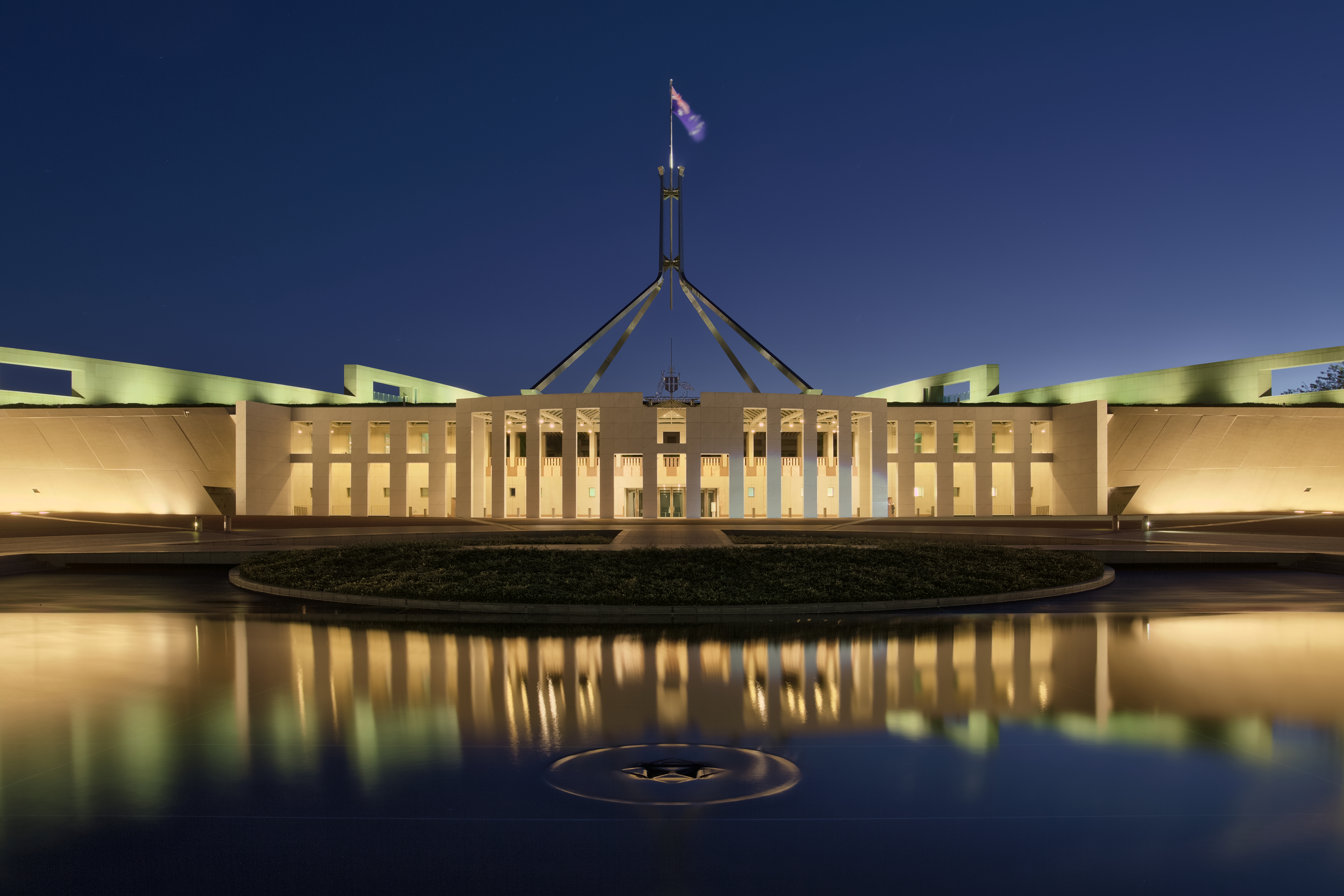
The bill passed at the U.S. Capitol in Washington, D.C. It focuses on providing the financial resources necessary to expand the capacity of the Border Patrol, and increase the number of interior enforcement actions. The move is part of a broader strategy to reduce illegal immigration through increased surveillance and personnel presence.
Opponents of the bill have raised concerns regarding the scale of the spending and the focus on enforcement over other immigration processing needs. However, the Republican majority pushed the measure forward to ensure the administration has the tools required to manage the border as promised.
“The U.S. House of Representatives approved a $70 billion immigration enforcement funding bill”
The passage of this bill signals a legislative commitment to a high-intensity enforcement model for the duration of the current administration. By earmarking $70 billion over several years, the U.S. government is shifting away from discretionary annual budget battles toward a fixed, long-term financial strategy for border and interior security.