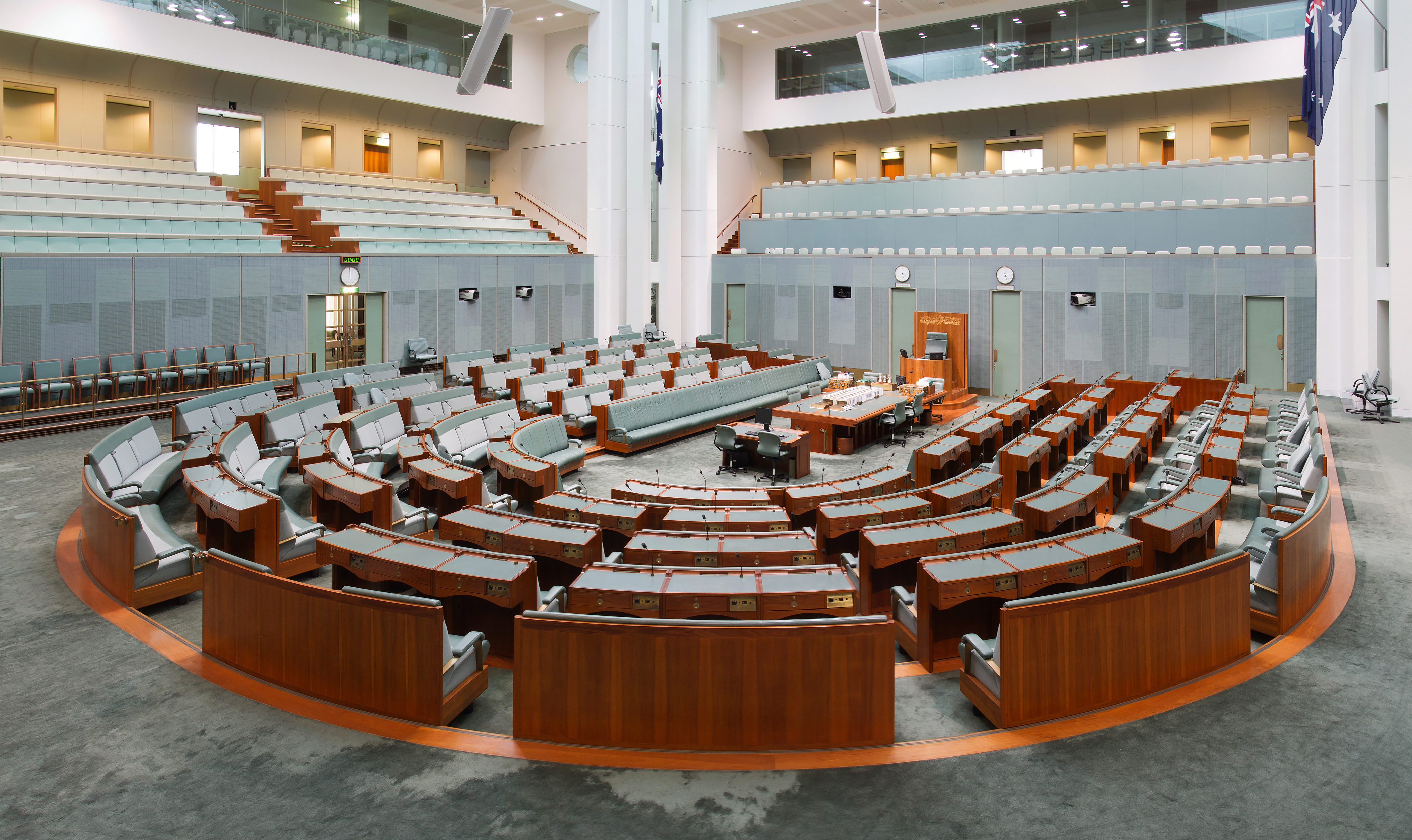
The U.S. House of Representatives voted on a resolution to limit President Donald Trump's war powers and withdraw American troops from the Iran war.
The measure represents a significant political effort to constrain executive authority during an unpopular conflict. If enacted, it would signal a legislative push to end military involvement as diplomatic talks stall.
Reports regarding the outcome of the vote on May 14, 2026 [2], are contradictory. Some sources said the House passed the resolution with a vote of 215-208 [1]. These reports indicate that four Republican members joined Democrats to secure the majority.
Conversely, Reuters said that the House narrowly defeated the Democratic-led resolution [2]. The discrepancy between these reports highlights the tension surrounding the legislative attempt to send a political message to the president.
The resolution sought to mandate the withdrawal of U.S. forces and curtail the president's ability to engage in further military escalation. Proponents of the measure said the vote was intended to send a loud and unambiguous message to the administration.
Legislators gathered at the U.S. Capitol in Washington, D.C., to debate the resolution. The move comes amid growing public dissatisfaction with the ongoing conflict and a perceived lack of progress in negotiations.
“The House voted on a resolution to limit President Donald Trump's war powers.”
The conflicting reports on the vote outcome underscore a deep divide in the U.S. government regarding the Iran war. Whether the resolution passed or failed, the narrow margin of the reported 215-208 vote indicates that the Republican party is no longer a monolithic bloc in support of the administration's military strategy, suggesting a growing legislative appetite for ending the conflict.