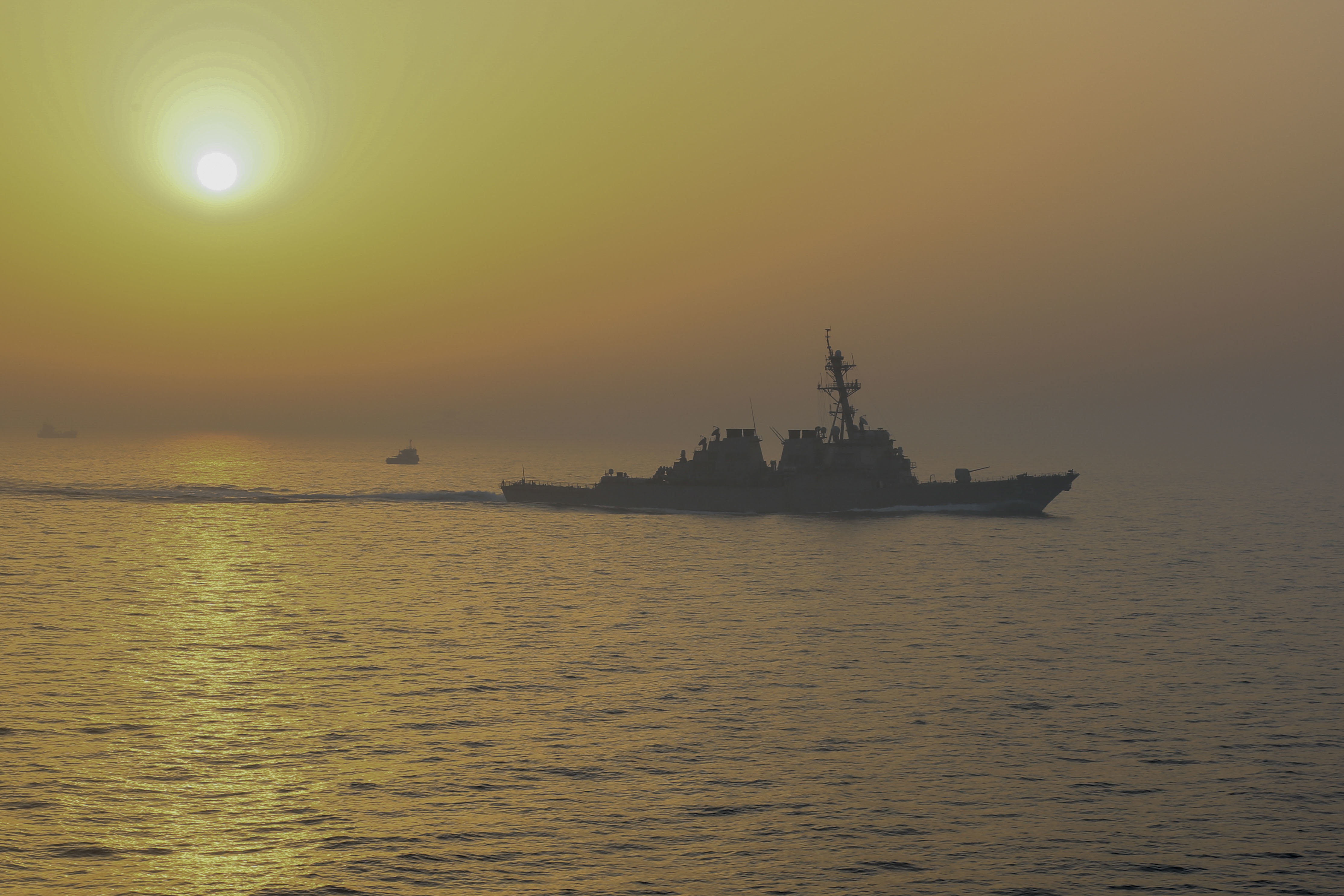
The United States resumed air strikes against Iran on Tuesday, July 12 [3], triggering retaliatory attacks from Tehran across the Gulf region.
This escalation threatens the stability of global energy markets and increases the risk of a full-scale war between the U.S. and Iran. The conflict centers on the Strait of Hormuz, a critical maritime chokepoint for oil shipments.
Iran responded to the U.S. bombing by attacking five Gulf nations [2]. These retaliatory measures included the shutdown of the Strait of Hormuz, an action Iran said was intended to pressure the United States after the reinstatement of a naval blockade.
Reports indicate that Iranian forces targeted several Gulf Cooperation Council states and allegedly aimed for American military installations throughout the Middle East. The U.S. has also threatened a 20 percent toll on ships passing through the Strait of Hormuz [1].
While some reports link the Iranian retaliation to a U.S. bombing campaign, other accounts suggest the response may have been triggered by Israeli strikes. The precise catalyst for the current wave of violence remains a point of contention among regional observers.
U.S. forces continued their air operations through July 13 [3]. The region remains on high alert as both sides maintain military positions in and around the Gulf waters. The naval blockade and the subsequent closure of the strait have disrupted shipping lanes, raising concerns about international trade, and fuel prices.
“Iran responded to the U.S. bombing by attacking five Gulf nations.”
The simultaneous use of air strikes and naval blockades indicates a shift toward high-intensity conflict. By targeting both Gulf allies and U.S. bases while closing the Strait of Hormuz, Iran is attempting to leverage global economic anxiety to force a U.S. military withdrawal. The threat of a shipping toll further complicates the diplomatic landscape, turning a security crisis into a financial one for global commerce.


