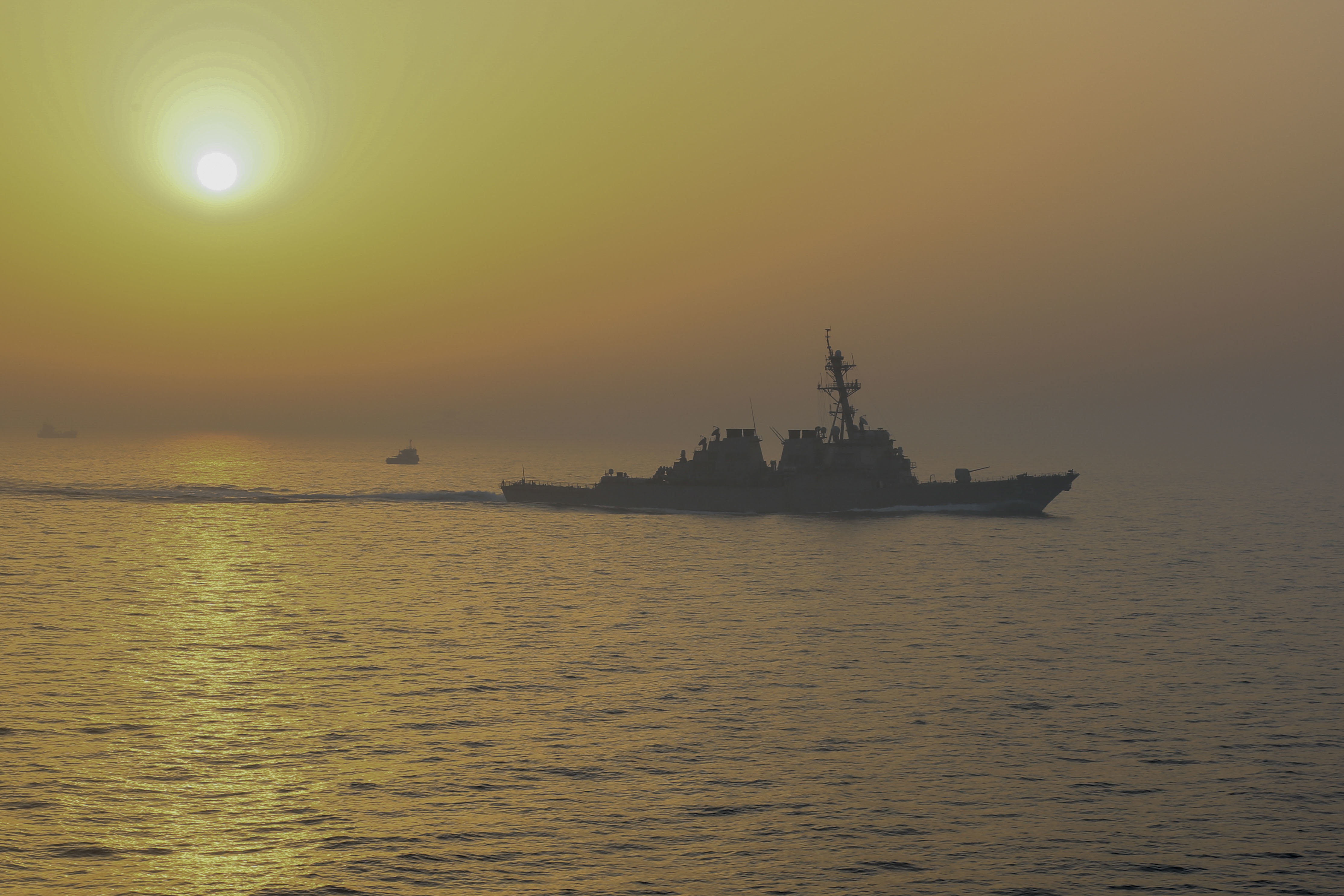
The United States conducted military strikes against targets in Iran on June 26, 2026 [1], as regional tensions in West Asia intensify.
This escalation threatens the stability of the Strait of Hormuz, a critical maritime corridor for global energy supplies. The shift from diplomatic engagement to military action increases the risk of a broader regional conflict involving Israel and Pakistan.
The military action followed a period of fragile diplomacy. On June 16, 2026, reports indicated that talks between the U.S. and Iran would likely begin later that week [2]. However, other reports citing Iranian officials said that these diplomatic discussions were postponed [3].
The friction stems from long-standing disputes over Iran's nuclear programme and the implementation of sanctions relief [3]. Military posturing has increased as both nations navigate a cycle of mistrust. Iran has warned Israel of a response if its own infrastructure is attacked, though it said diplomatic channels with the U.S. remain open [3].
Regional actors are attempting to mediate the crisis. Pakistan has pushed for a diplomatic role to prevent further escalation as the situation deteriorates [4]. The focus remains on the maritime zones surrounding the Strait of Hormuz, where the potential for naval confrontations is highest [5].
U.S. officials and Iranian leadership continue to clash over the legitimacy of recent strikes and the preconditions for returning to the negotiating table [5]. The lack of a clear diplomatic roadmap has left the region on edge, with military assets deployed in anticipation of further strikes [1].
“The United States conducted military strikes against targets in Iran on June 26, 2026.”
The transition from scheduled diplomatic talks to active military strikes suggests a breakdown in communication between Washington and Tehran. By targeting Iranian positions, the U.S. is utilizing a strategy of maximum pressure, while Iran's warnings to Israel indicate a readiness to expand the conflict beyond a bilateral dispute. The involvement of Pakistan as a mediator highlights the international concern that a full-scale war in West Asia would disrupt global trade and energy security.