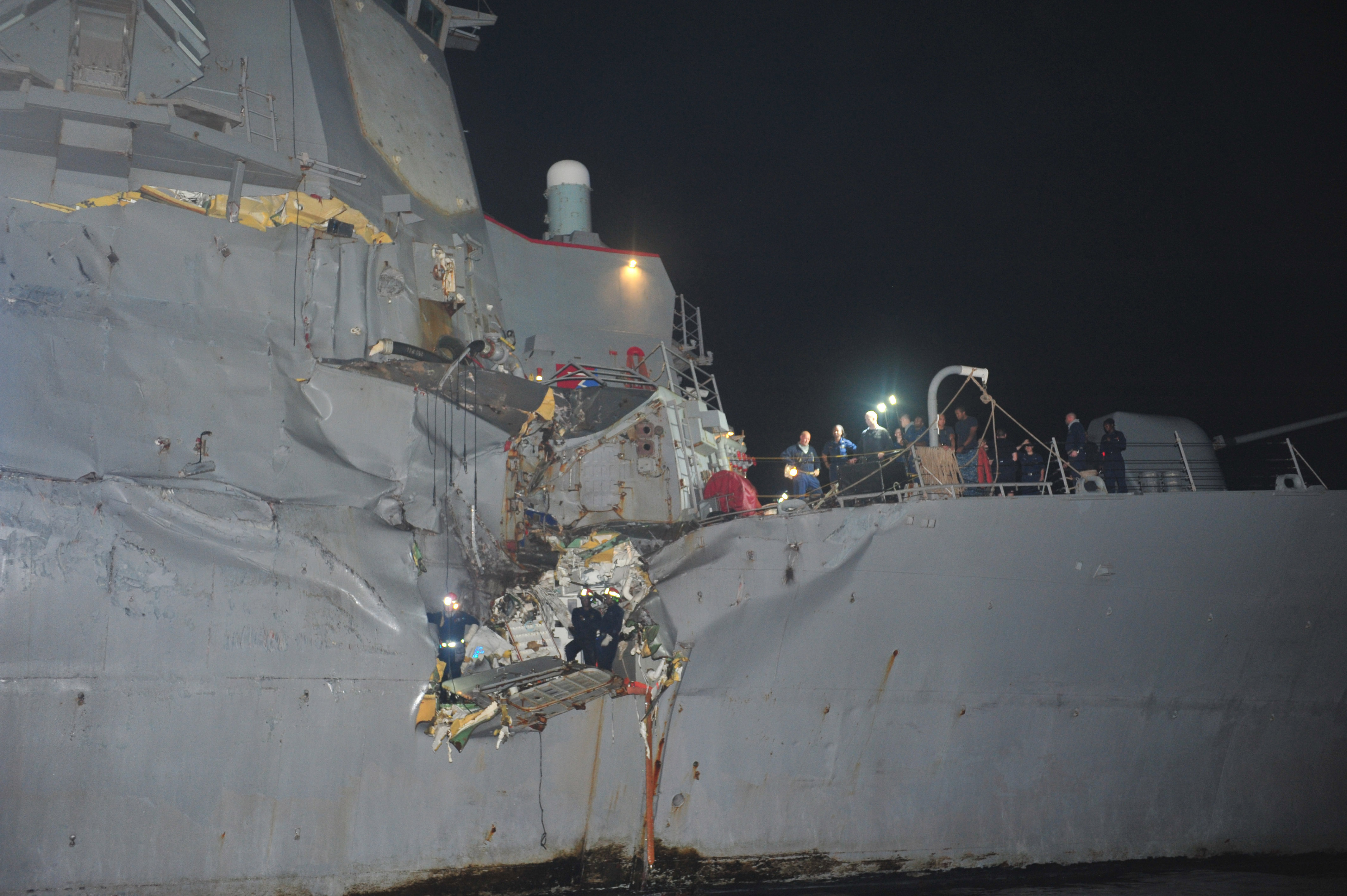
The United States launched additional airstrikes against Iran after Iranian forces attacked a commercial vessel in the Strait of Hormuz [1].
These strikes mark a significant escalation in a region critical to global energy supplies. Because the Strait of Hormuz is a narrow waterway between Oman and Iran, any military conflict there threatens the flow of international shipping and global oil markets.
U.S. Central Command said the operations followed an Iranian strike that hit one commercial tanker [2]. The initial U.S. response began on June 27, 2026 [3], with follow-up strikes reported in early July 2026 [4]. The military action was intended to retaliate for the attack on the container ship and to deter further aggression in the waterway [1].
The current volatility follows a period of intense conflict that lasted nearly four months [5]. In an attempt to stabilize the region, the United States and Iran signed a 60-day truce [5]. However, reports on the success of this agreement vary.
Some accounts suggest that shipping through the Strait of Hormuz began returning to normal one week after the truce was signed [5]. Conversely, other reports indicate that U.S. forces intensified attacks over the Strait in early July, effectively undermining the ceasefire [4].
The U.S. said its strikes are necessary responses to Iranian provocations. The continued use of projectiles against commercial shipping has turned the narrow corridor into a high-risk zone for international maritime trade.
“The United States launched additional airstrikes against Iran after Iranian forces attacked a commercial vessel”
The contradiction between the reported 60-day truce and the subsequent U.S. airstrikes suggests a breakdown in diplomatic channels. If the U.S. continues to prioritize military deterrence over the ceasefire, the Strait of Hormuz may remain a volatile zone, potentially leading to higher insurance costs for shipping and increased global oil price volatility.
'%2F%3E%0A%20%20%20%20%3Crect%20width%3D'1600'%20height%3D'900'%20fill%3D'url(%23v)'%2F%3E%0A%20%20%20%20%3Cg%20opacity%3D'0.08'%20fill%3D'%23ffffff'%3E%0A%20%20%20%20%20%20%3Ccircle%20cx%3D'1420'%20cy%3D'180'%20r%3D'220'%2F%3E%0A%20%20%20%20%20%20%3Ccircle%20cx%3D'1500'%20cy%3D'760'%20r%3D'120'%2F%3E%0A%20%20%20%20%3C%2Fg%3E%0A%20%20%20%20%3Cline%20x1%3D'80'%20y1%3D'172'%20x2%3D'220'%20y2%3D'172'%20stroke%3D'%23ffffff'%20stroke-width%3D'3'%20stroke-opacity%3D'0.6'%2F%3E%0A%20%20%20%20%3Ctext%20x%3D'80'%20y%3D'140'%20font-family%3D'Inter%2C%20-apple-system%2C%20Helvetica%2C%20sans-serif'%20font-weight%3D'700'%20font-size%3D'28'%20fill%3D'%23ffffff'%20letter-spacing%3D'6'%3EHANNA%20%C2%B7%20NEWS%3C%2Ftext%3E%0A%20%20%20%20%3Ctext%20x%3D'80'%20y%3D'230'%20font-family%3D'Inter%2C%20-apple-system%2C%20Helvetica%2C%20sans-serif'%20font-weight%3D'600'%20font-size%3D'40'%20fill%3D'%23ffffffb3'%20letter-spacing%3D'4'%3EWORLD%3C%2Ftext%3E%0A%20%20%20%20%3Ctext%20x%3D'80'%20y%3D'622'%20font-family%3D'Playfair%20Display%2C%20Georgia%2C%20serif'%20font-weight%3D'800'%20font-size%3D'86'%20fill%3D'%23ffffff'%20letter-spacing%3D'-1'%3EWildfire%20Smoke%20Blankets%3C%2Ftext%3E%3Ctext%20x%3D'80'%20y%3D'721'%20font-family%3D'Playfair%20Display%2C%20Georgia%2C%20serif'%20font-weight%3D'800'%20font-size%3D'86'%20fill%3D'%23ffffff'%20letter-spacing%3D'-1'%3EToronto%2C%20Creating%20Worst%3C%2Ftext%3E%3Ctext%20x%3D'80'%20y%3D'820'%20font-family%3D'Playfair%20Display%2C%20Georgia%2C%20serif'%20font-weight%3D'800'%20font-size%3D'86'%20fill%3D'%23ffffff'%20letter-spacing%3D'-1'%3EGlobal%20Air%20Quality%3C%2Ftext%3E%0A%20%20%20%20%3Ctext%20x%3D'80'%20y%3D'870'%20font-family%3D'Inter%2C%20-apple-system%2C%20Helvetica%2C%20sans-serif'%20font-weight%3D'500'%20font-size%3D'22'%20fill%3D'%23ffffff66'%20letter-spacing%3D'2'%3Enews.hanna-ai.com%3C%2Ftext%3E%0A%20%20%3C%2Fsvg%3E)

