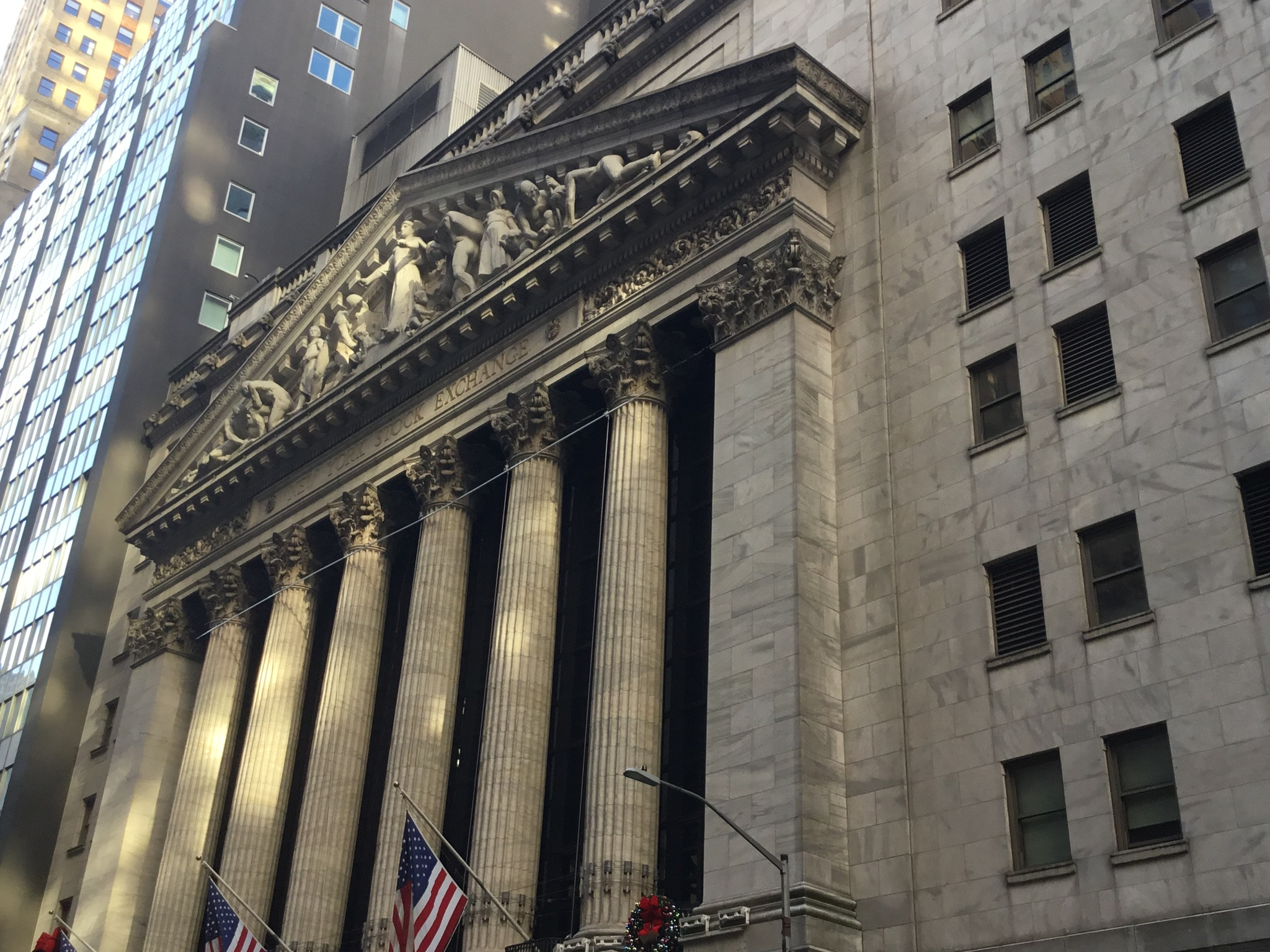
Wall Street investors are awaiting the U.S. July non-farm payroll employment report to assess the current health of the American economy [1].
The data is critical because it influences global markets and informs future monetary policy decisions. Market volatility is expected as traders determine if employment growth aligns with economic forecasts.
Analysts expect the report to show an increase of 112,000 new jobs [1]. This figure serves as a primary indicator of labor market strength and can trigger significant shifts in investor sentiment regarding interest rates and inflation.
Market indicators showed early signs of caution on Thursday. S&P 500 futures decreased by approximately 0.15% [2], and Dow Jones futures fell by about 0.18% [3] before the market opened. These declines suggest a defensive posture among traders as they wait for the official Labor Department figures.
Global markets have shown mixed results in the lead-up to the announcement. In Asian trading, the Nikkei index rose 0.62% [5]. Meanwhile, crude oil prices were positioned around $67 per barrel [4].
Analyst Manuel Somoza said the employment data remains a key focal point for those monitoring the stability of the U.S. financial system [1]. The intersection of job growth and market performance often dictates the trajectory of equity indices in the short term, making the upcoming release a high-tension event for New York traders.
“Analysts expect the report to show an increase of 112,000 new jobs”
The anticipation surrounding the non-farm payroll report highlights the market's sensitivity to labor data as a proxy for economic resilience. If the actual job growth deviates significantly from the 112,000 estimate, it could force a rapid recalibration of expectations for central bank policies and impact asset valuations across both domestic and international exchanges.

'%2F%3E%0A%20%20%20%20%3Crect%20width%3D'1600'%20height%3D'900'%20fill%3D'url(%23v)'%2F%3E%0A%20%20%20%20%3Cg%20opacity%3D'0.08'%20fill%3D'%23ffffff'%3E%0A%20%20%20%20%20%20%3Ccircle%20cx%3D'1420'%20cy%3D'180'%20r%3D'220'%2F%3E%0A%20%20%20%20%20%20%3Ccircle%20cx%3D'1500'%20cy%3D'760'%20r%3D'120'%2F%3E%0A%20%20%20%20%3C%2Fg%3E%0A%20%20%20%20%3Cline%20x1%3D'80'%20y1%3D'172'%20x2%3D'220'%20y2%3D'172'%20stroke%3D'%23ffffff'%20stroke-width%3D'3'%20stroke-opacity%3D'0.6'%2F%3E%0A%20%20%20%20%3Ctext%20x%3D'80'%20y%3D'140'%20font-family%3D'Inter%2C%20-apple-system%2C%20Helvetica%2C%20sans-serif'%20font-weight%3D'700'%20font-size%3D'28'%20fill%3D'%23ffffff'%20letter-spacing%3D'6'%3EHANNA%20%C2%B7%20NEWS%3C%2Ftext%3E%0A%20%20%20%20%3Ctext%20x%3D'80'%20y%3D'230'%20font-family%3D'Inter%2C%20-apple-system%2C%20Helvetica%2C%20sans-serif'%20font-weight%3D'600'%20font-size%3D'40'%20fill%3D'%23ffffffb3'%20letter-spacing%3D'4'%3EWORLD%3C%2Ftext%3E%0A%20%20%20%20%3Ctext%20x%3D'80'%20y%3D'622'%20font-family%3D'Playfair%20Display%2C%20Georgia%2C%20serif'%20font-weight%3D'800'%20font-size%3D'86'%20fill%3D'%23ffffff'%20letter-spacing%3D'-1'%3EPolice%20recover%20evidence%20from%3C%2Ftext%3E%3Ctext%20x%3D'80'%20y%3D'721'%20font-family%3D'Playfair%20Display%2C%20Georgia%2C%20serif'%20font-weight%3D'800'%20font-size%3D'86'%20fill%3D'%23ffffff'%20letter-spacing%3D'-1'%3ESiya%20Goyal%26apos%3Bs%20home%20in%3C%2Ftext%3E%3Ctext%20x%3D'80'%20y%3D'820'%20font-family%3D'Playfair%20Display%2C%20Georgia%2C%20serif'%20font-weight%3D'800'%20font-size%3D'86'%20fill%3D'%23ffffff'%20letter-spacing%3D'-1'%3EKetan%20Agarwal%20murder%20case%3C%2Ftext%3E%0A%20%20%20%20%3Ctext%20x%3D'80'%20y%3D'870'%20font-family%3D'Inter%2C%20-apple-system%2C%20Helvetica%2C%20sans-serif'%20font-weight%3D'500'%20font-size%3D'22'%20fill%3D'%23ffffff66'%20letter-spacing%3D'2'%3Enews.hanna-ai.com%3C%2Ftext%3E%0A%20%20%3C%2Fsvg%3E)
