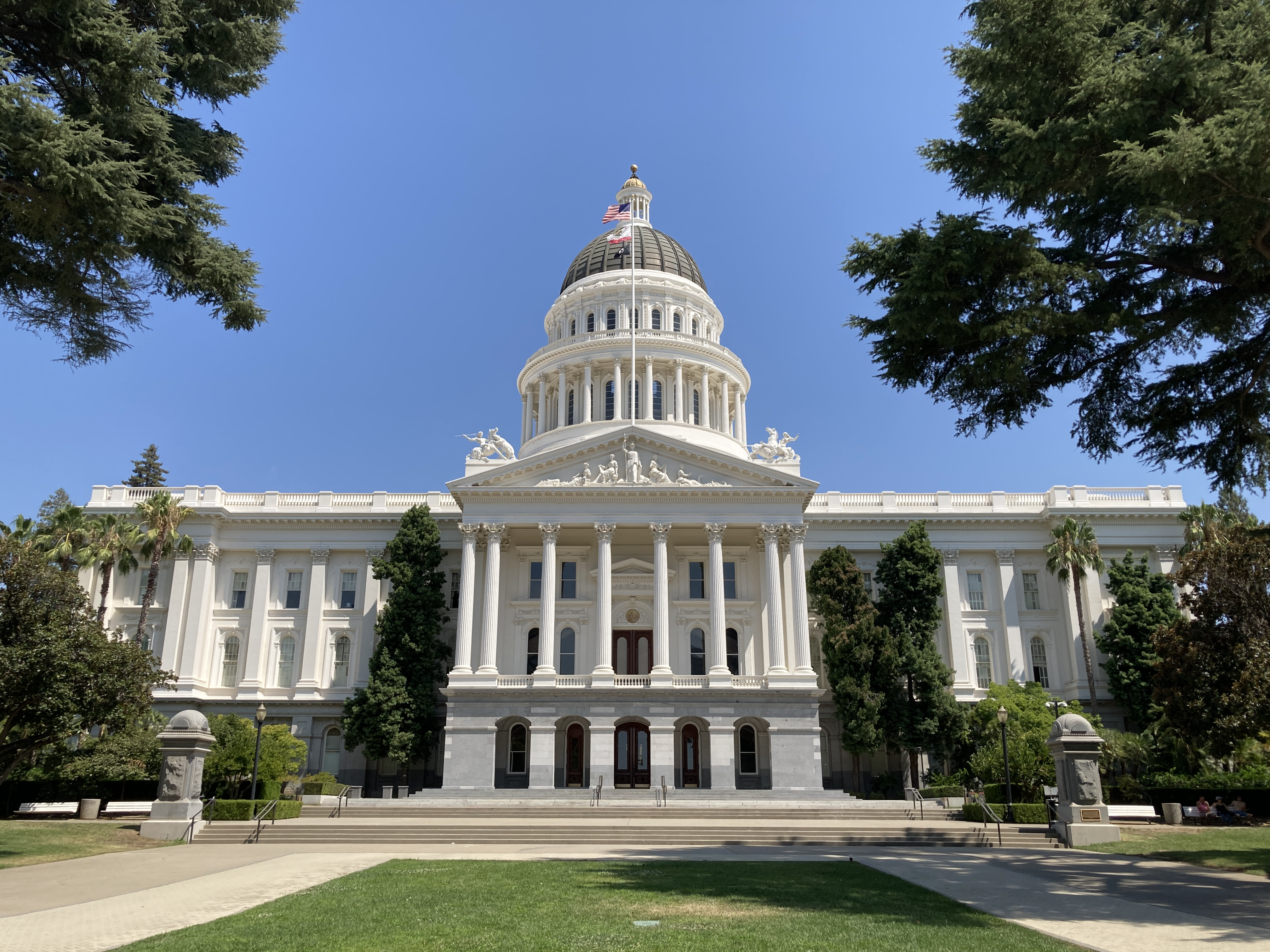
State-based secession movements are gaining popularity across the U.S. as groups call to split from the country [2].
These movements signal a deepening fracture in the American social contract. The rise in calls for independence suggests that some citizens no longer believe the federal government can address their specific regional or ideological needs.
Among the most notable efforts is the "CalExit" movement in California [1]. This movement seeks to establish the state as a sovereign entity, reflecting a broader trend of regional alienation [1]. Proponents of these splits often cite economic, social, and political grievances as the primary drivers for their desire to leave the union [2].
These sentiments have intensified within a political climate influenced by former President Donald Trump [3]. Many participants in these movements said they feel alienated by the national political direction and the resulting social instability [2].
While these movements vary in scale and organization, they share a common foundation of dissatisfaction with federal oversight. The desire for autonomy is not limited to one coast, though California remains a primary focus of current secessionist activity [1, 3].
Critics of these movements argue that such efforts are impractical and potentially illegal under the U.S. Constitution. However, the persistence of groups like CalExit indicates that political polarization continues to push some voters toward extreme solutions to resolve their grievances [1, 2].
“Secession movements are gaining popularity in the United States”
The resurgence of secessionist rhetoric indicates a shift from traditional political disagreement to a fundamental questioning of national unity. While the legal barriers to state secession are nearly insurmountable, the popularity of these movements serves as a barometer for the level of political alienation and the perceived failure of federal governance to bridge deep ideological divides.


