
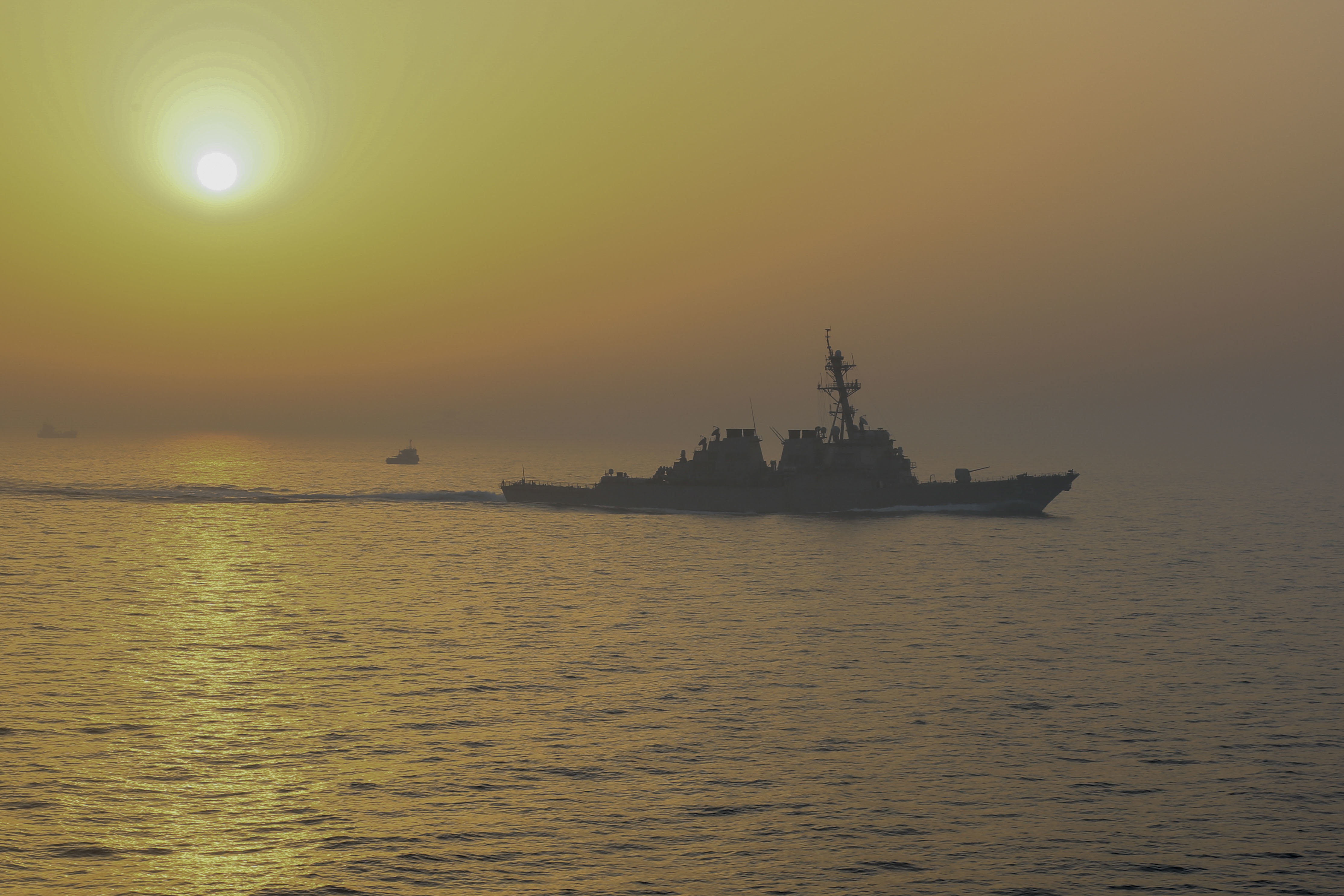
U.S. Secretary of Defense Lloyd Austin said the naval blockade of the Strait of Hormuz remains in place as of early May 2026.
The blockade controls one of the world's most critical maritime corridors. Any disruption or escalation in this region threatens global energy supplies and the stability of international trade between the Persian Gulf and the Gulf of Oman.
The U.S. operation aims to pressure Iran during ongoing diplomatic negotiations regarding a cease-fire. Officials said there is a need to protect maritime traffic following Iranian threats and the discovery of a suspected floating mine. These security concerns were highlighted in reports dated April 30, 2026 [2].
Conflicting reports have emerged regarding the current intensity of the operation. Some reports indicate that the blockade is still being actively enforced [1]. However, other accounts suggest a potential de-escalation, noting that efforts to guide stranded vessels out of the strait have been paused.
Iran has previously warned of a painful response if the U.S. renews attacks [2]. This tension persists despite efforts to establish an extended truce pending approval from the administration. An analysis of the blockade and other modern naval sieges was published on May 3, 2026 [1].
The U.S. Navy continues to monitor the corridor to prevent the movement of prohibited materials, and to ensure the safety of allied shipping. The strategic positioning of warships allows the U.S. to maintain a presence in the region while negotiators seek a diplomatic resolution to the broader conflict.
“The U.S. blockade of the Strait of Hormuz remains in place.”
The maintenance of the blockade suggests that the U.S. is utilizing maritime leverage to secure concessions during cease-fire talks. While reports of paused vessel-guidance operations hint at a tactical shift, the overall strategic posture remains aggressive to deter Iranian naval provocations in a high-traffic choke point.



