
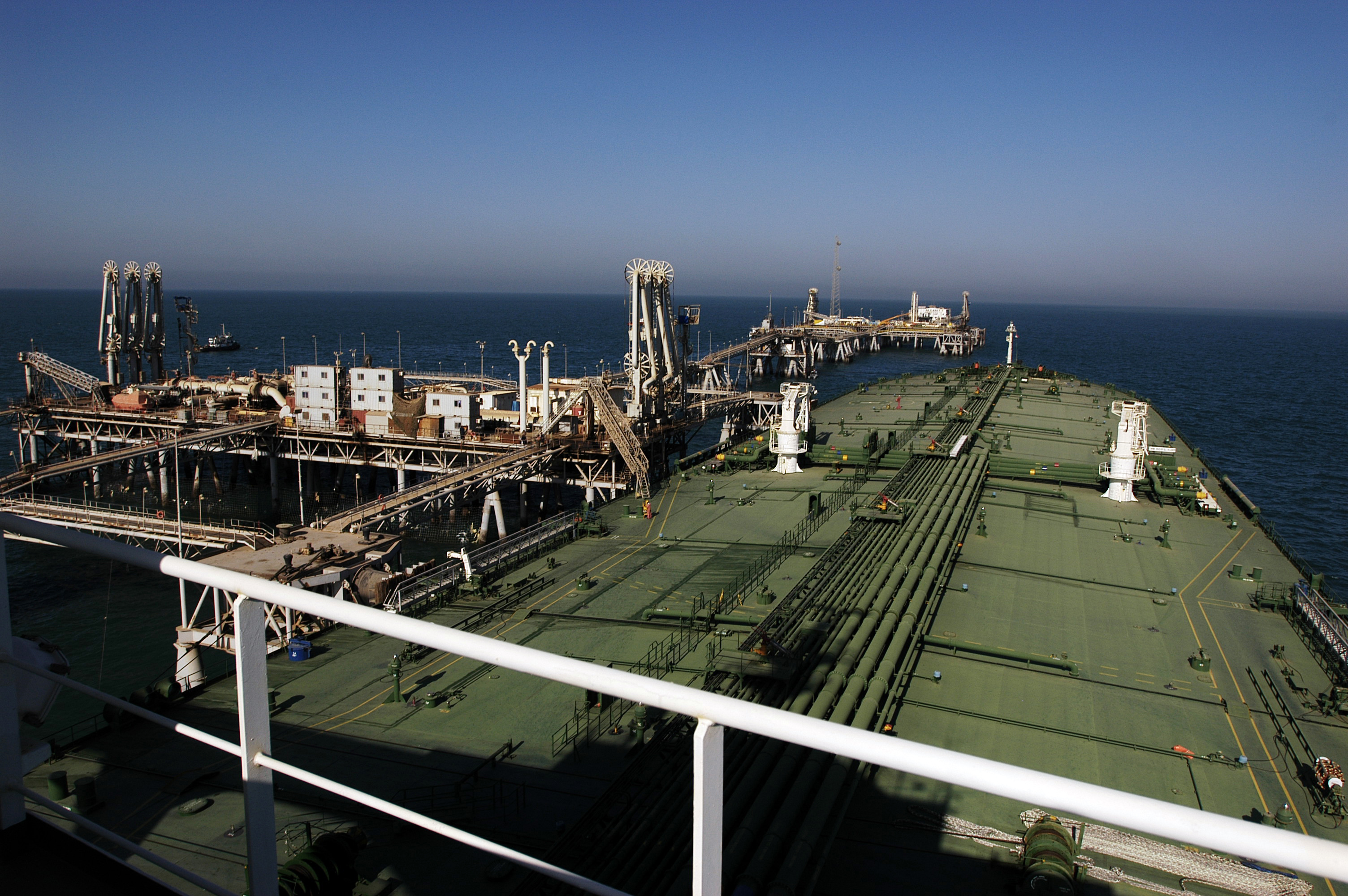
The U.S. military carried out strikes inside Iran on Tuesday, causing Brent crude futures to rise by more than two percent [1].
The escalation threatens the stability of global energy markets and casts doubt on the viability of ongoing diplomatic efforts to reach a peace deal in the Middle East.
Market reactions were immediate in Asian trade, specifically in Singapore, as traders weighed the impact of the strikes on regional security [1]. Brent crude futures crossed $80 per barrel following the conflict [2]. The price surge reflects growing investor anxiety over the potential for a prolonged closure of the Strait of Hormuz, a critical artery for global oil shipments [3].
These military actions occur amid a persistent stalemate between the U.S. and Iran. The two nations remain locked in a dispute over Iran's nuclear program, and the strategic control of the Strait of Hormuz [1, 3].
Despite the military engagement, Donald Trump said, "Negotiations with Iran are proceeding nicely" [4].
The strikes have added significant uncertainty to the diplomatic landscape. While the U.S. administration maintains a path toward negotiation, the physical reality of military strikes complicates the prospect of a lasting agreement. Market analysts are now monitoring whether the conflict will further disrupt oil exports or if diplomatic channels can stabilize the region [1, 2].
“Brent crude futures rose over 2%”
The intersection of military strikes and rising oil prices suggests a high-risk environment where geopolitical volatility can immediately trigger energy inflation. By crossing the $80 threshold, Brent crude signals that markets are pricing in a significant risk of supply disruption in the Strait of Hormuz, regardless of optimistic diplomatic rhetoric from leadership.


