The wealth gap in the U.S. is widening as the rich accumulate more assets while the poor and middle class see declines [1, 2].
This economic shift matters because it signals a systemic imbalance in how wealth is distributed across the American population. As the middle class shrinks, the stability of the broader economy may be threatened by a lack of purchasing power among average consumers.
Reports indicate that the rich are continuing to get richer while those at the bottom of the economic scale are getting poorer [1, 2]. This trend suggests that the gains of economic growth are not being shared equally across different income brackets, a phenomenon that has led to increased financial instability for millions of households.
Analysts said there is a structural divide where wealth concentration at the top creates barriers for those attempting to move up the social ladder [2]. The shrinking of the middle class is not merely a statistical dip but a reflection of a changing economic landscape in the U.S. [1].
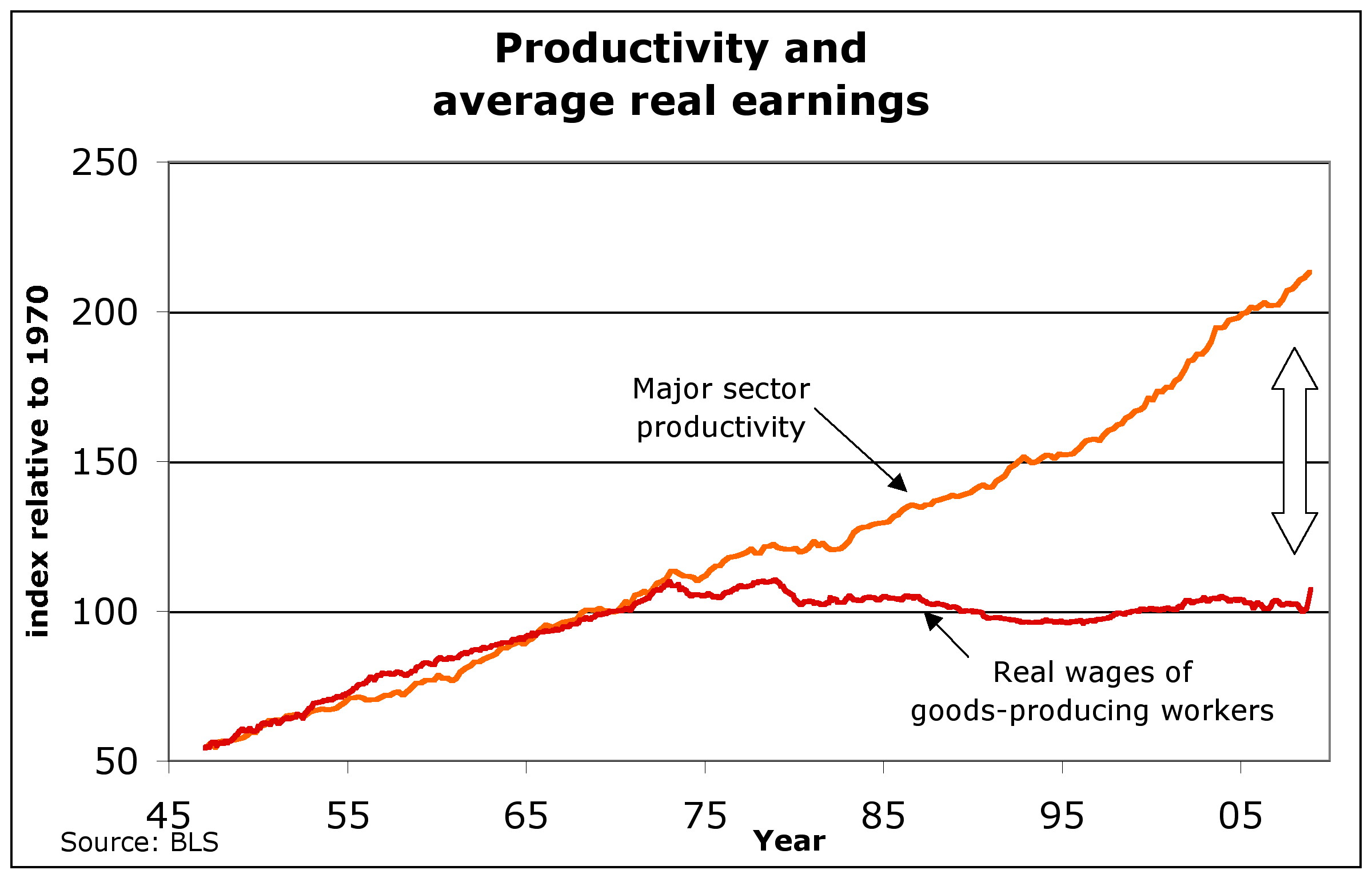
While specific numerical data on the current rate of growth was not detailed in the primary reports, the general trajectory remains one of increasing disparity [1, 2]. The divide is characterized by a cycle where the wealthiest individuals leverage existing assets to grow their fortunes, while lower-income individuals face rising costs of living without corresponding wage growth [2].
This disparity is often linked to the economic environment built by previous generations, which some said has created a costly legacy for those entering the workforce today [2]. The result is a polarized economy where the distance between the highest and lowest earners continues to expand [1].
“The wealth gap in the United States is widening”
The widening wealth gap in the U.S. suggests a transition toward a more stratified economic system. When wealth concentrates at the top, it often reduces social mobility and increases the reliance of the lower and middle classes on debt to maintain a standard of living. This trend may lead to long-term economic volatility if the consumer base—the middle class—continues to erode.