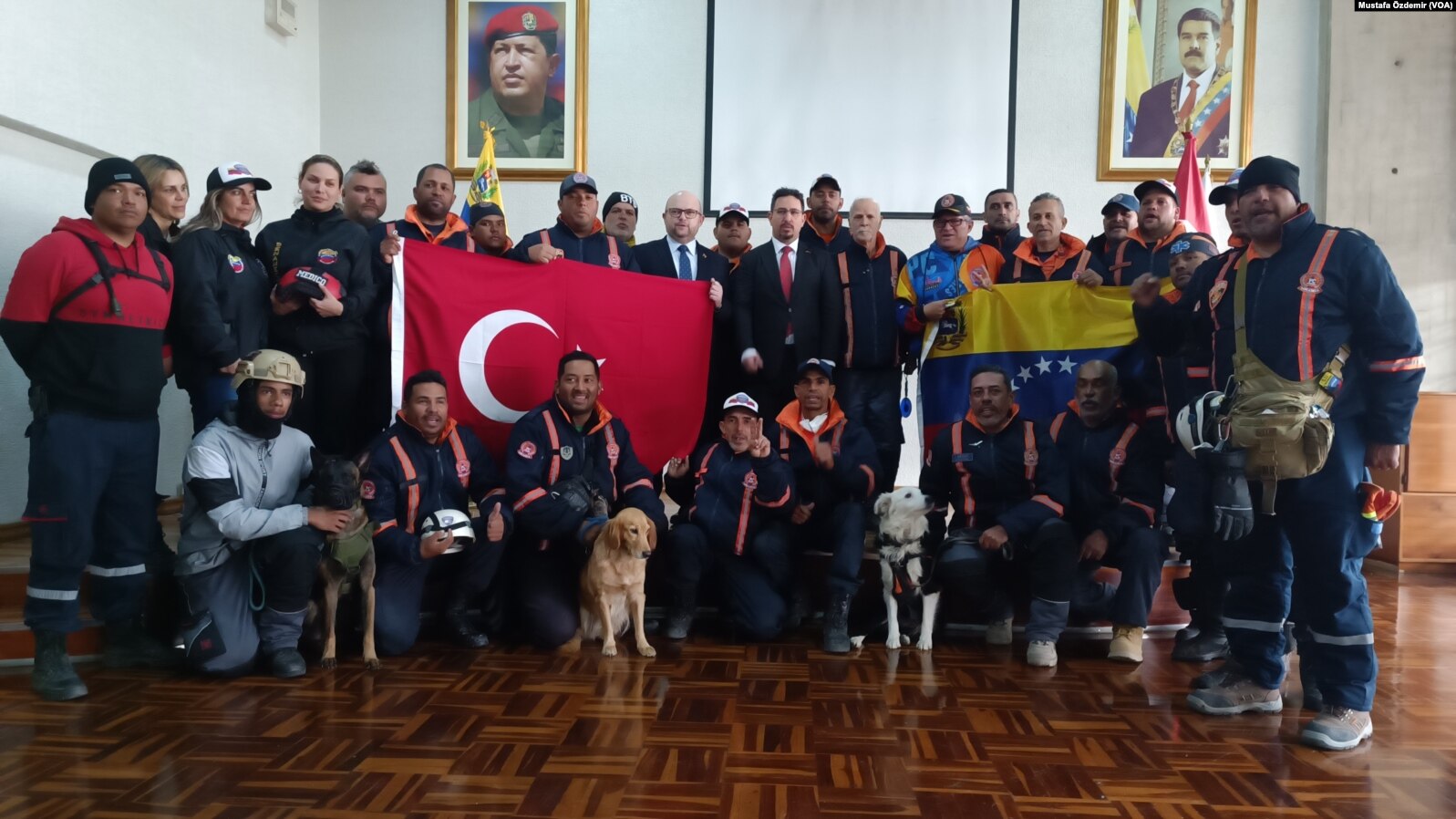
Venezuelan authorities and rescue teams have launched emergency operations after two powerful earthquakes struck near Caracas on Thursday [1].
The rapid succession of high-magnitude tremors has caused severe infrastructure damage and disrupted critical transport links in the capital region. The scale of the seismic activity threatens residential stability and complicates the delivery of emergency aid.
The first earthquake occurred at 18:04 local time, or 22:04 GMT [1]. This initial quake registered a magnitude of 7.2 [1] and was located approximately 200 km from Caracas [1] at a depth of 21.9 km [1].
Just 39 seconds later, a second, more powerful earthquake struck [1]. This second tremor measured a magnitude of 7.5 [1]. It occurred significantly closer to the capital, approximately 45 km from Caracas [1], at a shallower depth of 10 km [1].
The proximity and intensity of the second quake resulted in severe damage to the Caracas airport, which has been closed [1]. Rescue teams are currently navigating the affected areas to locate survivors and assess the extent of the destruction.
Seismic monitoring indicates that the region remains unstable. Authorities said there were about 20 aftershocks following the primary events [1]. These tremors are the result of tectonic activity along regional fault lines [1].
Emergency responders are focusing on the areas nearest to the second epicenter due to the shallower depth and closer proximity to densely populated zones. The closure of the airport further complicates the arrival of international assistance and the movement of supplies within the country [1].
“Two powerful earthquakes struck near Caracas on Thursday.”
The occurrence of two high-magnitude earthquakes within 39 seconds suggests a complex seismic trigger or a doublet event, which typically increases the risk of total structural collapse in buildings already weakened by the first shock. The closure of the capital's airport creates a critical bottleneck for disaster relief, likely forcing the government to rely on ground transport through potentially damaged road networks to move heavy rescue equipment.


