
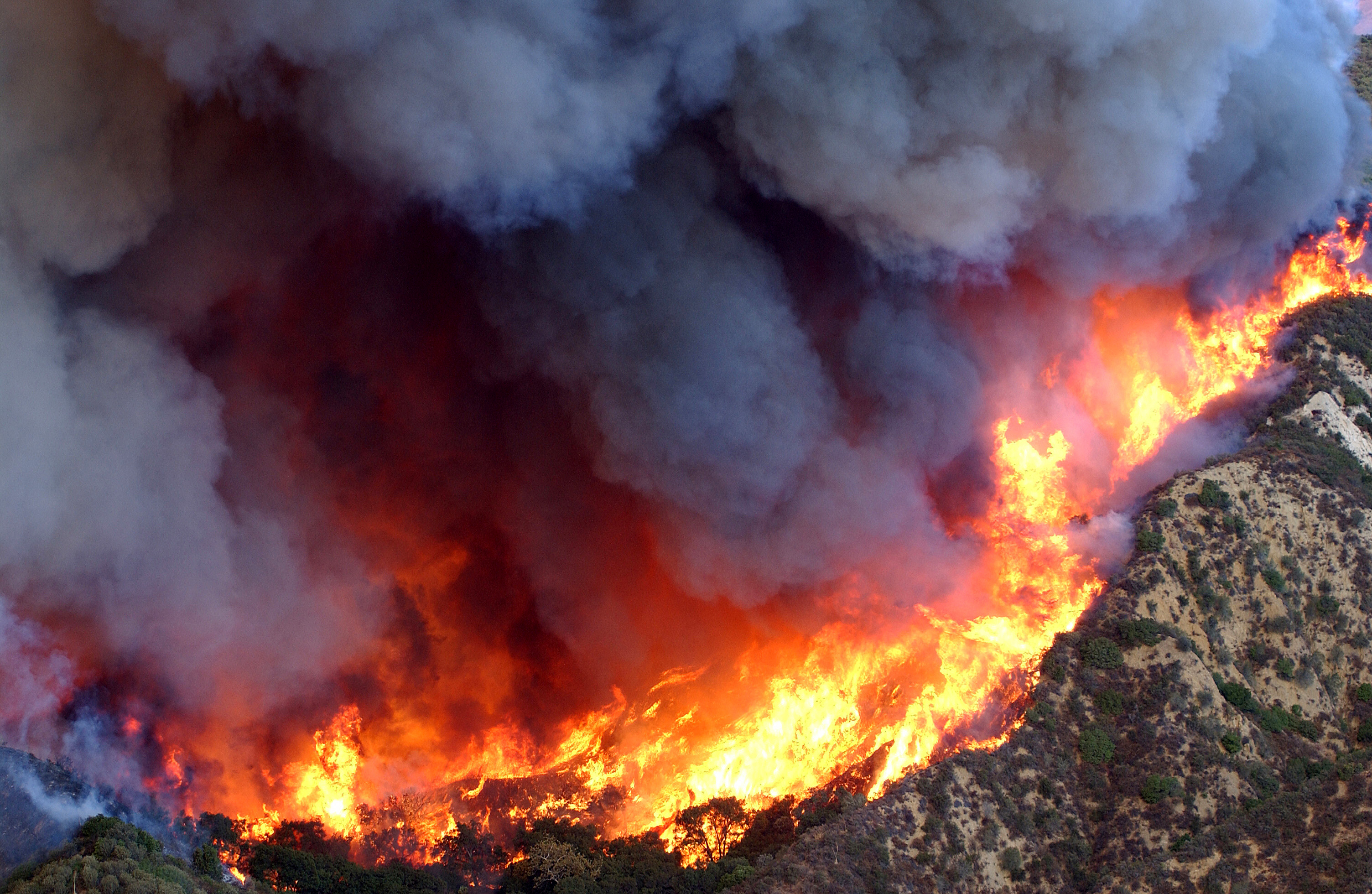
More than 40,000 residents of Ventura County, primarily in Simi Valley, were ordered to evacuate due to the rapidly spreading Sandy Fire [1].
The scale of the displacement highlights the volatility of Southern California's fire season and the immediate threat to densely populated residential areas. The blaze has forced a massive logistical effort to move citizens away from the path of the flames.
The fire ignited around 11 a.m. on Tuesday, May 19, 2026 [4]. While some reports indicated more than 17,000 people were told to leave their homes [2], other figures place the number of residents under evacuation orders at more than 40,000 [1].
Firefighting crews have been working to contain the blaze, which has reached a 15% containment level [3]. The fire's rapid growth prompted large-scale emergency responses across the region.
Investigators are looking into the origin of the blaze. Nancy Loo of NewsNation said, "The disaster may have begun when a tractor struck a rock" [5].
The incident has drawn attention to the risks associated with agricultural and landscaping equipment in dry conditions. Local authorities continue to monitor the wind patterns to prevent further expansion of the fire line.
“More than 40,000 residents of Ventura County, primarily in Simi Valley, were ordered to evacuate”
The discrepancy in evacuation numbers, ranging from 17,000 to over 40,000, suggests a rapidly evolving crisis where warning zones were likely expanded in real-time. The potential cause involving a tractor striking a rock underscores how a single mechanical spark can trigger a regional catastrophe during the peak of the California dry season.


