
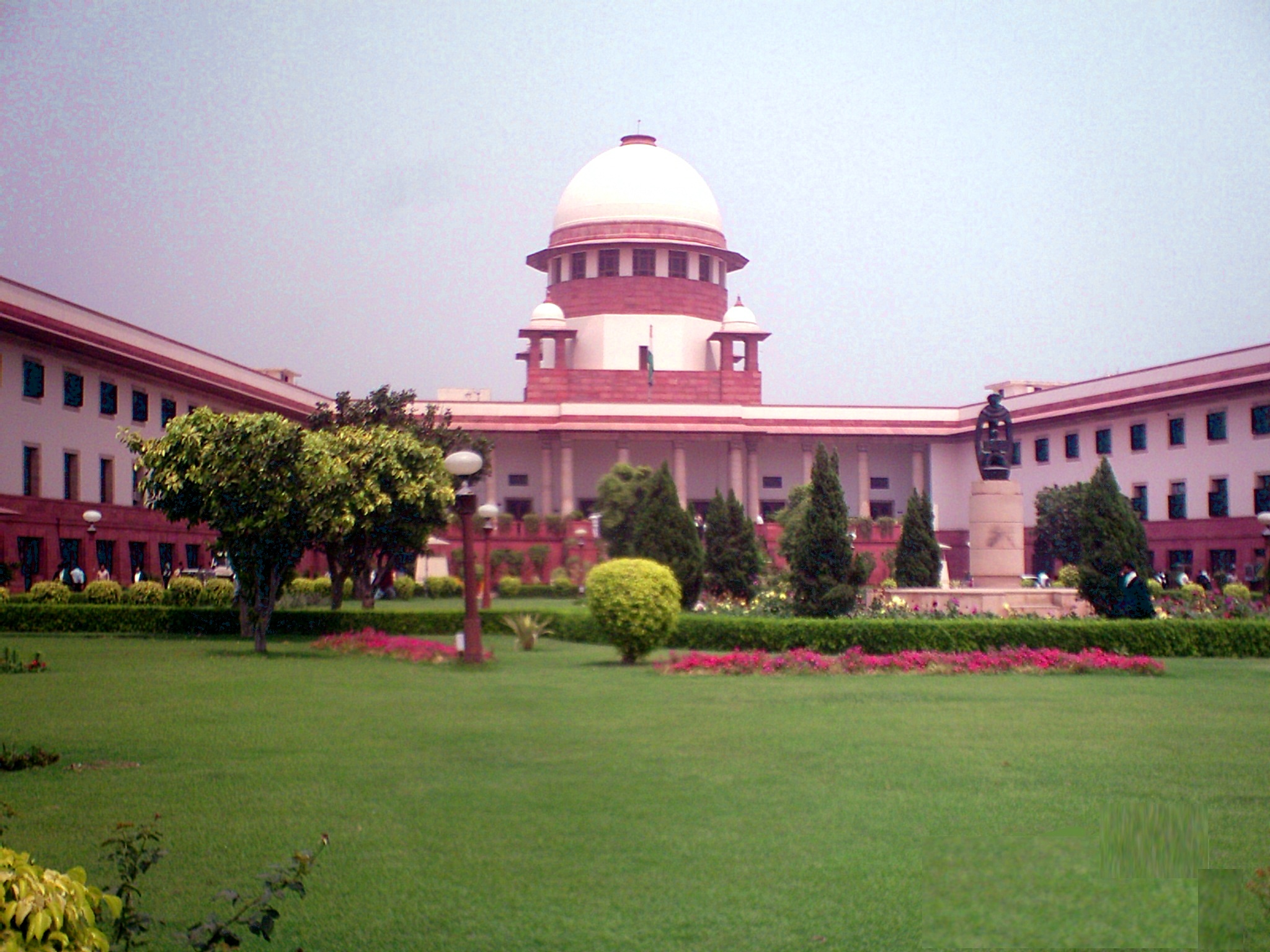
The Supreme Court of India has permitted wrestler Vinesh Phogat to participate in the selection trials for the Asian Games [1].
The ruling is significant because it resolves a legal dispute over athlete eligibility and the role of past achievements in national team selection. Phogat's ability to compete depends on the court's willingness to overlook specific procedural lapses in favor of athletic inclusion.
The court's decision follows a previous order from the Delhi High Court. That court said the Wrestling Federation of India had a policy that ignored the past achievements of athletes, describing the approach as exclusionary [1].
However, the Supreme Court took exception to the Delhi High Court's specific order while still granting Phogat the right to compete [1]. A primary point of contention involved a mandatory doping test that Phogat missed [2]. Despite this violation of protocol, the court cleared her to join the trials.
The selection trials are scheduled to take place on May 30 [2]. These trials determine which athletes will represent India at the 2026 Asian Games [3].
The legal battle highlights the ongoing tension between the Wrestling Federation of India and its top athletes regarding transparency, and selection criteria. By allowing Phogat to compete, the court ensures that one of India's most prominent wrestlers remains in contention for the 2026 games [3].
“The Supreme Court allowed Vinesh Phogat to participate in the Asian Games selection trials.”
This ruling underscores a judicial preference for merit and inclusivity over strict administrative adherence in high-stakes sports. By permitting Phogat to compete despite a missed doping test, the court is signaling that the potential loss of elite talent to procedural technicalities is a greater risk than the lapse itself. This may set a precedent for how other Indian athletes challenge federation policies regarding selection and eligibility.


'%2F%3E%0A%20%20%20%20%3Crect%20width%3D'1600'%20height%3D'900'%20fill%3D'url(%23v)'%2F%3E%0A%20%20%20%20%3Cg%20opacity%3D'0.08'%20fill%3D'%23ffffff'%3E%0A%20%20%20%20%20%20%3Ccircle%20cx%3D'1420'%20cy%3D'180'%20r%3D'220'%2F%3E%0A%20%20%20%20%20%20%3Ccircle%20cx%3D'1500'%20cy%3D'760'%20r%3D'120'%2F%3E%0A%20%20%20%20%3C%2Fg%3E%0A%20%20%20%20%3Cline%20x1%3D'80'%20y1%3D'172'%20x2%3D'220'%20y2%3D'172'%20stroke%3D'%23ffffff'%20stroke-width%3D'3'%20stroke-opacity%3D'0.6'%2F%3E%0A%20%20%20%20%3Ctext%20x%3D'80'%20y%3D'140'%20font-family%3D'Inter%2C%20-apple-system%2C%20Helvetica%2C%20sans-serif'%20font-weight%3D'700'%20font-size%3D'28'%20fill%3D'%23ffffff'%20letter-spacing%3D'6'%3EHANNA%20%C2%B7%20NEWS%3C%2Ftext%3E%0A%20%20%20%20%3Ctext%20x%3D'80'%20y%3D'230'%20font-family%3D'Inter%2C%20-apple-system%2C%20Helvetica%2C%20sans-serif'%20font-weight%3D'600'%20font-size%3D'40'%20fill%3D'%23ffffffb3'%20letter-spacing%3D'4'%3EWORLD%3C%2Ftext%3E%0A%20%20%20%20%3Ctext%20x%3D'80'%20y%3D'622'%20font-family%3D'Playfair%20Display%2C%20Georgia%2C%20serif'%20font-weight%3D'800'%20font-size%3D'86'%20fill%3D'%23ffffff'%20letter-spacing%3D'-1'%3EThousands%20Protest%20Keiko%3C%2Ftext%3E%3Ctext%20x%3D'80'%20y%3D'721'%20font-family%3D'Playfair%20Display%2C%20Georgia%2C%20serif'%20font-weight%3D'800'%20font-size%3D'86'%20fill%3D'%23ffffff'%20letter-spacing%3D'-1'%3EFujimori%20Ahead%20of%20Peru%3C%2Ftext%3E%3Ctext%20x%3D'80'%20y%3D'820'%20font-family%3D'Playfair%20Display%2C%20Georgia%2C%20serif'%20font-weight%3D'800'%20font-size%3D'86'%20fill%3D'%23ffffff'%20letter-spacing%3D'-1'%3EPresidential%20Runoff%3C%2Ftext%3E%0A%20%20%20%20%3Ctext%20x%3D'80'%20y%3D'870'%20font-family%3D'Inter%2C%20-apple-system%2C%20Helvetica%2C%20sans-serif'%20font-weight%3D'500'%20font-size%3D'22'%20fill%3D'%23ffffff66'%20letter-spacing%3D'2'%3Enews.hanna-ai.com%3C%2Ftext%3E%0A%20%20%3C%2Fsvg%3E)