
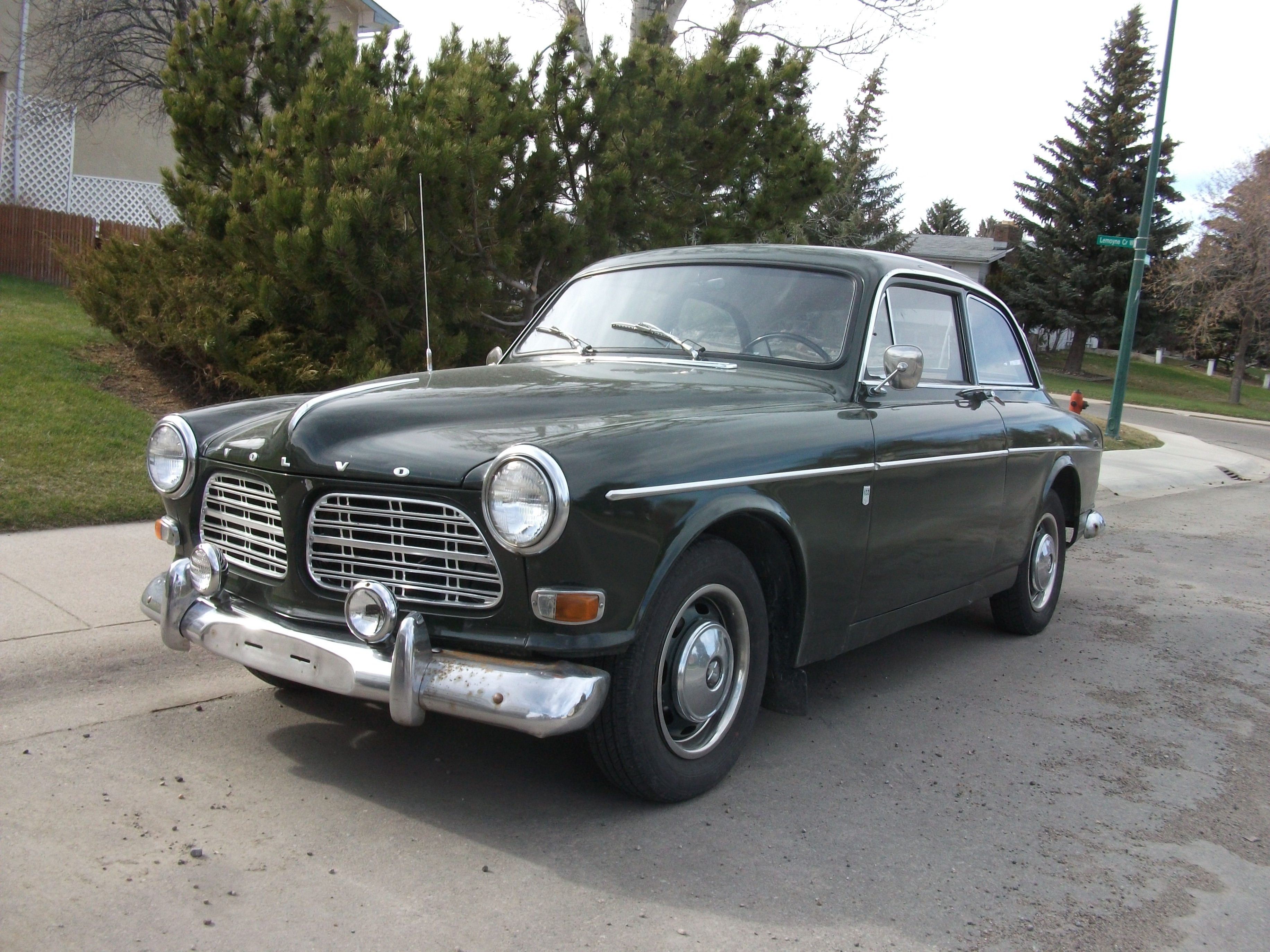
Volvo Cars President and CEO Håkan Samuelsson said the company will bring station wagons back to its lineup to meet shifting consumer demand.
This move signals a potential pivot away from the current industry dominance of SUVs. By diversifying its offerings, Volvo aims to capture a new generation of buyers who may prefer the utility of a wagon over a traditional sport utility vehicle.
Samuelsson said the return of these vehicles could happen within a window of five [2] to 10 years [3]. This timeline suggests a strategic transition as the company evaluates global market trends and buyer behavior.
"We will not only have SUVs five years from now," Samuelsson said [1].
The current market share for these vehicles remains small. Station wagons accounted for five percent of Volvo's global sales in 2025 [4]. Despite this low figure, the CEO said a generational shift in preferences will drive a resurgence in demand for the body style.
This strategy involves a complex rollout across different regions. In the U.S. market, Volvo will stop selling station wagons after 2026 [3]. However, the company intends to eventually re-introduce them globally as an alternative to the SUV-heavy landscape.
The company is positioning the wagon as a viable competitor to high-end utility vehicles. This approach allows Volvo to maintain its identity as a provider of family-oriented transport, while adapting to a market that is beginning to move beyond the SUV trend.
“"We will not only have SUVs five years from now,"”
Volvo's plan reflects a broader industry gamble on 'cycle trends' in automotive design. While SUVs have dominated the last decade, the company is betting that a combination of aesthetic fatigue and a desire for more efficient, lower-profile vehicles will create a market gap. By exiting the U.S. wagon market in 2026 only to plan a return later, Volvo is effectively resetting its product lifecycle to align with a new generation of consumers.


