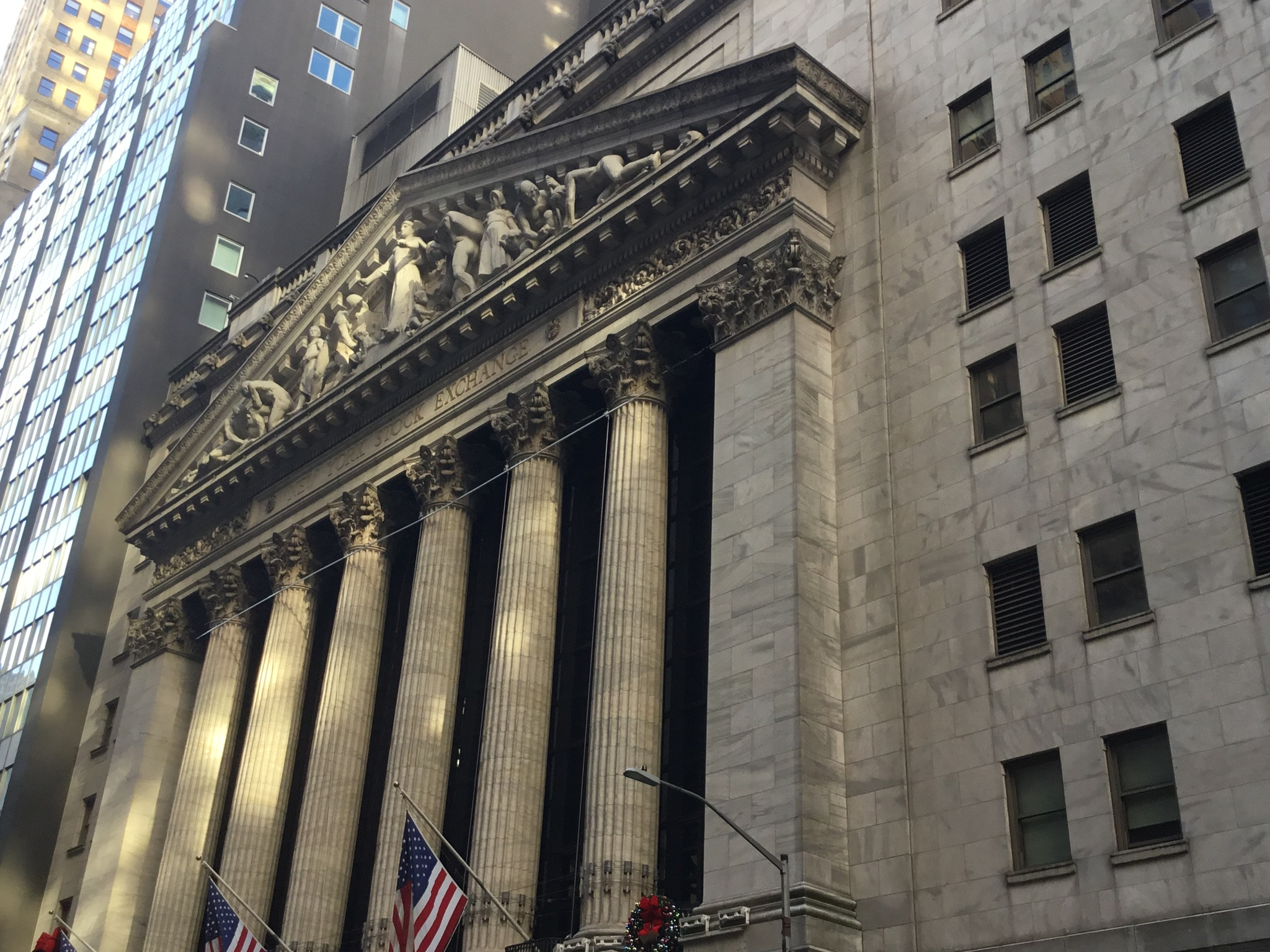
Blackstone, Anthropic, Hellman & Friedman, and Goldman Sachs are launching a $1.5 billion [1] venture to create an AI-focused consulting firm.
The investment reflects a growing belief among Wall Street firms that enterprises will require specialized guidance to navigate generative-AI transformation. By positioning the new venture as a “McKinsey of AI,” the partners intend to capture the high-end advisory market for corporate AI integration [1].
While financial giants pivot toward AI, the broader economic landscape faces significant volatility. Economist Ken Rogoff questioned the continued dominance of the U.S. dollar as a reserve currency [2]. This shift is driven by rising sovereign debt and evolving geopolitical tensions that are eroding global confidence in the currency [2].
The impact of artificial intelligence is also disrupting the digital economy. AI-powered search engines are diverting traffic away from traditional publishers, forcing media companies to rethink their revenue models as web traffic declines [2].
Beyond Earth, a new commercial frontier is emerging through a race between the United States and China to launch commercial satellites [2]. Experts said this competition could spark a massive boom in space infrastructure, mirroring previous industrial expansions.
In South America, Bolivia is actively seeking foreign capital to develop its economy [2]. The government said that an influx of international investment will provide the necessary momentum for national economic development [2].
“Wall Street firms are launching a $1.5 billion venture to create a “McKinsey of AI.””
The convergence of a massive AI consulting push and the fragility of the U.S. dollar suggests a transition toward a more fragmented global economy. As traditional financial pillars like the dollar's reserve status face pressure, institutional capital is shifting toward high-growth, technology-driven infrastructure—ranging from generative-AI corporate strategy to orbital satellite networks.


'%2F%3E%0A%20%20%20%20%3Crect%20width%3D'1600'%20height%3D'900'%20fill%3D'url(%23v)'%2F%3E%0A%20%20%20%20%3Cg%20opacity%3D'0.08'%20fill%3D'%23ffffff'%3E%0A%20%20%20%20%20%20%3Ccircle%20cx%3D'1420'%20cy%3D'180'%20r%3D'220'%2F%3E%0A%20%20%20%20%20%20%3Ccircle%20cx%3D'1500'%20cy%3D'760'%20r%3D'120'%2F%3E%0A%20%20%20%20%3C%2Fg%3E%0A%20%20%20%20%3Cline%20x1%3D'80'%20y1%3D'172'%20x2%3D'220'%20y2%3D'172'%20stroke%3D'%23ffffff'%20stroke-width%3D'3'%20stroke-opacity%3D'0.6'%2F%3E%0A%20%20%20%20%3Ctext%20x%3D'80'%20y%3D'140'%20font-family%3D'Inter%2C%20-apple-system%2C%20Helvetica%2C%20sans-serif'%20font-weight%3D'700'%20font-size%3D'28'%20fill%3D'%23ffffff'%20letter-spacing%3D'6'%3EHANNA%20%C2%B7%20NEWS%3C%2Ftext%3E%0A%20%20%20%20%3Ctext%20x%3D'80'%20y%3D'230'%20font-family%3D'Inter%2C%20-apple-system%2C%20Helvetica%2C%20sans-serif'%20font-weight%3D'600'%20font-size%3D'40'%20fill%3D'%23ffffffb3'%20letter-spacing%3D'4'%3EBUSINESS%3C%2Ftext%3E%0A%20%20%20%20%3Ctext%20x%3D'80'%20y%3D'622'%20font-family%3D'Playfair%20Display%2C%20Georgia%2C%20serif'%20font-weight%3D'800'%20font-size%3D'86'%20fill%3D'%23ffffff'%20letter-spacing%3D'-1'%3ENestle%20India%20Shares%20Hit%3C%2Ftext%3E%3Ctext%20x%3D'80'%20y%3D'721'%20font-family%3D'Playfair%20Display%2C%20Georgia%2C%20serif'%20font-weight%3D'800'%20font-size%3D'86'%20fill%3D'%23ffffff'%20letter-spacing%3D'-1'%3ERecord%20High%20After%20Strong%20Q4%3C%2Ftext%3E%3Ctext%20x%3D'80'%20y%3D'820'%20font-family%3D'Playfair%20Display%2C%20Georgia%2C%20serif'%20font-weight%3D'800'%20font-size%3D'86'%20fill%3D'%23ffffff'%20letter-spacing%3D'-1'%3EFY26%20Results%3C%2Ftext%3E%0A%20%20%20%20%3Ctext%20x%3D'80'%20y%3D'870'%20font-family%3D'Inter%2C%20-apple-system%2C%20Helvetica%2C%20sans-serif'%20font-weight%3D'500'%20font-size%3D'22'%20fill%3D'%23ffffff66'%20letter-spacing%3D'2'%3Enews.hanna-ai.com%3C%2Ftext%3E%0A%20%20%3C%2Fsvg%3E)